Personalized Learning Plans: Empowering Students to Thrive
In traditional education systems, students often find themselves in classrooms where the pace of instruction is set by the average student. However, every learner has unique strengths, weaknesses, and interests that impact their ability to absorb and retain information effectively. This is where personalized learning plans come into play.
A personalized learning plan (PLP) is an individualized approach to education that tailors instruction according to each student’s specific needs, abilities, and goals. It empowers students to take ownership of their learning journey and provides them with the necessary tools and support system to succeed.
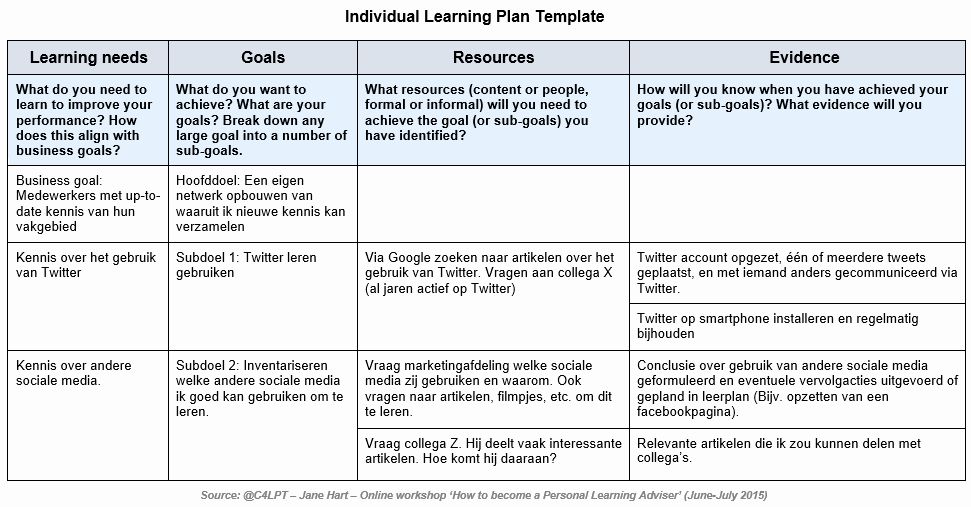
The primary goal of a PLP is to ensure that students receive an education that meets their diverse needs while fostering engagement and motivation. By customizing the curriculum based on a student’s proficiency level, interests, learning style, and pace of learning, educators can create a more meaningful educational experience for every individual.
One essential element of a PLP is competency-based progression rather than grade-level advancement. In this model, learners must demonstrate mastery in specific skills or knowledge areas before advancing further. This shift from time-based progressions ensures that students have a solid foundation before moving on to more complex concepts. Moreover, it eliminates arbitrary deadlines that might hinder some learners’ understanding.
To develop effective personalized learning plans for students, teachers employ various strategies:
1. Assessing Individual Needs: Before designing a PLP for each student, educators conduct comprehensive assessments to identify their strengths and areas requiring improvement. These assessments may include standardized tests as well as interviews or surveys about personal interests and preferences.
2. Setting Goals: Once strengths and areas for growth are identified through assessment results analysis, teachers work collaboratively with students to set realistic short-term and long-term goals aligned with their aspirations.
3. Creating Individualized Pathways: Based on the assessment data gathered from each student along with their goals in mind; educators design customized pathways outlining the learning objectives, resources, and activities that will help students reach their goals.
4. Utilizing Technology: Personalized learning plans often leverage technology to enhance student engagement and provide access to a vast array of resources. Online platforms, educational apps, and virtual tools enable learners to access materials tailored specifically for them while providing immediate feedback on their progress.
5. Regular Monitoring and Adjustments: Continuous monitoring of student performance is integral to PLPs. Regular assessments ensure that students are on track to meet their goals and allow educators to make necessary adjustments if needed.
6. Encouraging Student Agency: One of the primary benefits of personalized learning plans is fostering student agency—the ability for learners to take an active role in their education. By allowing students more autonomy over what they learn, how they learn it, and when they demonstrate mastery, educators empower them as independent thinkers and self-directed learners.
The implementation of personalized learning plans offers several advantages:
1. Tailored Learning Experience: PLPs recognize that not all students learn at the same pace or in the same way. By catering instruction based on individual needs, students receive a more personalized educational experience that meets them where they are academically.
2. Increased Engagement: When students have a sense of ownership over their learning journey, they become more engaged with the material being taught. This heightened engagement leads to improved motivation and a deeper understanding of concepts.
3. Flexibility in Learning Styles: PLPs accommodate various learning styles by offering multiple pathways for acquiring knowledge or mastering skills. Visual learners may benefit from videos or infographics, auditory learners from podcasts or lectures, while kinesthetic learners engage best through hands-on activities.
4. Preparation for Real-World Challenges: Personalized learning plans emphasize critical thinking skills, problem-solving abilities, collaboration techniques, and self-reflection—skills that are essential for success beyond academics in today’s rapidly evolving world.
However beneficial personalized learning plans can be; there are also potential challenges to consider:
1. Resource Allocation: Implementing PLPs often requires additional resources, such as technology tools and training for educators. Ensuring equitable access to these resources can be a challenge, especially in underfunded schools or districts.
2. Teacher Training: Educators need support and training to effectively implement personalized learning plans in their classrooms. This professional development is crucial for teachers to understand the principles of personalized learning, how to use technology tools, and adapt instruction accordingly.
3. Individualized Attention: While personalized learning plans aim to address individual needs, providing one-on-one attention to every student can be challenging in large classrooms with limited teaching staff.
4. Monitoring Progress: Regular monitoring of student progress is essential for the success of PLPs; however, it requires additional time and effort from educators who already have numerous responsibilities within their classroom.
Despite these challenges, personalized learning plans hold immense potential for transforming education into a more inclusive and student-centric experience. By embracing this approach, we can empower students with the skills they need not only to succeed academically but also thrive in an ever-changing world where adaptability and critical thinking reign supreme.
 Alternative Amie
Leave a comment