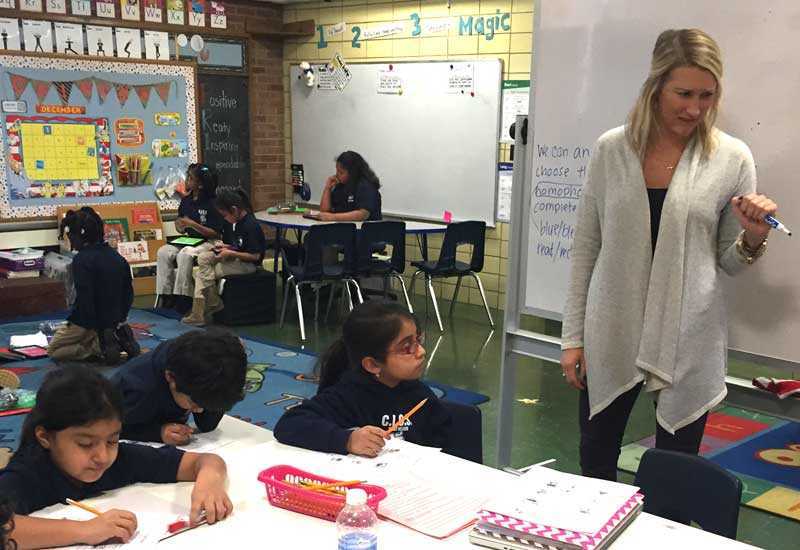
Multiage classrooms are a unique and effective approach to education that can be particularly beneficial in island communities. In these settings, students of different ages and grade levels learn together in one classroom instead of being segregated based on their age. This educational model offers numerous advantages for both the students and the community as a whole.
One of the key benefits of multiage classrooms is that they foster a sense of community and cooperation among students. Since children from different age groups interact with each other daily, they develop strong relationships, empathy, and mutual respect. Older students often become mentors or role models for younger ones, providing guidance and support. This collaborative environment nurtures social-emotional skills, communication abilities, teamwork, and leadership qualities in all participants.
Moreover, multiage classrooms allow for personalized learning experiences tailored to each student’s individual needs. Teachers have the flexibility to provide instruction at various levels within one classroom setting. Advanced learners can be challenged with more complex tasks while struggling students receive targeted assistance without feeling singled out or stigmatized by being placed in lower-level classes.
The diversity inherent in multiage classrooms also encourages critical thinking skills as students encounter varying perspectives on topics discussed. They learn to appreciate differences and understand that there can be multiple valid viewpoints on any given subject. This helps cultivate open-mindedness and prepares them to thrive in an increasingly diverse world.
Island communities often face unique challenges when it comes to education due to limited resources such as teachers or facilities. Multiage classrooms offer a practical solution by enabling schools to make the most efficient use of available resources while maintaining high-quality education standards. With fewer grade-specific classes required, smaller island schools can operate more effectively even with limited staff numbers.
Furthermore, multiage classrooms promote self-directed learning skills as students take greater ownership over their education journey. They become active participants rather than passive recipients of knowledge since they have more control over their pace of learning and choice of activities based on their interests.
In island communities, multiage classrooms can also foster a sense of resilience and self-sufficiency. As students learn alongside peers from different age groups, they become more adaptable and accustomed to working with diverse individuals. This prepares them for the challenges of living on an island where resources may be limited, and self-reliance is essential.
While multiage classrooms offer numerous benefits, it’s important to acknowledge that implementing this educational model requires careful planning and support from educators, parents, and the community. Training for teachers in differentiated instruction strategies becomes crucial for effective classroom management and appropriate curriculum development.
In conclusion, multiage classrooms hold immense potential for island communities seeking innovative educational approaches. With their emphasis on community building, personalized learning experiences, critical thinking skills development, resource optimization, fostering resilience and self-sufficiency among students – these classrooms create an environment that nurtures well-rounded individuals prepared to face the challenges of both education and life in an island setting.
 Alternative Amie
Leave a comment