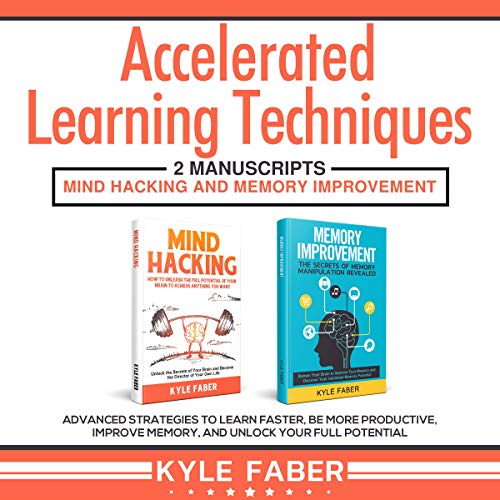
Accelerated learning is a method of learning that emphasizes the accelerated acquisition of knowledge and skills. It involves several techniques and strategies that help learners to learn faster, retain more information, and develop critical thinking skills.
One technique used in accelerated learning is speed reading. This technique enables learners to read quickly and efficiently by eliminating subvocalization, improving eye movements, reducing distractions, and using other reading strategies. Speed reading allows learners to cover more ground in less time while retaining the same level of comprehension as traditional reading methods.
Memory palaces and mnemonics are also common in accelerated learning. These techniques help learners remember large amounts of information by creating visual associations between new information and familiar concepts. Memory palaces use spatial memory to store information in specific locations while mnemonics use acronyms or phrases to remember a sequence of events or ideas.
Mind mapping is another strategy used in accelerated learning that helps learners organize their thoughts visually. By creating mind maps, learners can see how different ideas relate to each other, making it easier for them to understand complex concepts.
Learning through play is also an effective way for individuals to improve their retention rate when acquiring new knowledge or honing their skills. Gamification makes education fun which encourages people’s engagement with the material they’re studying; this improves understanding retention while reducing boredom.
Technology has revolutionized the way we learn today supported by e-Learning platforms specially designed for online education worldwide: these support various study modes including video tutorials, interactive games & quizzes among others – all aimed at increasing student motivation when studying technical subjects like mathematics or science where students may face difficulties mastering via conventional classroom teaching methods alone.
Other techniques include improving focus/concentration levels through mindfulness practices such as meditation which helps regulate breathing patterns leading towards better mental clarity during classwork hours; multisensory exercises involved hands-on activities that involve sound/touch/smell/taste senses simultaneously engaging both hemispheres of our brains leading towards faster comprehension & memory retention.
Collaborative learning is another effective strategy used in accelerated learning. It involves working with other learners to solve problems, share ideas, and discuss different concepts. Collaborative learning helps learners develop critical thinking skills and improves their ability to communicate effectively.
In conclusion, there are many techniques and strategies for accelerated learning that can help individuals learn faster and retain more information. These methods include speed reading, memory palaces/mnemonics, mind mapping, gamification of education, technology integration e-Learning platforms among others; all aimed at improving student motivation during class hours which leads towards better academic performance overall.
 Alternative Amie
Leave a comment