Mastery-Based Grading: Empowering Students to Learn and Succeed
In traditional education systems, grades have always been a source of anxiety and stress for students. They often focus on achieving high marks rather than truly understanding the material. However, mastery-based grading offers a refreshing alternative that prioritizes learning and personal growth over arbitrary letter grades.
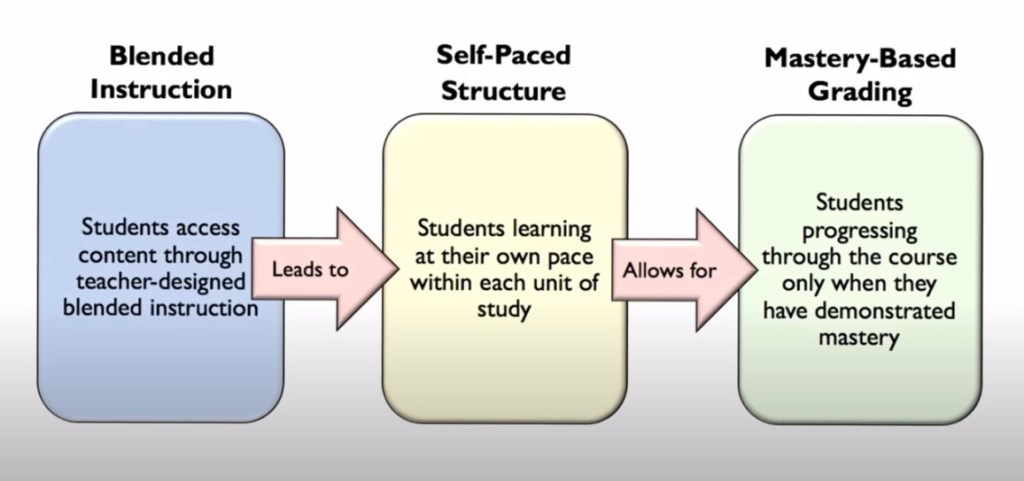
Mastery-based grading is an approach that assesses students based on their level of mastery in specific skills or content areas. Instead of receiving a single grade for an assignment or test, students are given multiple opportunities to demonstrate their understanding until they reach proficiency. This shift from a fixed mindset to a growth mindset not only transforms how we evaluate student progress but also revolutionizes the entire learning experience.
1. Fostering Deeper Understanding
One of the primary benefits of mastery-based grading is its ability to promote deeper understanding among students. Rather than simply memorizing facts or formulas, learners are encouraged to explore concepts in-depth and apply them in various contexts. By focusing on mastering essential skills instead of chasing grades, students develop critical thinking abilities and become lifelong learners.
2. Personalized Learning
Every student has unique strengths, weaknesses, and learning styles. Mastery-based grading allows educators to tailor instruction according to individual needs by providing targeted feedback and additional support where necessary. It ensures that no student falls behind while challenging advanced learners with more complex tasks or projects.
3. Reducing Stress and Anxiety
Traditional grading systems often lead to undue stress among students as they constantly worry about earning high scores rather than concentrating on acquiring knowledge itself. With mastery-based grading, the pressure associated with exams decreases significantly since it emphasizes progress over perfectionism. Students can learn at their own pace without fearing failure or judgment from peers.
4. Encouraging Growth Mindset
Adopting mastery-based grading encourages the development of a growth mindset within both teachers and students alike – the belief that intelligence can be developed through effort and practice. Students understand that making mistakes is an integral part of the learning process and that setbacks are opportunities for growth. This mindset shift fosters resilience, perseverance, and a love for learning.
5. Increased Engagement
When students know they will have multiple chances to demonstrate mastery, their engagement with the material naturally increases. They become more motivated to understand concepts thoroughly rather than just memorizing information for exams. This active participation not only improves academic performance but also nurtures curiosity and a genuine enthusiasm for learning.
6. Authentic Assessment
Mastery-based grading promotes authentic assessment methods such as project-based learning, portfolios, presentations, or real-world applications of knowledge. These assessments go beyond simple regurgitation of facts and encourage students to apply their understanding in practical ways. By evaluating skills relevant to real-life scenarios, mastery-based grading prepares students for success beyond the classroom walls.
7. Collaboration and Peer Learning
In traditional grading systems focused on competition, collaboration among students often takes a backseat. Mastery-based grading emphasizes cooperation and peer learning by fostering an environment where students support each other’s growth instead of viewing classmates as rivals in achieving high grades. Collaborative projects allow students to learn from one another’s strengths while developing essential teamwork skills.
8. Lifelong Learning Skills
Perhaps the most significant advantage of mastery-based grading lies in its ability to cultivate lifelong learning skills within students – skills that extend far beyond any specific subject matter or grade level. It equips learners with critical thinking abilities, problem-solving techniques, communication proficiency, self-reflection capabilities, adaptability in diverse contexts, and a passion for continuous improvement – all qualities necessary for success in higher education and future careers.
In conclusion, mastery-based grading offers numerous benefits over traditional letter-grade systems by shifting the focus from achievement-oriented goals to holistic student growth and understanding. It empowers learners with personalized instruction tailored to their needs while reducing stress levels associated with test-focused evaluations. Furthermore, it fosters a growth mindset, increases engagement, and encourages collaboration among students. By preparing learners for real-world challenges and nurturing lifelong learning skills, mastery-based grading paves the way for a more effective and student-centered education system.
 Alternative Amie
Leave a comment