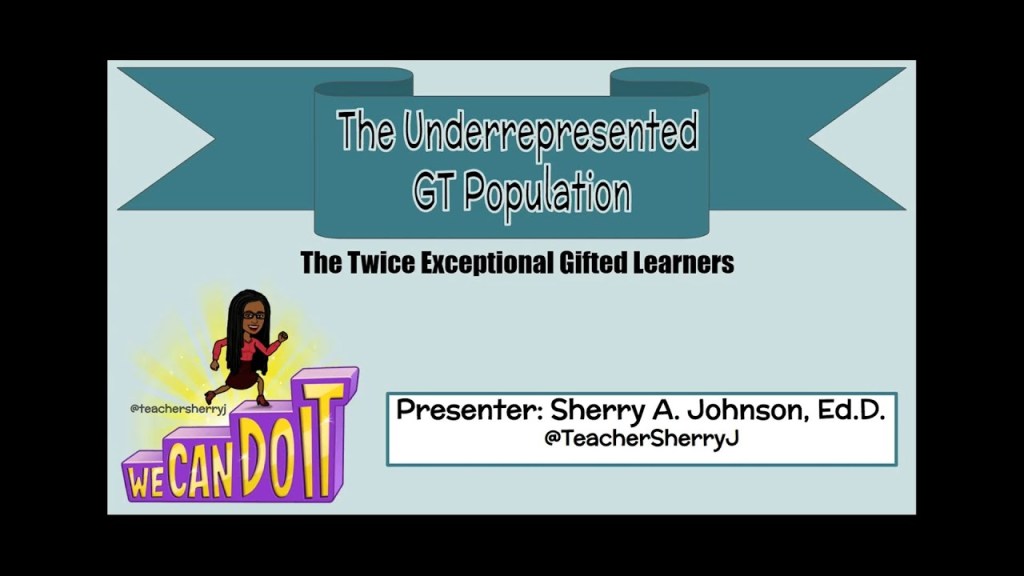
Twice-exceptional learners, also known as 2e students, are individuals who possess both exceptional abilities and disabilities. These students may have high intellectual abilities but struggle with a learning disability or attention deficit hyperactivity disorder (ADHD), making it difficult for them to reach their full potential.
While the concept of 2e learners is not new, there has been a recent push for greater recognition and support for these students within the education system. In many cases, these students may go unidentified or misunderstood due to their complex needs.
One important step in supporting 2e learners is early identification. Teachers and parents should be aware of the signs of giftedness as well as common learning disabilities or ADHD symptoms. It’s important to note that not all 2e students will exhibit clear behavioral indicators; some may mask their struggles out of fear of being labeled as “different.”
Once identified, appropriate accommodations can be made to ensure that these students receive the support they need to succeed academically and socially. This might include individualized education plans (IEPs) or 504 plans that outline specific accommodations such as extended time on tests or preferential seating arrangements.
It’s also important for educators to recognize that a one-size-fits-all approach may not work for 2e learners. These students require individualized attention and instruction tailored specifically to their unique strengths and challenges.
In addition to academic support, social-emotional interventions are often necessary for 2e learners. Many experience feelings of isolation or frustration due to discrepancies between their abilities and performance levels. Providing opportunities for peer interaction through clubs or extracurricular activities can help alleviate some of these feelings.
Gifted education in rural areas presents its own set of challenges. Limited resources and geographic isolation can make it difficult for schools in rural communities to provide adequate programming for gifted students.
However, there are still steps that can be taken towards providing quality gifted education in rural areas. One approach is to establish partnerships with nearby universities or larger school districts. These partnerships can provide access to resources and expertise that may not be available locally.
Additionally, technology can play a vital role in providing gifted education opportunities for rural students. Online courses and virtual classrooms can connect students with teachers and peers from around the world, exposing them to new ideas and perspectives.
Culturally responsive teaching is another area of focus when it comes to gifted education. It’s important for educators to recognize the unique cultural backgrounds of their students and tailor instruction accordingly.
For example, some cultures place greater emphasis on collaboration than individual achievement. In these cases, group projects may be more effective than traditional solo assignments. Similarly, incorporating culturally relevant literature or history into lessons can help engage gifted students who might otherwise find the material uninteresting.
Homeschooling gifted children is an option that many families choose due to concerns about the adequacy of local schools’ programming for advanced learners. However, it’s important for parents considering homeschooling to carefully consider whether they have the time, resources, and knowledge necessary to provide a quality education for their child at home.
There are also online programs specifically designed for homeschooling gifted children that offer structure and support while still allowing for flexibility in scheduling.
Gifted education for low-income families presents its own set of challenges as well. Limited financial resources may make it difficult for families to provide enrichment activities or access specialized programs outside of school hours.
One solution is increased funding towards public schools’ gifted education programs so that all students have access regardless of socio-economic status. Additionally, scholarships or grants could be made available specifically for low-income families looking to enroll their children in summer camps or other enrichment activities related to their interests.
The social-emotional needs of gifted students cannot be overlooked either. Many struggle with perfectionism or feelings of isolation due to being “different” from their peers academically.
Creating opportunities for interaction with like-minded peers through clubs or extracurricular activities can help alleviate these feelings. Educators and parents should also encourage a growth mindset, emphasizing the importance of effort and progress over innate abilities.
Gifted education for English language learners is another area that requires specialized attention. These students may have exceptional abilities but struggle with language barriers that make it difficult to demonstrate their knowledge.
One approach is to provide instruction in both the student’s native language as well as English. Additionally, incorporating visual aids or hands-on activities can help bridge the gap between what a student knows and their ability to express it verbally.
Differentiated instruction is an important strategy for meeting the needs of gifted learners. This involves tailoring instruction based on individual strengths and weaknesses rather than relying on a one-size-fits-all approach.
For example, a teacher might assign different reading materials based on each student’s reading level rather than assigning everyone the same book. Similarly, providing opportunities for choice in assignments or projects allows students to pursue topics they are passionate about while still meeting academic standards.
Creativity and innovation are key components of effective gifted education programming. Encouraging students to think outside the box and take risks in their learning can lead to breakthroughs and discoveries that benefit society as a whole.
Acceleration strategies such as early entrance into college courses or grade skipping can be effective approaches for advanced learners who need greater intellectual challenge than traditional classroom settings offer.
However, it’s important that acceleration strategies be implemented carefully with consideration given to social-emotional factors such as peer relationships and overall development.
Underachievement among gifted students is another concern within the field of gifted education. Some gifted students may become disengaged from academics due to lack of challenge or feeling misunderstood by teachers who don’t recognize their unique needs.
Preventing underachievement requires ongoing assessment of each student’s progress and appropriately challenging them academically while also providing support for any social-emotional struggles they may face related to their advanced abilities.
Talent development programs offer opportunities for gifted learners to pursue their interests and passions outside of the traditional classroom setting. These might include summer camps or after-school programs focused on STEM fields, music, art, or other areas where a child has shown exceptional talent.
Gifted education in charter schools is another option for families looking for specialized programming. Charter schools are publicly funded but operate independently from local school districts, allowing for greater flexibility in curriculum and instruction.
Dual enrollment opportunities for high school students allow them to earn college credit while still in high school. This can be especially beneficial for gifted students who have already exhausted the academic offerings at their local high school.
The role of technology in gifted education cannot be overlooked either. Online courses and virtual classrooms allow students to connect with peers and teachers from around the world, exposing them to new ideas and perspectives they may not encounter locally.
Finally, gender differences in giftedness should also be considered when developing programming for advanced learners. Research suggests that boys are more likely than girls to be identified as gifted due to cultural biases towards traits associated with masculinity such as assertiveness or risk-taking.
It’s important for educators and parents alike to recognize that giftedness comes in many forms regardless of gender identity or expression.
In conclusion, there are many different approaches that can be taken towards providing quality programming and support for advanced learners across diverse populations. By recognizing the unique needs of each individual student and offering tailored interventions accordingly, we can help ensure that all children have access to an education that fulfills their potential.
 Alternative Amie
Leave a comment