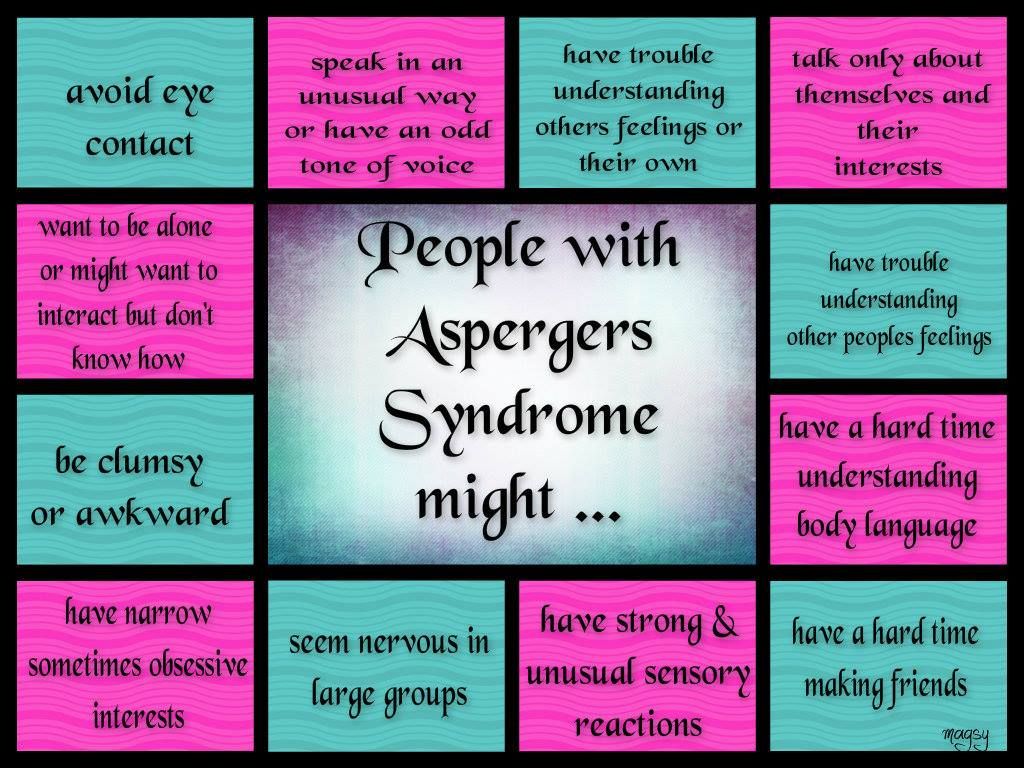
Asperger’s Syndrome, also known as Asperger’s Disorder or simply AS, is a neurodevelopmental disorder that falls under the umbrella of Autism Spectrum Disorders (ASD). It was first identified by Austrian pediatrician Hans Asperger in 1944 and is characterized by difficulties in social interaction and communication, as well as restricted and repetitive patterns of behavior.
One of the most distinct features of individuals with AS is their difficulties in understanding nonverbal cues such as facial expressions, tone of voice, and body language. This can lead to misunderstandings during social interactions which can be challenging for them. Often they may experience difficulty recognizing sarcasm or irony and may take things literally.
Another common trait among those with AS is an intense interest in specific topics or activities. They may spend hours researching or exploring a particular subject matter like history or science fiction. These interests often become all-consuming passions which provide comfort for people with AS.
Individuals with AS tend to prefer predictability in their day-to-day routines. A change in routine can cause significant distress leading to anxiety and frustration. Hence it’s important to prepare them beforehand if there are any changes planned so they have time to adjust.
It’s essential to note that not all individuals on the autism spectrum exhibit the same behaviors nor do they share identical symptoms- each individual has a unique set of characteristics that should be understood while interacting with them.
While those diagnosed with AS don’t typically suffer from intellectual disability, they frequently face challenges when processing information quickly especially when dealing with abstract concepts or figurative language like idioms or metaphors.
In some cases, individuals who have been diagnosed later on in life would have struggled throughout their childhood without knowing why – feeling isolated from peers due to differences that were never explained medically at the time.
Early diagnosis plays a crucial role in helping children receive interventions tailored specifically towards their unique needs since early intervention helps improve communication skills and manage behavioral issues. Hence, it is important for parents and educators to be vigilant about any signs or symptoms that are observed in children.
There’s no cure for AS, but a range of interventions can help individuals manage their condition effectively. Therapies like cognitive-behavioral therapy (CBT) or social skills training have been proven to be effective in helping those with AS improve their communication and social interactions with peers.
Alternative schooling options such as Montessori schools offer opportunities to explore areas of interest at one’s pace without the pressure of meeting typical learning milestones.
Inclusive classrooms are another option; they allow students diagnosed with AS to learn alongside neurotypical students while providing support through Individualized Education Plans tailored towards individual needs.
Finally, creating awareness around Asperger’s Syndrome helps reduce stigma by increasing an understanding of people on the autism spectrum and enhancing empathy within society. By being aware of what makes each person unique we can create environments that foster inclusion and understanding.
 Alternative Amie
Leave a comment