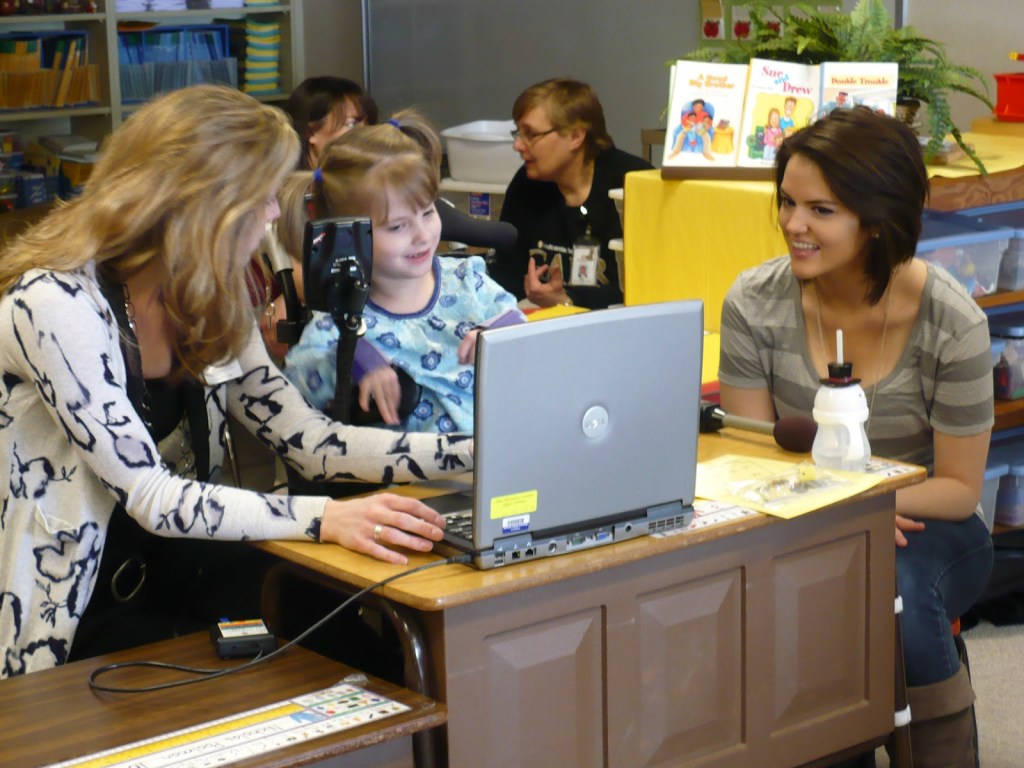
In recent years, the use of adaptive technology has become increasingly common in schools and educational institutions. This technology is designed to help students with disabilities or learning challenges by providing them with personalized learning experiences that cater to their individual needs.
At first glance, adaptive technology seems like a godsend for struggling learners. With its promise of customized lessons and real-time feedback, it’s easy to see why educators are jumping on the bandwagon. But as with any new technology, there are always downsides to consider.
One major concern is the potential for over-reliance on adaptive technology. While these tools can certainly be helpful in certain situations, they should never replace human teachers entirely. Students still need face-to-face interaction with their instructors in order to develop important social skills and receive emotional support.
Another issue is the cost of implementing this type of technology. Adaptive software can be expensive, which means that only well-funded schools are likely to have access to it. This creates an uneven playing field where some students receive a higher quality education simply because they attend a school that can afford better resources.
Furthermore, there’s no guarantee that adaptive technology will actually improve student outcomes in the long run. While it may seem like a quick fix for struggling learners, there’s no substitute for hard work and dedication when it comes to mastering difficult subjects.
There’s also the question of how much control students have over their own learning experience when using adaptive software. Some critics argue that these programs limit creativity and critical thinking by guiding students too closely through each lesson.
Despite these concerns, many educators remain hopeful about the potential benefits of adaptive technology – particularly when used in conjunction with traditional teaching methods rather than as a replacement for them.
By combining personalized online instruction with hands-on activities led by human teachers, schools may be able to create more engaging and effective learning environments overall. Additionally, some proponents argue that adaptive software could free up teachers’ time so they can focus more on individualized instruction rather than lecturing to large groups.
Of course, like any new technology, there are bound to be kinks that need to be worked out before adaptive software becomes mainstream. For example, some programs may not accurately assess students’ abilities or give them appropriate feedback based on their responses.
Additionally, there’s the risk of data breaches or other security issues if personal student information is stored online. It’s crucial for schools and educational institutions to take steps to mitigate these risks in order to protect both their students and themselves from potential harm.
In conclusion, while adaptive technology certainly has its benefits when it comes to personalized learning and improved outcomes for struggling learners, we must approach it with caution. By carefully weighing the pros and cons of this type of software and working together as a community of educators, we can create more effective teaching strategies that benefit all students – regardless of their abilities or challenges.
 Alternative Amie
Leave a comment