Gamification in Education: A Q&A Style Overview
Q: What is gamification?
A: Gamification is the use of game design elements, mechanics, and principles in non-game contexts such as education to enhance motivation, engagement, and learning outcomes.
Q: How does gamification work in education?
A: Gamification works by transforming a learning experience into an interactive and rewarding game-like experience that encourages students to actively participate and progress through challenges. It uses elements such as points, badges, levels, leaderboards, feedback mechanisms, narrative storytelling, and rewards to motivate learners to achieve their goals.
Q: What are some benefits of using gamification in education?
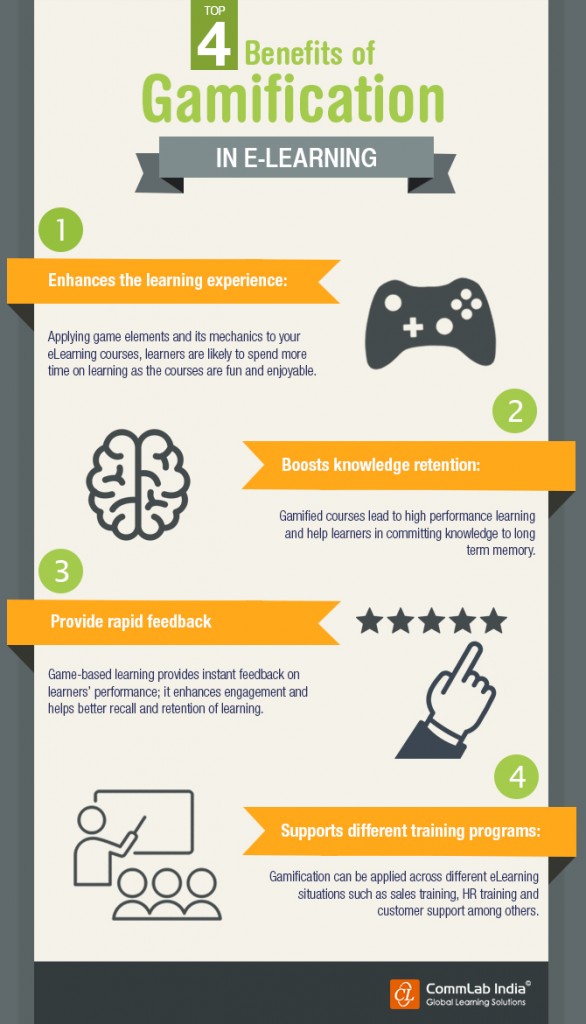
A: Some benefits of using gamification in education include increased intrinsic motivation, better retention and recall of information learned through active participation rather than passive consumption or rote memorization; enhanced collaboration among learners; improved self-efficacy and confidence; personalized learning experiences that cater to individual needs and preferences; immediate feedback on performance with opportunities for improvement; higher engagement rates leading to decreased absenteeism rates.
Q: What are some examples of how gamification can be used in education?
A: Gamification can be used across various subjects at different age levels. For instance:
– In language arts classes, teachers can use educational games like Kahoot! or Quizlet Live that introduce grammar rules or vocabulary.
– In math classes teachers can use games like Math Quest or Prodigy that help students improve comprehension by solving problems.
– In science classes teachers can use virtual labs where students perform experiments without fear of damaging anything.
– In history lessons students could explore historical sites virtually while interacting with characters from particular periods.
Q: Are there any risks associated with using gamified approaches for teaching?
A: While many proponents tout the benefits of implementing gaming elements into the classroom environment there are also potential risks including the over-reliance on extrinsic motivators (rewards) that may backfire if not applied properly. In addition, gamification can be time-consuming and expensive to create or implement.
Overall, gamification in education is an innovative approach to teaching and learning that has shown great potential for improving student engagement, motivation, and achievement. When used appropriately it can elevate the quality of instruction while providing a more enjoyable experience for students.
 Alternative Amie
Leave a comment