Dual Enrollment Programs: A Powerful Pathway to Higher Education
Pursuing higher education has always been a dream for many students, but the cost of college tuition is often an obstacle. College expenses have skyrocketed over the years, making it impossible for most people to afford college without taking out student loans or other forms of financial aid. However, there’s a solution that can help high school students save money and time while earning college credits – Dual Enrollment Programs.
What are Dual Enrollment Programs?
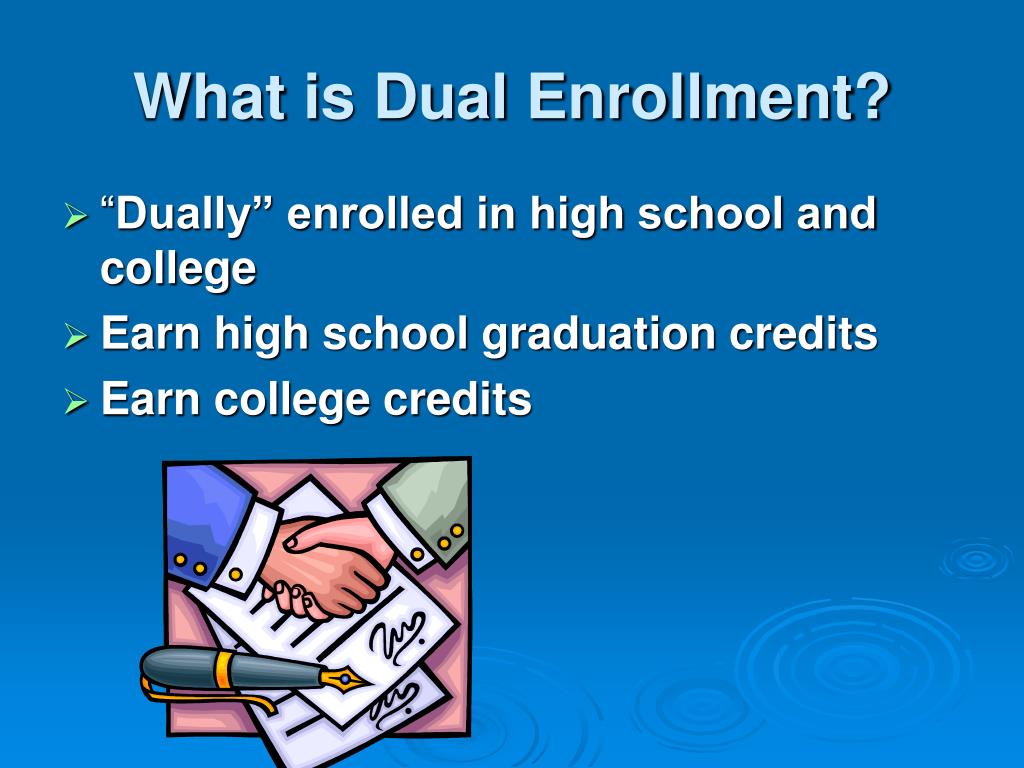
Dual enrollment programs are educational partnerships between high schools and colleges that allow students to earn both high school and college credit at the same time. Students who participate in dual enrollment programs take classes at their local community colleges or universities while still attending their regular high school courses.
Most dual enrollment programs offer general education courses such as English composition, math, science, history, and foreign languages. These courses fulfill both high school graduation requirements and college prerequisites. The credits earned through dual enrollment transfer towards a degree program at almost any institution of higher learning in America.
Why Choose Dual Enrollment?
There are several advantages to participating in a dual enrollment program:
1) Saving Money: By enrolling in these programs early on during High School (usually Junior/Senior years), students can save thousands of dollars by earning college credits free-of-cost while they’re simultaneously completing their secondary education curriculum.
2) Time Management: Enrolling in these classes helps students develop better time-management skills as they learn how to juggle two different educational institutions’ schedules simultaneously.
3) Academic Preparedness: Participating in dual-enrollment helps develop academic confidence among young adults about what’s expected from collegiate-level coursework ahead of them. It also gives them exposure to different teaching styles and methodologies that vary from those taught at secondary-level schools.
4) Increases Chances of Acceptance into Top Colleges: This is especially true if you aim for competitive colleges because admissions officers look favorably upon applicants who have taken challenging courses and demonstrated their ability to thrive in college-level environments.
Who Can Participate in Dual Enrollment Programs?
Dual enrollment programs are designed for high school students who meet specific eligibility requirements. Eligibility criteria vary from state to state, but most states require that students have:
1) A minimum GPA of 2.5 or higher
2) Approval from their parents/guardians
3) Permission from the high school counselor
Additionally, some colleges may require students to take a placement test before being admitted into dual enrollment programs.
How Do You Enroll in a Dual Enrollment Program?
Enrolling in a dual enrollment program is straightforward. Students should start by talking with their high school counselors about available options and necessary paperwork they need to complete. In most cases, the counseling office will provide an application packet outlining all required documentation and instructions for registration.
Once enrolled, students receive course schedules and textbooks as they would at any other college or university institution. They attend classes on-campus (or online), interact with professors alongside traditional undergraduate peers while still maintaining regular attendance at their respective schools.
Are There Any Risks Involved With Dual Enrollment Programs?
There are some risks associated with participating in dual-enrollment programs. The primary risk is that if you don’t pass your coursework, you could jeopardize both your high school graduation status and college transcripts’ quality.
Another potential downside is that not every college accepts credits earned through dual enrollment programs – so it’s essential to make sure that any credit earned can indeed be transferred towards the student’s intended degree program before enrolling in these courses.
Conclusion
Dual enrollment programs offer numerous benefits for young adults looking to jumpstart their collegiate careers while saving time and money. These programs help reduce financial burdens on families trying to send children off into higher education institutions after completing secondary schooling – which can often be quite expensive without scholarships/financial aid packages covering tuition costs entirely!
For those considering this opportunity, keep in mind that open communication with your high school counselors and college admissions offices is essential for ensuring seamless transitions between both institutions. With proper planning and diligence, dual enrollment programs can be an excellent pathway to a brighter future!
 Alternative Amie
Leave a comment