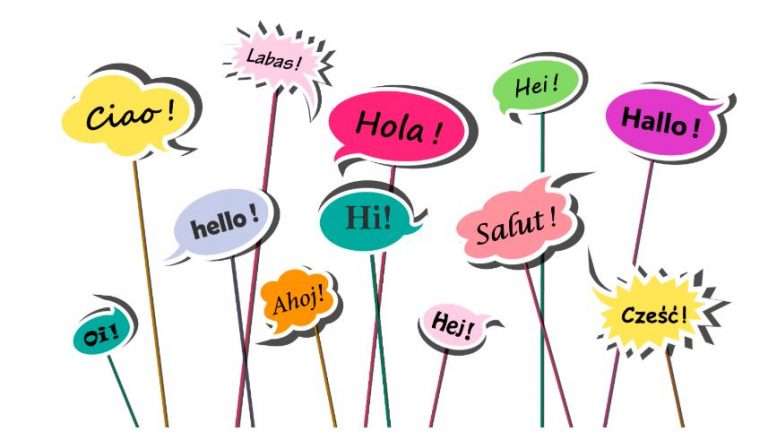
Multilingualism in OERs
Open Educational Resources (OERs) are online resources freely available to educators, students, and self-learners worldwide. They can be in the form of textbooks, videos, lesson plans, and other educational materials. The beauty of OERs is that they can be adapted and modified by anyone who has access to them.
In today’s globalized world where multilingualism is becoming more prevalent, incorporating multiple languages into OERs can broaden their reach and make them more accessible to non-native English speakers. Multilingual OERs can provide a platform for learners to learn in their native language while also acquiring knowledge in English.
The benefits of multilingual OERs are numerous. Firstly, they promote inclusivity by ensuring that learners from different linguistic backgrounds have equal access to educational resources. Secondly, they help preserve indigenous languages by providing learning materials in those languages which may not be readily available elsewhere.
Thirdly, multilingual OERs encourage intercultural communication and understanding between learners from diverse backgrounds. This helps break down cultural barriers and promotes mutual respect among individuals.
Despite these benefits, creating multilingual OERs poses some challenges that must be addressed. One such challenge is ensuring the quality of translations or adaptations of content into different languages. It’s essential to ensure that translated content accurately conveys the intended meaning without losing its original context.
Another challenge is ensuring that multilingual OERs remain up-to-date as new versions become available or when changes occur in local contexts where the resources are being used.
In conclusion, incorporating multiple languages into Open Educational Resources has enormous potential for making education more inclusive and accessible worldwide while promoting intercultural communication and preserving indigenous languages. Therefore it’s crucial for educators and developers to work together to create high-quality multilingual OERs that meet the needs of all learners regardless of their linguistic background or location around the globe.
 Alternative Amie
Leave a comment