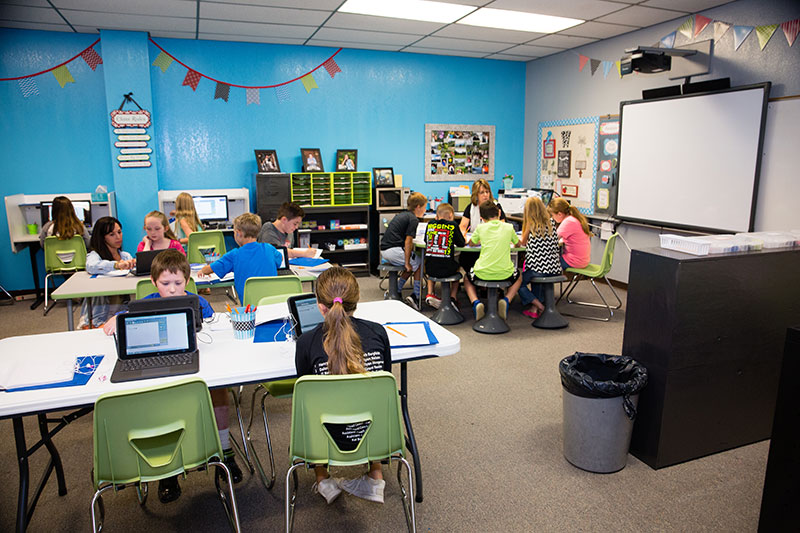
Blended learning is an alternative form of education that has become increasingly popular in recent years. It combines traditional classroom teaching with online or digital resources to create a unique educational experience for students. In this post, we will explore what blended learning is, how it works, and the benefits it offers.
Blended learning can be defined as a combination of face-to-face instruction and online or digital resources. It allows students to learn at their own pace while still receiving guidance from their teachers. This approach provides a more personalized learning experience for each student and helps them develop essential skills such as self-motivation and time management.
One of the key components of blended learning is technology integration. Digital tools such as videos, interactive presentations, podcasts, and games are used to enhance the classroom experience and provide opportunities for active engagement in the learning process. Additionally, online assessments enable teachers to monitor student progress effectively.
Another critical aspect of blended learning is flexibility. Since students can access course materials anytime from anywhere through various platforms like Learning Management Systems (LMS) or Google Classroom, they have greater control over their schedules. They can review lesson content at any time when needed; thus allowing them to proceed on their own pace which also proves beneficial if they need extra time or a different format to understand better.
Blended Learning also enables teachers to individualize instruction based on each student’s strengths and weaknesses by providing differentiated content and assignments that meet individual needs within one class setting simultaneously. Students who struggle with particular concepts can receive additional support through targeted interventions provided by teachers remotely via virtual conferencing tools such as Zoom or Google Meetup.
In conclusion, Blended Learning provides an innovative approach towards education that merges traditional teaching methods with modern technology-based approaches for effective outcomes suitable for today’s learners’ diverse demands concerning knowledge acquisition styles while also accommodating busy lifestyles due to flexible scheduling options offered by blended classrooms set up at schools worldwide today!
 Alternative Amie
Leave a comment