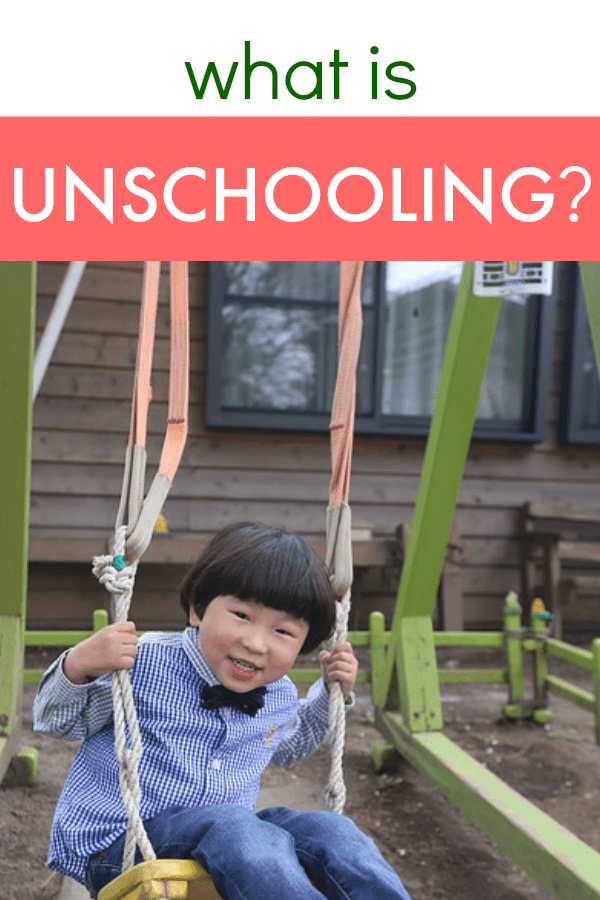
Unschooling: A Comprehensive Guide to Alternative Education
Unschooling, also known as self-directed learning, is an alternative approach to education that allows students to learn by pursuing their own interests and passions. This method of education has gained popularity in recent years due to its flexibility and individualized approach, allowing children to learn at their own pace and on their terms.
One common criticism of unschooling is the concern about socialization. However, research shows that unschooled children are often more socially adept than traditionally schooled peers because they have more opportunities for meaningful interaction with people of different ages and backgrounds. Unschoolers frequently participate in local groups and classes, engage in community service, work on projects with others online or offline, attend events related to their interests or hobbies.
Another concern raised by critics is whether unschoolers are college-ready. While many colleges still require traditional transcripts and test scores for admission purposes, there are plenty of alternatives available for unschooled students such as portfolios showcasing their skills and accomplishments or taking standardized tests like the SATs. Additionally, many colleges now recognize the value of hands-on experience gained through internships or apprenticeships which unschoolers can pursue easily given their flexible schedules.
Career paths may be another area where skeptics wonder if unschooling prepares students adequately enough; however, this couldn’t be further from the truth. In fact, many successful entrepreneurs attribute their success in large part to having access to diverse experiences during childhood which helped them develop a range of skills needed for running businesses successfully.
Self-directed learning is central to unschooling philosophy; it fosters a love of lifelong learning by encouraging exploration based on curiosity rather than external rewards such as grades or degrees awarded by institutions. It’s about developing intrinsic motivation where individuals take responsibility for what they want out of life rather than being told what they should do next.
Parents play a vital role in guiding their child’s educational journey in the unschooling approach but this does not mean dictating their learning. Parents are more like facilitators, offering support, resources, and guidance when needed while allowing their children to take charge of their own educational journeys.
Learning disabilities can be challenging for any student regardless of the educational approach they use. Unschooling offers a unique advantage because students with learning differences can tailor their education to meet their needs rather than being forced into a one-size-fits-all model that might not work well for them. With unschooling, students have the freedom to pursue alternative approaches that help them learn in ways that suit them best.
Time management is a critical skill for unschoolers as they are responsible for managing their schedules and deciding how much time to devote to each subject or project. This kind of autonomy helps develop self-discipline which translates well into adult life where responsibility and independence are essential traits.
Curriculum choices vary widely between different unschoolers depending on individual interests and passions; there is no prescribed curriculum or set of standards that must be met. Instead, students explore topics based on what sparks joy within them which results in deeper engagement with subjects.
Community resources offer an excellent opportunity for unschooled students looking to collaborate with others outside of their home environment or family unit. Local libraries, museums, community centers provide access to classes or workshops related to various interests such as art history or coding which allow children from all backgrounds an opportunity to expand horizons beyond traditional classrooms.
Travel opportunities abound with the flexibility inherent in self-directed learning; families can travel at any time without worrying about missing school days since learning happens wherever you go! Travel provides rich experiences that complement academic knowledge by exposing children firsthand cultural immersion activities such as visiting historical sites or volunteering abroad.
Entrepreneurship is another area where unschooled students often excel given the emphasis on creativity and innovation found in this educational model. Entrepreneurial-minded individuals thrive when given space and resources to experiment with new ideas and build prototypes without fear of failure; unschooling provides this kind of environment.
Technology use is ubiquitous in modern life, and unschooled students are no exception. Technology allows them access to a wealth of learning resources such as online courses, videos, podcasts, and games that supplement their educational journey. They also develop skills like coding or graphic design which can be valuable assets in the workforce.
Artistic pursuits are often underappreciated in traditional schools’ emphasis on academic subjects; however, unschoolers can explore various artistic disciplines such as music, dance or theater without worrying about grades or requirements. This freedom encourages creativity and self-expression which is essential for personal growth.
Physical education is vital to overall health and well-being regardless of whether you’re traditionally schooled or not. Unschoolers have the opportunity to engage in physical activities that interest them most rather than being forced into standardized routines that might not suit them best.
Environmental education is becoming increasingly important given the current climate crisis facing our planet. Unschooling offers an excellent opportunity for children to learn about environmental issues by exploring nature firsthand through hikes, camping trips or volunteering at local conservation organizations.
Cultural immersion opportunities abound when students engage with communities outside their home environments. Immersion activities provide an excellent opportunity for unschooled students to gain perspective by interacting with people from different backgrounds while also gaining practical experience using foreign languages if they so choose.
Critical thinking skills are central to unschooling philosophy since it emphasizes exploration based on curiosity rather than external rewards such as grades awarded by institutions. Students learn how to think critically about topics that interest them most instead of being told what they should know next which leads deeper engagement with subjects over time.
Financial literacy is another critical skill necessary for success in adult life but often neglected in traditional school settings’ focus on academics alone. Unschooling provides ample opportunities for children to learn about money management by handling their own finances and making informed decisions regarding purchases, investments or savings.
Mental health support is essential for anyone looking to thrive in life regardless of educational approach chosen. Unschooling recognizes the importance of mental well-being by providing a nurturing environment where children feel comfortable discussing their emotions or seeking help when needed.
Conclusion
Unschooling is an alternative education approach that provides students with the freedom to learn based on their interests and passions, fosters creativity, critical thinking skills while also promoting independence and responsibility. It has gained popularity among families looking for more personalized approaches to learning that meet their unique needs. While there are critics who argue against unschooling’s effectiveness in preparing students for college or careers, research shows it can be just as effective as traditional schooling methods in these areas if done correctly. Ultimately, unschooling offers an excellent opportunity for children to pursue knowledge through self-discovery which can result in lifelong love of learning along with other benefits like increased confidence and resilience to handle challenges that come up along the way.
 Alternative Amie
Leave a comment