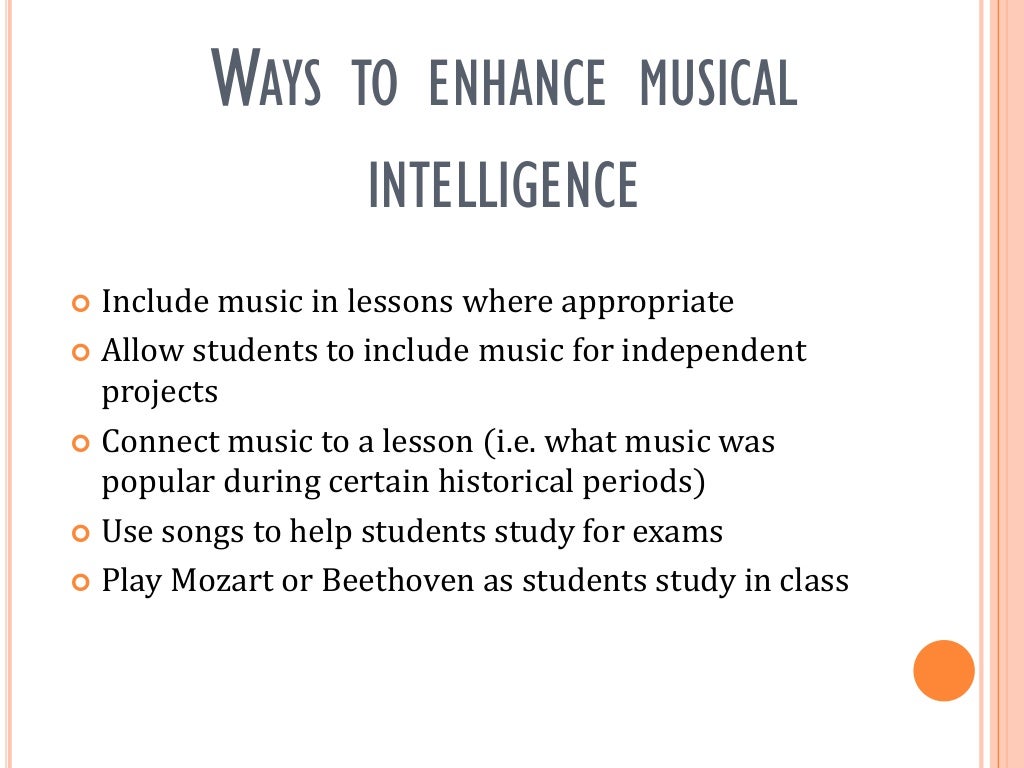
Musical Intelligence: The Power of Music in Alternative Education
Music has been an integral part of human civilization for thousands of years. Whether it is used as a form of expression, entertainment, or communication, music connects people on a deeper level than any other art form. It is no wonder that musical intelligence has become an important aspect of alternative education.
What is Musical Intelligence?
Musical intelligence refers to the ability to understand and create music. This type of intelligence involves recognizing patterns in sound, rhythms, melodies, and harmonies. People with high musical intelligence can easily identify different types of music and instruments and may have a natural talent for playing instruments or singing.
Howard Gardner’s theory of multiple intelligences identifies eight different types of intelligence including logical-mathematical, linguistic-verbal, spatial-visual, bodily-kinesthetic, interpersonal-social, intrapersonal-self-awareness, naturalistic-environmental awareness and last but not least – musical-rhythmic.
According to this theory every individual has their own unique combination of these intelligences which makes up their cognitive abilities. So while some individuals may be more inclined towards logical reasoning and problem-solving skills (logical-mathematical), others could be better at expressing themselves through words (linguistic-verbal). Similarly there are those who excel at visualizing concepts (spatial-visual) or are highly attuned to their own emotions (intrapersonal).
The Importance Of Music In Alternative Education
In recent years there has been a growing interest in alternative forms of education that focus on developing the whole child rather than just academic achievement alone. These educational approaches aim to foster creativity and critical thinking among children by providing them with opportunities for self-expression through various mediums like art & craft activities , drama/theatre training etc.
Music plays an essential role in these alternative educational programs because it helps children develop skills beyond traditional subjects like mathematics or science. By engaging with music, children can:
1. Develop Creativity
Music is a creative art form that allows for self-expression and experimentation with sound. Children who participate in musical activities are encouraged to think outside the box and develop their own unique musical style.
2. Improve Memory And Focus
Learning to play an instrument or sing requires concentration and focus which can improve memory and overall cognitive abilities of a child.
3. Enhance Social Skills
Musical performances often involve collaboration with others which fosters communication, teamwork, empathy and cooperation among people.
4. Boost Self-Confidence
Performing music in front of an audience can be daunting but it also provides an opportunity for children to overcome their fears and boost their self-confidence by showcasing their skills on stage.
5. Promote Emotional Intelligence
Music has the power to evoke emotions from within us, whether it’s joy or sadness or nostalgia etc., When children engage with music they learn to recognize these emotions within themselves as well as others around them thereby developing emotional intelligence – one of the most important life skills required in today’s world.
Alternative Education Programs That Use Music To Foster Learning
There are many alternative education programs that use music as a tool for learning . Some of these include:
1) Waldorf Education: This approach emphasizes artistic expression through various mediums including singing, drama/theatre training , instruments etc. It aims at nurturing creativity among children instead of just focusing on academics alone.
2) Montessori Method : The Montessori method focuses on hands-on learning experiences where children work independently while teachers act as facilitators rather than instructors.The incorporation of music into this program encourages individualized exploration & creativity among students
3) Reggio Emilia Approach: This approach uses multiple forms of expression like visual arts, dance/movement , storytelling & yes you guessed it – Music! It helps foster curiosity & imagination among students by giving them control over the creative process .
4) Kodaly Method : This approach emphasizes on the use of singing to develop musical skills in children. It’s a structured program that aims at developing basic music literacy among students.
5) Suzuki Method: This approach uses the philosophy that every child has the ability to learn and become proficient in music given the right environment, encouragement and practice. The method focuses on training parents as well as teachers to facilitate learning through regular practice sessions.
Conclusion
Musical intelligence is an important aspect of alternative education programs because it helps foster creativity, critical thinking, memory, social skills self-confidence and emotional intelligence among children. By incorporating music into their teaching methods educators can provide valuable opportunities for holistic development of their students. Whether it’s through traditional instruments like piano or guitar or newer forms of technology-based production software – there are endless possibilities when it comes to exploring musical intelligence in education!
 Alternative Amie
Leave a comment