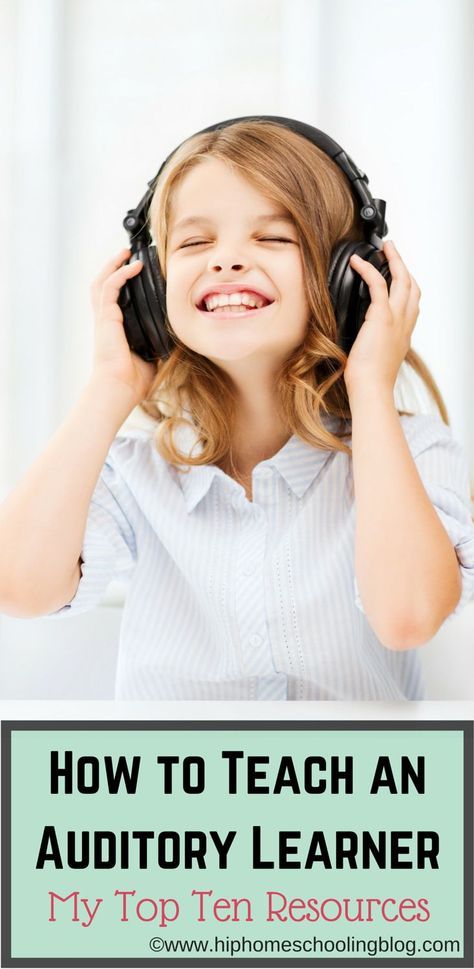
Auditory Learning: A Guide for Alternative Schooling and Education
As humans, we all have unique ways of processing information. Some people prefer to learn through visuals while others find it easier to grasp concepts through hands-on activities. However, there is one type of learning that often goes unnoticed – auditory learning.
Auditory learners are individuals who learn best through sound and listening. These students tend to excel in areas such as language arts, music, and foreign languages because they have a natural ability to retain what they hear.
If you are an educator or a parent looking for alternative schooling options, it’s important to understand how auditory learners process information so you can create a conducive environment for their success. In this article, we’ll delve deeper into the world of auditory learning and provide tips on how to teach these types of learners effectively.
What is Auditory Learning?
Auditory learning is the process by which students absorb information primarily through hearing. This means that these types of learners prefer lectures, discussions, podcasts, audiobooks over reading books or watching videos without audio cues.
For example, when an auditory learner listens to a lecture on history or science instead of reading about it from a textbook or watching a video with subtitles; they are more likely able to recall specific details later on because they heard them directly from the source.
How do You Identify an Auditory Learner?
Identifying auditory learners can be challenging since most students have some degree of proficiency in each learning style. However, here are some signs that may indicate if your child/student has an aptitude for auditory learning:
1. They Enjoy Listening More than Reading
If your child prefers listening over reading books or articles – chances are they might be an auditory learner. They may also enjoy audiobooks more than physical books since it allows them to follow along with ease rather than grappling with words on paper.
2. They excel at Discussions
Auditory learners thrive in group discussions where they can express their thoughts and ideas through verbal communication. They enjoy sharing their opinions and listening to others, which makes them great contributors during classroom or group activities.
3. They have a Good Memory for Sounds
Auditory learners have an exceptional memory for sounds, including music, words, tone of voice, pitch etc. For instance, they can easily mimic accents after hearing them just once or recall song lyrics from years ago.
4. They’re good at Explaining Things
Auditory learners tend to be excellent communicators since they are used to processing information through sound. They often find it easy to explain complex concepts in simple terms that others can understand.
Best Practices for Teaching Auditory Learners
Now that we know what auditory learning is and how to identify these types of learners let’s look at some best practices on how to teach them effectively:
1. Use Audio Resources
One of the most effective ways to help auditory learners succeed is by using audio resources such as audiobooks, podcasts, songs/rhymes etc., while teaching various subjects like history or science. This method will allow students with this type of learning style to absorb information more efficiently than reading texts or watching videos without sound cues.
2. Encourage Discussions
Since auditory learners thrive in group discussions; encourage class participation and initiate debates where possible during lessons so they can share their opinions with others openly and listen actively to other perspectives.
3. Provide Lecture Notes
Providing lecture notes after classes will help auditory learners review and revise key points later on since it allows them time for reflection without any distractions from the present moment when listening intently during lectures/discussions.
4. Create Mind Maps/Flow Charts
Another way you could engage your auditory learner is by creating mind maps/flowcharts that visually represent the connections between different concepts taught in class – this method helps students organize their thoughts better while revising important topics outside classrooms too!
5. Use Mnemonics
Mnemonics are a great way to help auditory learners memorize information quickly and easily since they use sound cues or patterns to remember facts. For example, using catchy songs or rhymes can help students recall historical dates or scientific formulas faster than other methods.
6. Provide Feedback
As an educator/parent, it’s important to provide feedback on how well your auditory learner is doing in class and where they need improvement – this helps them understand their strengths and weaknesses better while also acknowledging that you care about their progress.
In conclusion, auditory learning is a crucial aspect of alternative schooling and education that often goes overlooked. It’s essential for educators and parents alike to recognize the significance of this learning style so they can create environments conducive to its success. By incorporating audio resources, discussions, mnemonics etc., teachers can make classes more engaging for auditory learners while also helping them excel academically!
 Alternative Amie
Leave a comment