Mnemonics is a tool that has been used for centuries to help people remember things easily and quickly. It’s a technique that can be applied in various areas of life, including education. If you’re looking for an effective way to improve your memory, then mnemonics might just be the perfect solution.
Before we dive deeper into how mnemonics work, let’s first define what it actually is. Mnemonic devices are techniques or strategies that help you remember information by associating it with something else. The word mnemonic comes from the Greek word “mnemosyne,” which means “memory.” Mnemonic devices come in many forms such as acronyms, rhymes, songs, images, and stories.
One popular example of a mnemonic device is the acronym HOMES used to remember the names of the Great Lakes – Huron, Ontario, Michigan, Erie and Superior. Another example is using imagery when learning new words- if you want to remember the word ‘abate’, imagine yourself biting down on an apple but stopping yourself before taking a full bite (a-bite).
Mnemonics have proven to be very useful in improving memory retention among students who struggle with memorizing information such as dates or formulas. With some practice and repetition using mnemonics can make retaining this type of knowledge much easier.
Another benefit of using mnemonics is that they turn boring or mundane material into something more engaging and fun! This not only makes learning more enjoyable but also helps retain information better since we tend to remember experiences that are associated with positive emotions.
What makes mnemonics so effective? When our brains associate new information with something familiar or already known it creates stronger pathways within our brain making it easier to retrieve later on. By creating these associations through imagery or other mnemonic techniques students can recall important facts without having to rely solely on rote memorization.
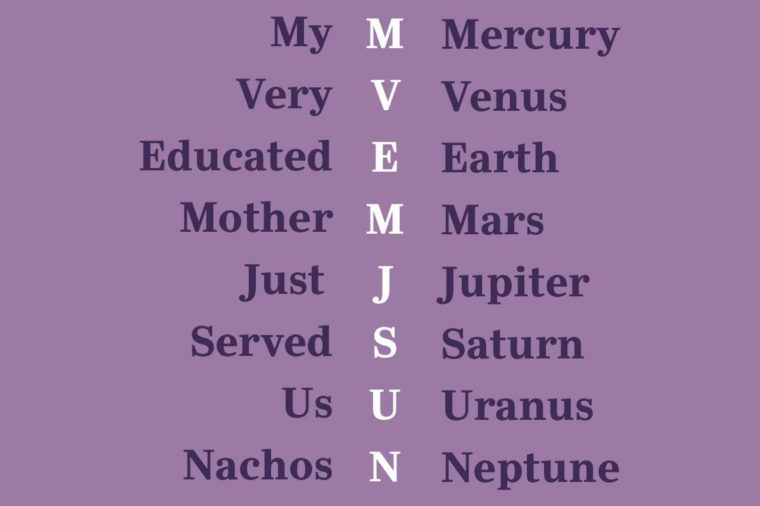
For instance, if you’re trying to learn the names of all the planets in our solar system, you can use a mnemonic such as “My very eager mother just served us nine pizzas.” The first letter of each word represents a different planet (Mercury, Venus, Earth, Mars, Jupiter, Saturn, Uranus and Neptune) making it easier to remember.
Mnemonics also work well for people who have difficulty with short-term memory. By using these devices and creating strong associations between new information and something already known makes it easier to retrieve information when needed.
It’s essential to note that while mnemonics are effective in improving recall abilities they aren’t suitable for every situation. It is important not to rely solely on them but rather use them as an additional tool in your learning arsenal.
Additionally, some students may find certain mnemonics more helpful than others; therefore experimentation may be necessary until you find what works best for you.
Lastly- practice is key! Mnemonic devices become more effective with repetition so make sure to review any newly learned material regularly. This helps strengthen those neural pathways in your brain allowing for quick access when needed later on.
In conclusion, if you’re looking for ways to improve your memory retention or make boring material fun and engaging then give mnemonics a try! With patience and persistence they can be a powerful tool that will help boost your confidence and academic success.
 Alternative Amie
Leave a comment