Montessori Education: The Ultimate Guide to Raising Independent Kids
If you want your child to be a self-sufficient, independent thinker who knows how to learn and grow on their own – then Montessori education may be for you! This revolutionary approach to schooling has been around for over 100 years and is based on the teachings of Italian physician Maria Montessori.
At its core, Montessori education emphasizes hands-on learning, independence, and self-discovery. Children are encouraged to explore their environment and discover new things at their own pace while teachers act as guides rather than lecturers. Sounds great, right? But let’s take a closer look at what this really means for your child’s education.
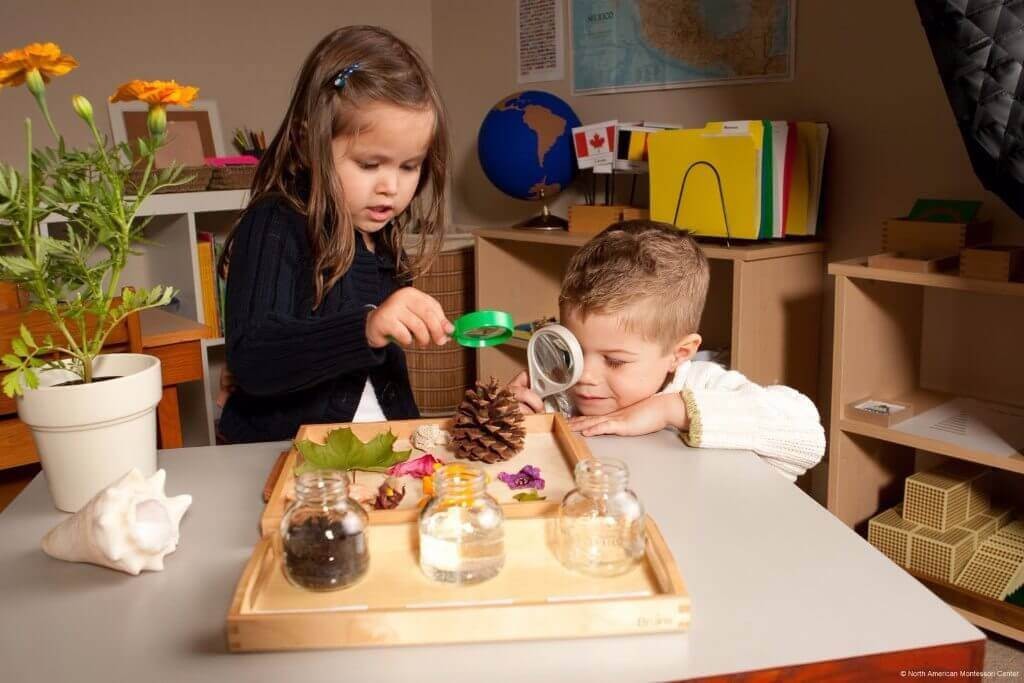
First of all, forget about desks in rows facing the teacher – that’s not happening in a Montessori classroom! Instead, students work independently or in small groups at tables or on mats spread out across the room. They have access to a wide variety of materials designed specifically for their age group and developmental stage.
These materials allow children to learn through exploration and discovery rather than being told what they need to know by an authority figure. For example, instead of memorizing math facts from a textbook, students use tangible objects like beads or blocks to understand concepts like addition and subtraction.
One of the key features of Montessori education is that it allows children to work at their own pace. There are no grades or tests; instead, progress is measured by each child’s individual growth and development. This means that slower learners don’t feel left behind while faster learners aren’t held back by the rest of the class.
Another important aspect of Montessori education is promoting independence in children. Students are taught practical life skills such as cooking, cleaning up after themselves, and taking care of plants or animals in the classroom. This helps them develop confidence in themselves as capable individuals who can contribute meaningfully both inside and outside of the classroom.
But what does all this mean for parents? Well, first of all, you can expect to be more involved in your child’s education than you might be with a traditional school setting. Montessori schools often require parental involvement in the form of volunteer work or fundraising activities. Additionally, because there is no set curriculum in a Montessori classroom, parents may need to do some research on their own to understand what their child is learning and how they can support that learning at home.
Another consideration for parents is cost. Montessori education can be expensive; tuition costs are often higher than those for traditional public schools or even many private schools. This means that families who choose Montessori may need to make sacrifices in other areas of their budget.
But despite these potential hurdles, many parents find that Montessori education is well worth the investment. Children who attend Montessori schools tend to develop strong social skills as well as a love for learning that lasts throughout their lives. They also tend to perform well academically – studies have shown that children who attend Montessori schools score higher on standardized tests than those who don’t.
So if you’re looking for an alternative approach to education that emphasizes independence, self-discovery, and hands-on learning – consider giving Montessori a try! Just remember that like any educational philosophy, it’s not a one-size-fits-all solution; every child is different and what works best for one may not work as well for another.
In conclusion, while it may seem unconventional at first glance, the benefits of a Montessori education are numerous. By providing students with hands-on experiences and encouraging them to learn at their own pace without judgment or competition from others around them (no grades!), children become confident problem-solvers capable of tackling new challenges head on. And by teaching practical life skills such as cooking or cleaning up after themselves early on, they develop a sense of independence and self-sufficiency that will serve them well throughout their lives. So if you’re looking for an alternative approach to education that emphasizes creativity, critical thinking, and individuality – Montessori may be just what your child needs!
 Alternative Amie
Leave a comment