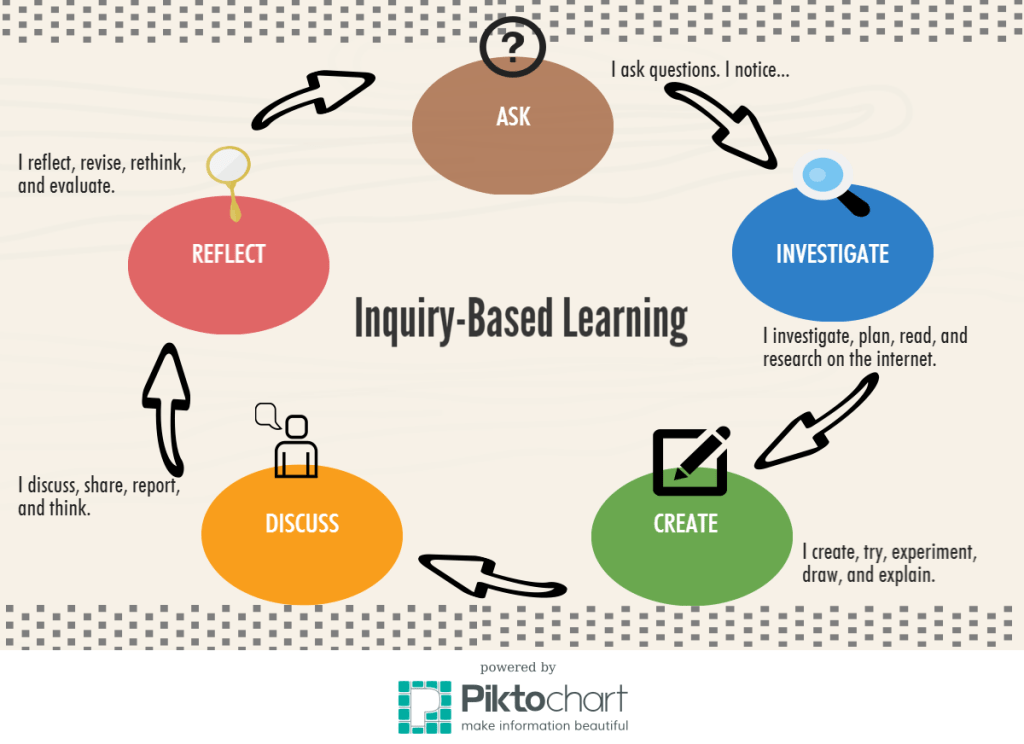
Inquiry-Based Learning Groups: A Guide for Alternative Schooling and Education
Inquiry-based learning is an innovative approach to teaching and learning that promotes active engagement, critical thinking, and problem-solving skills. It encourages students to ask questions about the world around them, seek answers through research and experimentation, and share their findings with others. Inquiry-based learning groups are a powerful way to implement this approach in alternative schools and education settings.
What Are Inquiry-Based Learning Groups?
Inquiry-based learning groups are small teams of students who work together on projects or investigations related to a specific topic or question. The group members collaborate to explore different aspects of the topic, gather information from various sources, analyze data, draw conclusions, and communicate their findings to others. The role of the teacher in inquiry-based learning groups is more that of a facilitator than an instructor; they guide students’ inquiry process by providing resources, feedback, and support.
Why Use Inquiry-Based Learning Groups?
There are many reasons why inquiry-based learning groups can be effective in alternative schooling and education environments:
1. Promote Active Engagement: Students become actively involved in their own learning when they are given opportunities to explore real-world issues that matter to them.
2. Foster Critical Thinking Skills: When students engage in open-ended inquiries requiring investigation into topics such as social justice or environmental sustainability it helps develop critical thinking skills like analysis which lead them towards better understanding complex problems.
3. Encourage Collaboration: Working collaboratively builds social-emotional competencies along with academic growth allowing them learn how people work together towards achieving common goals while respecting diversity among team members.
4. Develop Problem-Solving Skills: Through solving problems within the group dynamic both academically as well as socially improves problem-solving skills amongst individuals leading towards overall growth.
5. Enhance Communication Skills: As these groups encourage open dialogue exchange of ideas between peers leads towards enhanced communication skills helping individuals present themselves better thus improving self-confidence.
How to Set Up Inquiry-Based Learning Groups?
Setting up inquiry-based learning groups requires careful planning and preparation. Here are some steps you can follow:
1. Choose a Topic: Start by selecting a topic or question that aligns with the curriculum goals, student interests, and local contexts. For instance, if studying history try exploring how it influenced people’s lives in different regions of India.
2. Select Group Members: Depending on the number of students involved, you can form groups consisting of 4-6 members who have complementary skills and diverse perspectives.
3. Establish Group Norms: Setting guidelines for group work is crucial as it helps manage expectations among team members leading towards better coordination amongst them.
4. Allocate Roles: Each group member should be assigned roles that suit their strengths such as researcher, presenter etc., assigning roles also helps individuals understand others’ responsibilities leading towards better support for each other.
5. Provide Resources: Teachers need to provide resources that will help students conduct research; these may include books, articles, videos, databases and additional online sources depending on availability.
6. Set Deadlines: Setting deadlines for different stages of work ensures progress is made regularly within a set time frame thus helping teams stay focused throughout the process.
7. Offer Feedback & Support: Providing feedback regarding their work at regular intervals encourages continuous improvement while providing support when needed boosts motivation levels amongst students enhancing overall performance
Conclusion:
Inquiry-based learning groups are an innovative approach to teaching and learning that promotes active engagement, critical thinking skills development along with problem-solving abilities amongst individuals through collaboration enhanced communication skills are developed too which lead towards overall growth academically as well as socially-emotionally.
Alternative schools can use this method effectively due to its potential benefits mentioned above; teachers just need to plan carefully before implementing it into their curriculum keeping in mind resources available along with effective allocation of roles in order to ensure success among learners involved in such groups.
 Alternative Amie
Leave a comment