Personalized Learning Plans: Empowering Students to Take Charge of Their Education
In traditional classrooms, teachers follow a one-size-fits-all approach to education. They prepare lesson plans that cater to the average student’s needs and pace of learning. However, this approach often fails to address the individual differences in students’ interests, abilities, and learning styles. As a result, some students may struggle to keep up with their peers while others may feel bored or disengaged.
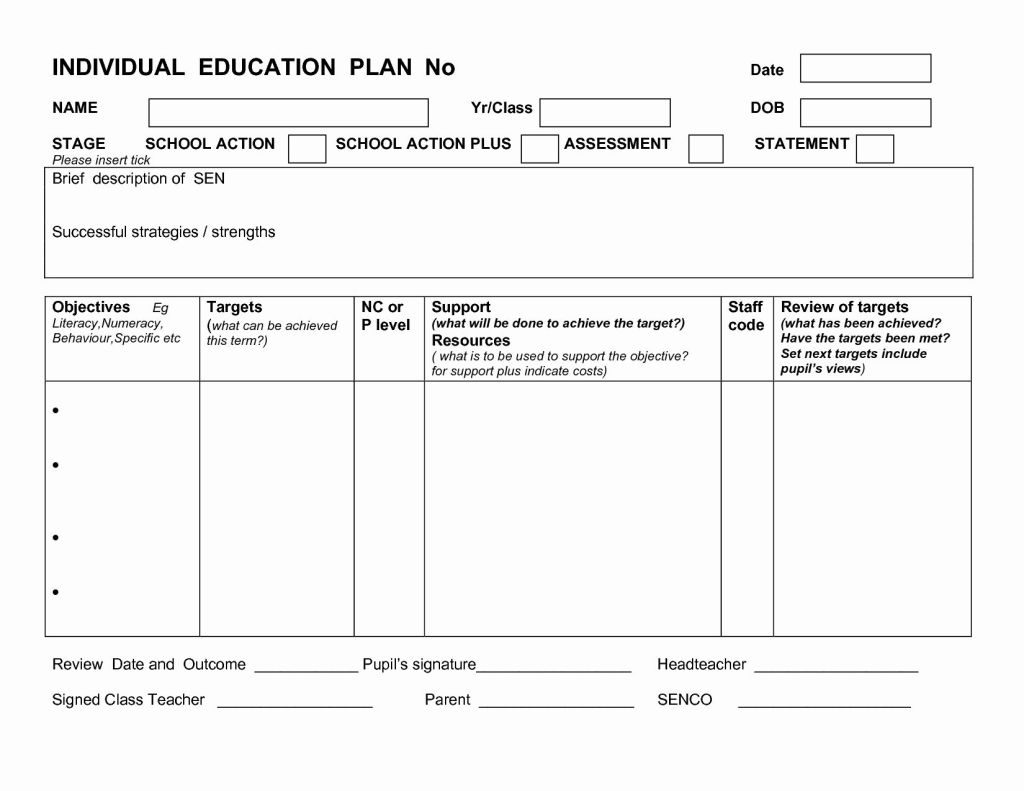
Fortunately, personalized learning plans (PLPs) offer an alternative approach that empowers students to take charge of their education. PLPs are tailored instructional strategies designed to meet the unique needs and goals of each student. They provide learners with more autonomy over what they learn and how they learn it.
In this article, we’ll explore the benefits of personalized learning plans and discuss how schools can implement them effectively.
Why Personalized Learning Plans Matter
Personalized learning plans have gained popularity in recent years as educators recognize the limitations of traditional classroom instruction. Here are some reasons why:
1. Tailored Instruction
One significant advantage of PLPs is that they offer tailored instruction for each student’s specific needs. Educators work closely with students to identify their strengths, interests, weaknesses and create customized learning experiences accordingly.
For instance, if a student is struggling with multiplication tables but excels at reading comprehension exercises- then his/her PLP will focus on improving math skills while still maintaining proficiency in English language arts.
2. Improved Engagement
When learners can choose topics that interest them or select activities that align with their preferred style of learning- it naturally leads to increased engagement levels in schoolwork.
A study by EdSurge found that when teachers provided opportunities for choice-based assignments or project-based assessments -students reported higher levels of motivation towards academic tasks compared with conventional methods.
3. Enhanced Learning Outcomes
PLP’s help connect educational experiences directly back into real-world applications through experiential learning. This approach leads to higher retention rates, better recall of information and more profound understanding of concepts.
A study by the National Bureau of Economic Research discovered that personalized learning programs improved student test scores by approximately 0.2 standard deviations in both reading and math.
4. Greater Autonomy
PLP’s enable students to take ownership of their education actively. They can set individual goals, track progress and evaluate their performance using a variety of mediums (e.g., portfolios, journals).
By doing so, they learn valuable life skills such as self-motivation, time management and accountability while simultaneously developing academic competencies.
Implementing Personalized Learning Plans
Now that we understand the benefits let us discuss how educators can implement PLPs within their classrooms effectively:
1. Start with Student Input
The first step is to involve learners in the process by asking for their input on what they want to achieve from an educational perspective.
Teachers may use surveys or questionnaires at the beginning of each school year or semester to gain insights into students’ interests and learning preferences- this data will serve as a starting point for creating tailored plans for each learner.
2. Set Clear Goals & Objectives
Once teachers have collected student data, it’s time to develop clear objectives based on these insights- this should be done collaboratively with students where possible.
These objectives must align with curriculum standards but also provide enough flexibility so that students feel invested in achieving them – making sure all goals are measurable through specific assessment methods is critical too!
3. Create Actionable Steps Towards Goals
After developing clear objectives – teachers need to work closely with learners on actionable steps towards meeting those goals- taking smaller steps along the way ensures continuous progress over longer periods rather than only working towards long-term aspirations like graduation day!
4. Integrate Technology Tools
Technology tools such as online platforms, adaptive software applications or digital textbooks allow educators access vast amounts of data on student learning while providing personalized feedback to students.
Using these tools, educators can track progress, identify areas of weakness and adjust instruction accordingly- this helps teachers provide the right level of support and keep learners engaged in their own learning.
5. Track Progress & Evaluate
Finally, tracking progress is critical for PLP’s success – both for educators and students themselves. Teachers should frequently check in with learners to see how they’re progressing towards their goals and offer guidance where necessary.
At the same time, students must be encouraged to reflect upon their experiences regularly – evaluating what worked well or not so well during each phase of learning will help them refine their approach continually.
Conclusion
Personalized learning plans have revolutionized education by empowering learners to take ownership of their educational journeys actively. By tailoring instruction based on individual needs, interests and abilities- PLPs improve engagement levels leading to better academic outcomes overall!
While implementing them may seem daunting at first glance due to the need for collaboration between educators and students alike – following these steps will help ensure a successful implementation process that benefits everyone involved!
 Alternative Amie
Leave a comment