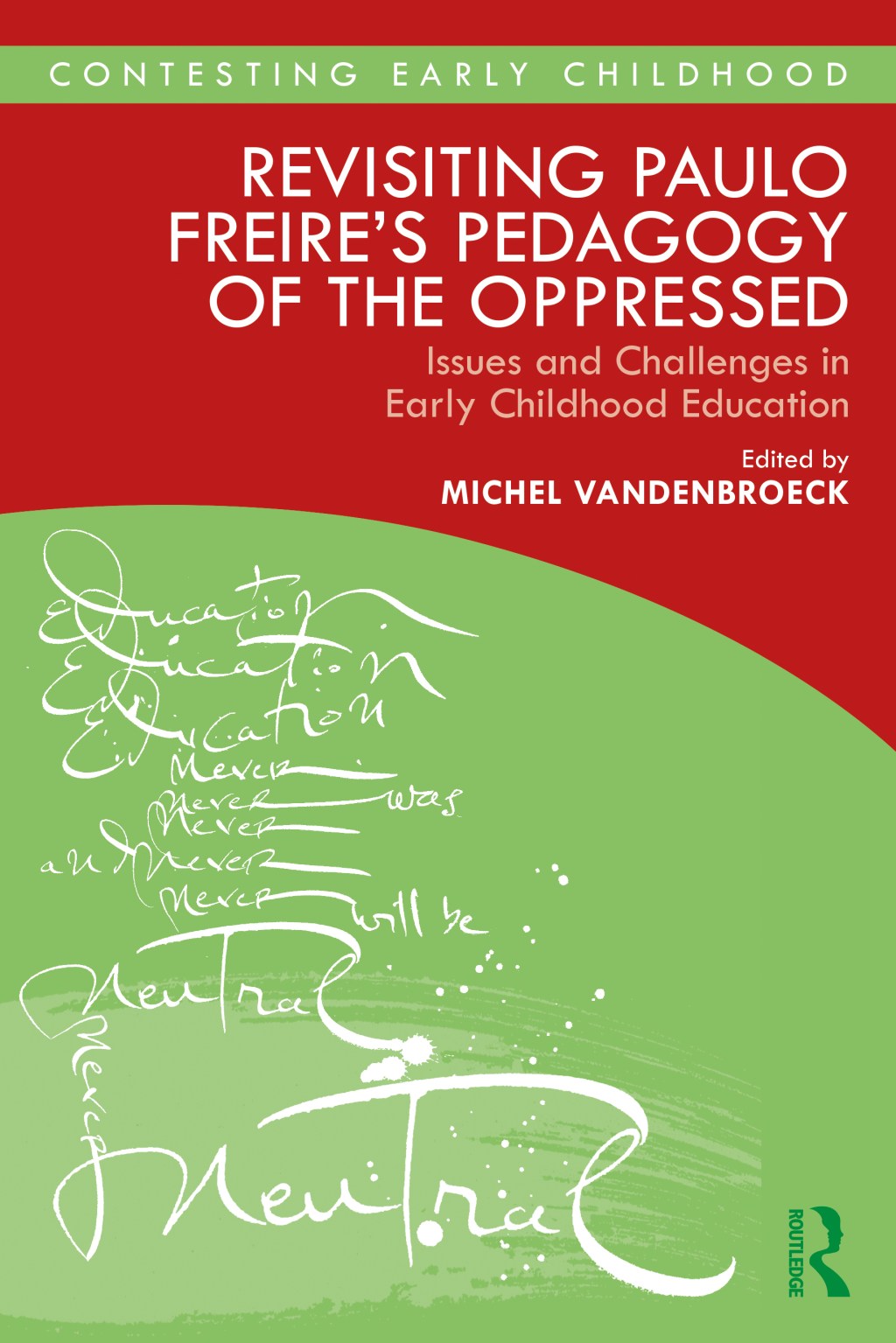
Paulo Freire was a Brazilian educator and philosopher who is widely known for his critical pedagogy approach to education. This approach emphasizes the importance of empowering students through critical thinking, dialogue, and reflection. In this post, we will explore the key principles of Freire’s critical pedagogy and discuss how they can be applied in alternative schooling and education.
One of the central ideas in Freire’s critical pedagogy is that education should not be a one-way process where teachers simply pass on knowledge to students. Instead, he argued that education should be a dialogical process where both teachers and students engage in a meaningful exchange of ideas. This means that teachers should not view themselves as the sole authorities on knowledge but rather as facilitators who help students develop their own understanding of the world.
To achieve this goal, Freire emphasized the importance of problem-posing education. Rather than presenting information in a passive manner for students to memorize, problem-posing education encourages critical thinking by posing questions or problems related to real-world issues. Students then work together to analyze these issues and come up with potential solutions based on their own experiences and perspectives.
In addition, Freire believed that traditional schooling often reinforces existing power structures by encouraging conformity rather than individuality. To counteract this tendency, he advocated for an educational system that promotes social justice by challenging dominant narratives and giving voice to marginalized groups.
One way he proposed achieving this was through what he called conscientization – or raising awareness among learners about their social reality so they could take action towards change. For example, instead of teaching history from one perspective (such as Western European), conscientization would involve exploring multiple perspectives from different cultures or subcultures.
Freire also believed that language plays an important role in shaping our understanding of reality. He argued that conventional language often reflects dominant ideology rather than reflecting diverse perspectives or promoting social equality. Therefore, it is crucial for educators to recognize and challenge the power dynamics inherent in language use.
To put Freire’s critical pedagogy into practice, alternative schooling and education initiatives can take a number of steps. For example, they can create problem-posing curricula that encourage students to think critically about real-world issues. They can also promote dialogue between teachers and students by encouraging open communication channels.
In addition, educators can incorporate opportunities for conscientization into their lessons by exploring diverse perspectives on various topics. For instance, instead of solely teaching history from a Western perspective, educators could incorporate multiple cultural perspectives to offer a more comprehensive understanding of events.
Alternative schools could also work towards creating an inclusive learning environment that values diversity in all its forms – including race, ethnicity, gender identity, sexual orientation or socioeconomic status. This could involve promoting student-led initiatives that celebrate different cultures or identities while challenging dominant narratives.
Another way to apply critical pedagogy is through community-based projects that allow students to engage with real-world problems first-hand. By working with local organizations or businesses on relevant projects, learners will have the chance to develop their skills while making meaningful contributions to their community at large.
Finally, it’s essential for alternative schools and educators inspired by Freire’s approach not only to teach but also embody these principles themselves. This might mean engaging in self-reflection practices on how power operates within educational spaces or creating opportunities for continuous professional development around social justice issues related to education.
In conclusion, Paulo Freire’s critical pedagogy offers an innovative approach to education that empowers learners through dialogue and reflection. Alternative schooling and education initiatives can apply this approach through problem-posing curricula that foster critical thinking among learners; promoting inclusion and diversity; using language as a tool for social equality; engaging in community-based projects; and applying these principles at all levels of educational practice – from curriculum design to teacher training programs. By embracing Freire’s vision of transformative education we will be able to create a more just and equitable society for all.
 Alternative Amie
Leave a comment