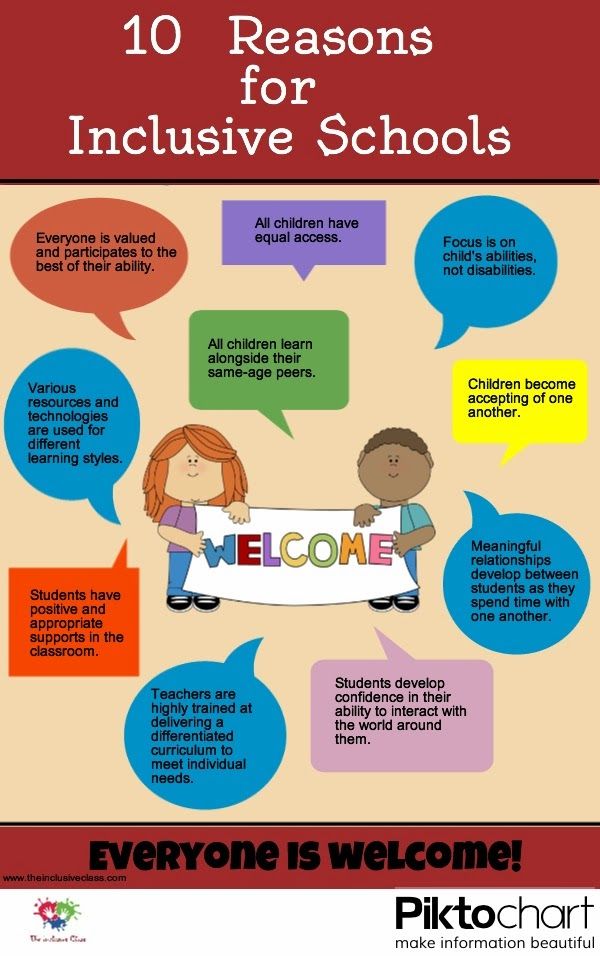
Inclusion practices in special education have been a growing trend in recent years, with an increasing focus on creating environments where all students can learn and thrive together. Inclusion is the philosophy that all students should have access to the same learning opportunities regardless of their abilities or disabilities. This concept has been applied across many different fields, including education.
Special education inclusion practices require careful planning and implementation to ensure that every student’s needs are met. Here are some key strategies for successful inclusion:
1. Collaboration: Successful inclusion requires collaboration between teachers, parents, and support staff. All stakeholders must work together to develop individualized plans for each student, which includes accommodations and modifications as needed.
2. Differentiated Instruction: Teachers need to be skilled at providing differentiated instruction that meets the diverse needs of all learners in their classrooms. Inclusive classrooms may include students with a range of needs such as those who need additional support or those who need extension activities and enrichment.
3. Assistive Technology: Assistive technology is increasingly being used as an effective tool for supporting students with disabilities in inclusive classrooms. It provides accommodations such as text-to-speech software, speech-to-text recognition software, digital books among others that enable students to participate more fully in learning activities.
4. Positive Behavior Support: Educators use positive behavior support (PBS) strategies to create a positive school climate by teaching social skills and pro-social behaviors while identifying triggers or antecedents for challenging behaviors among learners.
5. Professional Development: Ongoing professional development is essential for educators working in inclusive settings so they can stay up-to-date on best practices related to special education inclusion.
In conclusion, special education inclusion is not just about placing children with disabilities into general education classrooms but also involves creating supportive environments where all children can thrive academically and socially regardless of their abilities or disabilities through collaboration between educators, parents/guardians and community members using evidence-based approaches such as assistive technology PBS and differentiated instruction.
 Alternative Amie
Leave a comment