Neurofeedback Training for Academic Performance Enhancement
As education evolves, the demand for alternative schooling and education approaches increases. One such approach is Neurofeedback Training, which has gained significant attention in recent years. This technique offers a unique way to improve academic performance by enhancing brain function and reducing symptoms associated with various learning difficulties.
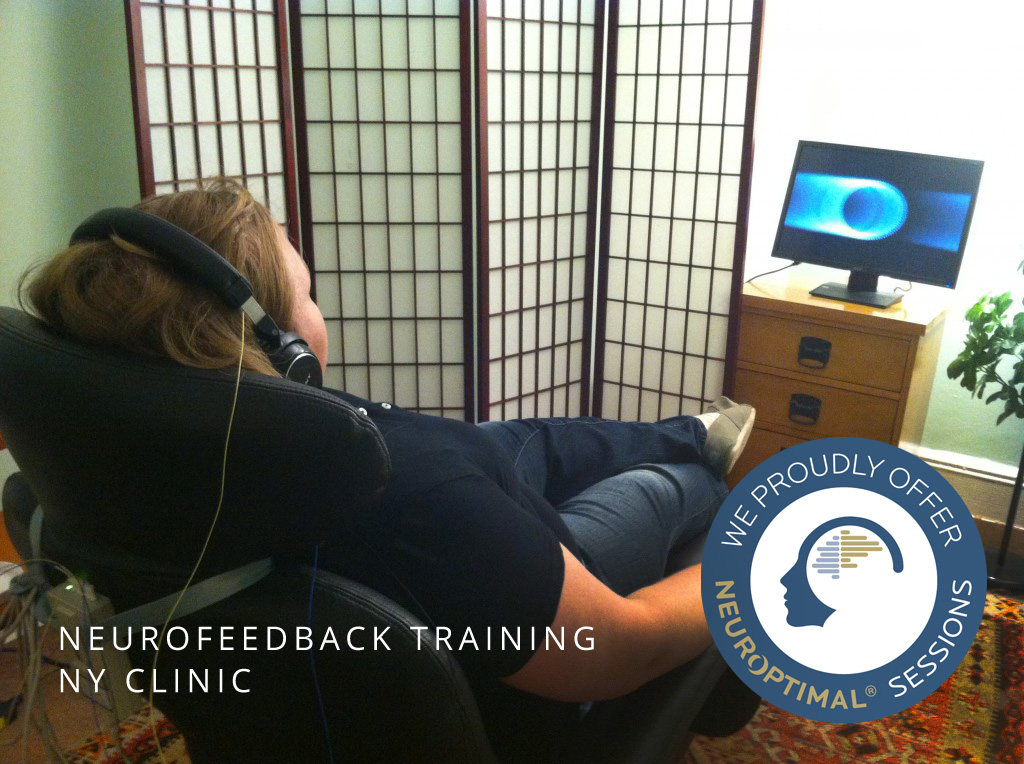
Neurofeedback training is a non-invasive and drug-free method of providing feedback to the brain about its activity patterns. By using electroencephalography (EEG) technology, it measures electrical impulses from the scalp that correspond to different brainwave frequencies. These frequencies are then displayed on a computer screen as visual or auditory stimuli that can be used to train the brainwaves.
The goal of neurofeedback training is to help individuals regulate their own brain activity patterns by providing real-time feedback when they produce certain frequencies or patterns. This process allows them to learn how to control their physiological responses better and achieve more optimal states of cognitive functioning.
One area where neurofeedback training has shown tremendous promise is in improving academic performance. Research suggests that students who undergo neurofeedback training experience significant improvements in memory retention, concentration, attention span, problem-solving abilities, and overall academic performance.
For example, a study conducted by researchers at the University of California found that children with ADHD who underwent neurofeedback training showed significant improvements in their reading comprehension skills compared to those who did not receive this treatment. Similarly, another study published in The Journal of Child Psychology and Psychiatry found that children with dyslexia experienced improved reading scores after undergoing just 20 sessions of neurofeedback therapy.
The benefits of neurofeedback training extend beyond traditional learning difficulties too. For instance, research indicates that this technique can also help reduce anxiety levels among students while boosting their self-esteem and confidence levels.
One reason why this approach has become popular among parents and educators alike is because it does not involve medication or invasive procedures like other techniques do. Instead, it relies on natural brain responses to improve cognitive functioning and academic performance. This approach has also been deemed safe for use in children, making it an appealing option for parents who want to avoid potential side effects associated with medication.
That said, neurofeedback training is not a one-size-fits-all solution for academic performance enhancement. It requires a customized approach that takes into account each individual’s unique needs and learning style. For this reason, the process typically begins with a comprehensive assessment of the student’s current cognitive functioning using EEG technology.
Based on the assessment results, a personalized treatment plan is then developed, which may include specific exercises or activities designed to help train the brainwaves associated with improved academic performance. These exercises can be completed both at home and in-office settings under the supervision of trained professionals.
It is essential to note that neurofeedback training does not yield immediate results; instead, it requires consistent practice over an extended period before significant improvements are observed. As such, individuals undergoing this therapy must be patient and committed to achieving their desired outcomes.
Another aspect worth considering when deciding whether neurofeedback training is right for you or your child is cost. While prices can vary depending on location and provider, most sessions range from $75-$200 per session. Insurance coverage may be available in some cases but should discuss with your insurance provider beforehand.
In conclusion, Neurofeedback Training offers a promising alternative approach to improving academic performance by enhancing brain function naturally without relying on medication or invasive procedures. While research supports its effectiveness in addressing various learning difficulties like ADHD and dyslexia while reducing anxiety levels among students too.
Though it comes at a cost that varies based on location and provider fees ranging from $75-$200 per session but could offer long-term benefits if practiced consistently over time as part of an overall treatment plan tailored toward individual needs.
So if you’re looking for ways to enhance your child’s academic success beyond traditional teaching methods or address any learning difficulties they might be experiencing, neurofeedback training could be worth exploring further.
 Alternative Amie
Leave a comment