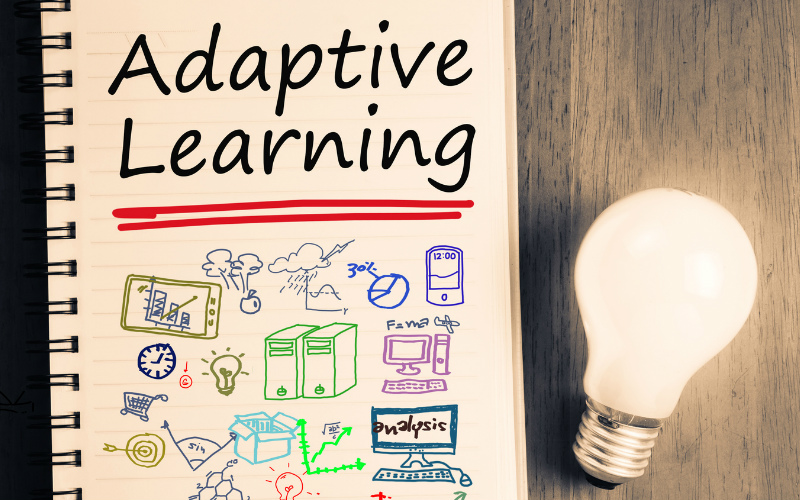
When it comes to education, one size does not fit all. Every student has a unique learning style and pace that needs to be addressed for them to reach their full potential. That’s where adaptive learning comes in.
Adaptive learning is an innovative approach that utilizes technology to create personalized learning experiences for students. It involves using data analytics and algorithms to analyze a student’s strengths, weaknesses, and overall performance in real-time. Based on this analysis, the system automatically adjusts the content and difficulty level of the course material to match the individual student’s needs.
The benefits of adaptive learning are numerous. First off, it allows students to learn at their own pace without feeling left behind or held back by other learners in the class. Secondly, it provides immediate feedback on how well they’re doing so that they can work on areas where they need improvement quickly. Thirdly, it helps teachers better understand each student’s abilities while freeing up time for more targeted interventions.
One example of an adaptive learning platform is Dreambox Learning, which focuses on math education for young children from kindergarten through grade eight. Dreambox uses sophisticated algorithms that consider students’ past performance and current work progressions when creating customized lessons tailored specifically for each individual learner.
Another example is Edmentum Courseware which offers courses across various subjects such as science, social studies language arts among others with its personalized approach making sure every learner gets individualized attention based on his/her strengths & struggles
Overall, Adaptive Learning holds immense promise as a tool for improving outcomes in education by ensuring every child gets quality educational opportunities regardless of their backgrounds or innate abilities.
 Alternative Amie
Leave a comment