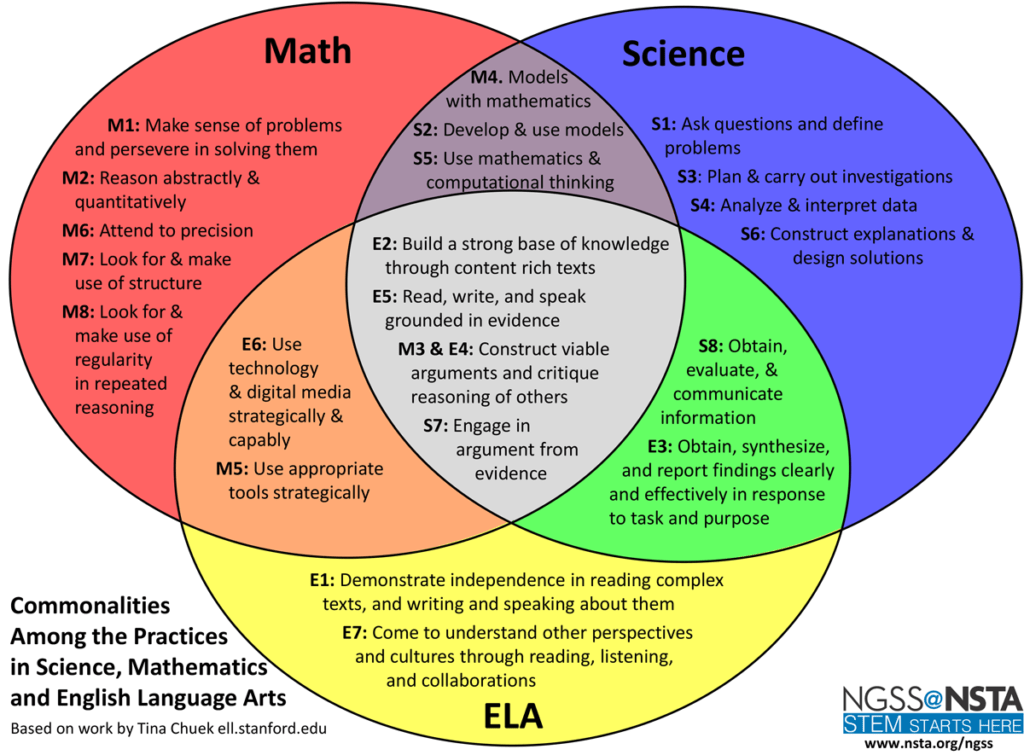
Performance tasks have become an integral part of alternative schooling and education programs. These tasks are designed to assess a student’s ability to apply their knowledge and skills in real-life situations, rather than just measuring their memorization or regurgitation abilities.
Performance tasks can take many forms, from group projects and presentations to essays and simulations. The objective is to create a task that requires students to engage with the material in a meaningful way, applying critical thinking skills, problem-solving abilities, and creativity.
One reason performance tasks have gained traction is that they provide a more accurate representation of what students will face in the real world. In today’s workforce, employees need not only knowledge but also practical skills like collaboration, communication, leadership, and adaptability. By incorporating these elements into performance tasks assignments’ design – whether it be through meetings with clients or working on group projects – educators equip students for success beyond the classroom.
Another benefit of performance tasks is that they allow teachers to tailor assessments better for individual learners’ needs. With traditional tests/exams format assessment methods often being standardized across all learners (without accommodating differences), it’s challenging for teachers not only measure learning outcomes but also differentiate instruction effectively based on where each student stands academically as well as emotionally.
Incorporating Performance Tasks Into Curriculum
When designing curriculum incorporating performance-based assessments may seem daunting at first glance; however; there are some strategies educators can use:
1) Start small: Incorporate one performance task assignment initially. This helps both teachers & learners ease into this type of assessment method gradually.
2) Use rubrics: Rubrics help ensure grading consistency across all learners while providing clear guidelines on what constitutes good work.
3) Collaborate: It’s important when building curriculum plans that incorporate innovative ways of assessing learning outcomes involve other educators/colleagues in brainstorming sessions so everyone has input/input about how best practice can be implemented.
4) Be flexible: While performance tasks are excellent for assessing learning outcomes, every student is unique and may respond differently to different assessment methods. As such, educators should be open-minded and willing to modify their approach as needed.
Examples of Performance Tasks
There are multiple types of performance tasks that can be included in an alternative schooling/education curriculum. Here are some examples:
1) Group Projects: A group project might involve students working together on a presentation or research paper around a specific topic.
2) Simulations: Learners can participate in simulations where they have to navigate real-life scenarios like a job interview or marketing campaign.
3) Case Studies: In this task format, Students review case studies and apply critical thinking skills to come up with solutions that address the challenges highlighted.
4) Debates: Debates provide an opportunity for learners to sharpen their communication & public speaking skills while also showing competency on subject matter knowledge.
Challenges With Performance Tasks
While there are many benefits of incorporating performance tasks into alternative schooling/education programs, there are some potential challenges that need addressing:
1) Time-Intensive: The nature of these assignments makes them time-intensive both for students and teachers. Teachers must design assessments carefully so they remain relevant but not too burdensome for learners.
2) Grading Consistency: Since these assignments require subjective grading criteria (as opposed to objective criteria-based tests), ensuring grading consistency across all learners can be challenging at times.
3) Technical Challenges: Depending on the assignment type (i.e., simulations), technical difficulties could arise during implementation; thus, it’s essential always to have backup plans in place when technology fails.
Conclusion
In conclusion, incorporating performance-based assessment methods into alternative schooling/education curriculums provides numerous benefits – from better preparing students for real-world situations beyond classroom walls & providing more accurate learning outcome measures than traditional test/exam formats. However, teachers must take care when designing assessments since they’re more time-intensive and require subjective grading criteria. With the right planning, preparation, and collaboration among educators/colleagues, performance tasks can be an effective tool for measuring student progress while also providing a more engaging & practical learning experience.
 Alternative Amie
Leave a comment