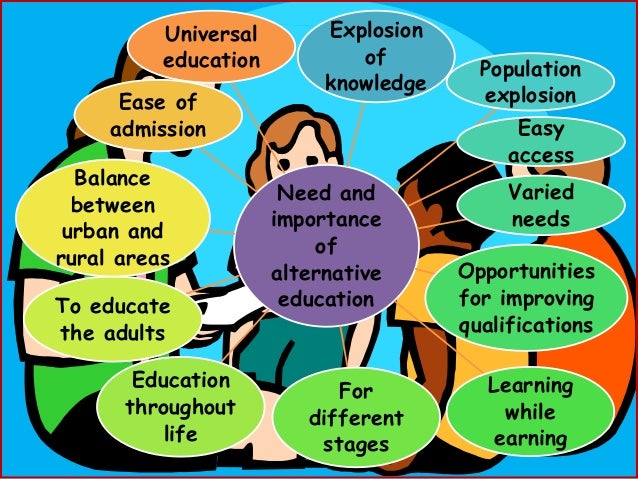
As homeschooling continues to grow in popularity, many parents and students are seeking alternatives to traditional schooling. This has led to a rise in alternative education options such as project-based learning, dual enrollment, and homeschool co-ops. In this post, we will explore these options along with others that can help homeschoolers succeed academically and prepare for their future.
1. Project-Based Learning
Project-based learning is an approach that emphasizes hands-on experiences and allows students to work on projects that are relevant to their interests or goals. This method of teaching helps students develop critical thinking skills and problem-solving abilities.
Homeschoolers can incorporate project-based learning into their curriculum by choosing topics that interest them or align with their career aspirations. For example, if a student wants to become an engineer, they could work on building a robot or designing a bridge.
2. Dual Enrollment Options
Dual enrollment allows high school students to take college courses while still earning credits toward their high school diploma. This option can save families money on tuition costs while also giving students exposure to college-level coursework.
Many colleges offer dual enrollment programs for homeschooled students. To participate in these programs, the student must meet the same admission requirements as other college applicants.
3. Homeschool Co-Ops
Homeschool co-ops are groups of families who come together to share resources and support one another in educating their children. These groups often provide opportunities for socialization through field trips, classes taught by volunteer parents or professionals hired by the group, and more.
Co-ops also allow families to pool resources such as textbooks and materials so everyone can benefit from shared knowledge without having to purchase everything individually.
4. College Admissions for Homeschoolers
Applying for college as a homeschooled student requires some additional steps compared with traditional high school graduates but is entirely possible nonetheless! Colleges may require different documents than what public schools typically produce like transcripts from outside institutions, a portfolio of work, and standardized test scores. Homeschoolers can also create their own transcript that includes the courses they’ve taken and the grades they’ve received.
5. Online Courses and Resources
Online courses offer flexibility for homeschooling families who want to supplement or replace traditional coursework with remote learning options. Many online resources are free or low-cost, making it easier for homeschoolers to access high-quality curriculum.
Khan Academy is one such resource that offers video lessons in math, science, history, and more! Other websites like edX and Coursera provide college-level courses taught by professors worldwide at no cost (though there is an option to pay for a certificate of completion).
6. High School Transcripts for Homeschoolers
Transcripts document a student’s academic achievements over time and are often required when applying to colleges or universities as well as some jobs. Homeschooled students can create their own transcripts using templates found online or through organizations like HSLDA (Home School Legal Defense Association).
7. Standardized Testing Options for Homeschoolers
Standardized tests like the SATs are used by many colleges and universities as part of the admissions process. While homeschooled students can take these exams just like anyone else would – either at home or a testing center – some may prefer alternative options like the ACTs.
8. Gap Year Opportunities
A gap year is typically defined as taking time off between graduating high school and starting college to travel or engage in other experiences before continuing education later on down the line.
Homeschooled students have unique opportunities during this period since gaps years allow them more time than most traditional students have otherwise available! They could take internships abroad to learn about different cultures; work locally alongside professionals in fields related to their interests; participate in service projects around their community without disrupting studies too much!
9. Apprenticeships & Internships
Apprenticeships provide opportunities for students to learn practical skills in a specific trade or profession. Internships, on the other hand, offer hands-on experience in a particular field and can lead to job opportunities after graduation.
Both options are great for homeschoolers looking to gain real-world experience while also earning academic credit!
10. Homeschooling with a Special Needs Child
Homeschooling is an excellent option for families of children with special needs because it allows them more control over their child’s education and curriculum. Parents can tailor lessons based on their child’s strengths, interests, and learning styles.
11. Homeschooling in Rural Areas
Rural areas often lack resources available to urban schools or densely populated areas like libraries, museums, or other educational institutions that might be part of the traditional school day for many public school students.
Homeschoolers can use online resources as well as create community-based groups to supplement their learning experiences! For example: local agriculture programs could provide hands-on science classes; outdoor exploration clubs might take advantage of natural parks nearby; art centers may offer workshops on various techniques.
12. Homeschooling in Urban Areas
Urban homeschoolers have access to plenty of cultural events and resources that rural communities lack like museums or theaters! However, they may not have space at home dedicated solely towards studying which makes co-ops especially useful since they often meet in shared spaces!
13. Homeschooling While Traveling
Many families choose homeschooling specifically so they can travel without worrying about missing out on traditional schooling structures! With online courses readily available these days as well as remote work possibilities – there really isn’t much stopping anyone from setting off on an adventure whenever they please!
14. College-Level Courses During High School
High school students who want a challenging curriculum have coursework options beyond just Advanced Placement (AP) classes! They can enroll in college-level courses through dual enrollment programs offered by community colleges or universities.
15. Incorporating Entrepreneurship into Homeschooling
Entrepreneurship is an excellent way for students to learn about business concepts and develop their leadership skills. Many homeschoolers incorporate entrepreneurship into their curriculum by starting small businesses or participating in programs that teach entrepreneurial thinking.
16. Balancing Extracurricular Activities with Academics
Extracurricular activities like sports, music, or clubs can help homeschooled students develop social skills and explore new interests! However, it’s important to balance these activities with academic work so they don’t interfere with the learning process.
17. Preparing for College Entrance Exams (SAT)
The SATs are a common requirement for college admissions and require preparation beyond just reviewing past coursework! There are many resources available – both online as well as through private tutors – that can help students prepare for this test effectively.
In conclusion, homeschooling offers many alternative education options beyond just traditional coursework! From project-based learning to dual enrollment programs and co-ops, there’s something out there for everyone interested in pursuing alternative education paths!
 Alternative Amie
Leave a comment