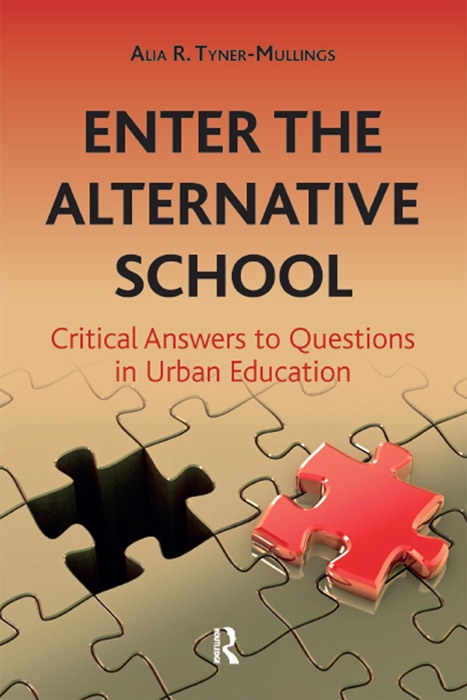
As we near the end of another year, it’s time for many people to start thinking about annual reviews and reevaluations. This process is particularly important in alternative schooling and education, where students often have more control over their learning experience.
Annual reviews and reevaluations provide an opportunity to reflect on progress made over the past year, set new goals for the upcoming year, and identify areas that need improvement. It’s a chance to take a step back and assess what has been working well and what needs to change.
For students in alternative schooling programs, this process can be especially valuable. These programs often emphasize self-directed learning, so it’s important for students to regularly evaluate their progress toward their goals. Annual reviews also give them an opportunity to share feedback with their teachers or mentors about what they’ve found helpful or challenging during the past year.
One key benefit of annual reviews is that they help ensure that students are making meaningful progress toward their goals. Without regular check-ins, it can be easy for students (and teachers) to lose sight of why they’re doing what they’re doing. By taking time each year to review progress and adjust course as needed, students can stay focused on their objectives.
Another benefit of annual reviews is that they encourage reflection and self-awareness. When students take time to assess their own strengths and weaknesses, they become more mindful learners who are better equipped to make informed decisions about how best to approach new challenges.
In addition to reflecting on individual progress, annual reviews can also be used as a way for schools or programs as a whole to evaluate how effective their approaches are at supporting student success. By analyzing data from multiple sources (such as test scores or surveys), educators can identify areas where improvements could be made across all learners.
Of course, conducting an effective annual review requires careful planning and execution. Students should be given clear guidelines on what information needs to be collected ahead of time (such as grades, test scores, or portfolios), and should be given guidance on how to interpret that data. They should also have access to resources (such as mentors or academic advisors) who can help them set realistic goals for the upcoming year.
It’s also important to ensure that students feel empowered throughout the process. Annual reviews should not be punitive; instead, they should be framed as a positive opportunity for growth and improvement. Students should feel supported in their efforts to develop new skills and overcome challenges.
In conclusion, annual reviews and reevaluations are essential components of alternative schooling and education programs. By regularly assessing progress and setting new goals, students can stay focused on their objectives while developing greater self-awareness and mindfulness. Effective annual reviews require careful planning and execution, but the benefits they offer are well worth the effort.
 Alternative Amie
Leave a comment