Wilderness Survival Skills Training: A Guide to Alternative Education
Learning wilderness survival skills is a great way to develop self-sufficiency and build resilience. Whether you are an outdoor enthusiast, a prepper, or just someone who wants to feel more confident in the wild, there are plenty of opportunities for you to learn these essential skills.
One option for wilderness survival training is through alternative education programs. These programs offer hands-on experiences, real-world scenarios, and immersive learning environments that can help students gain practical knowledge and experience in survival situations.
Here are some common topics covered in wilderness survival skill training:
1. Shelter Building
Building shelter is one of the most important skills in any survival situation. Instructors teach students how to construct shelters using natural materials such as branches, leaves, and bark. They also cover techniques for creating fire pits and insulation from the elements.
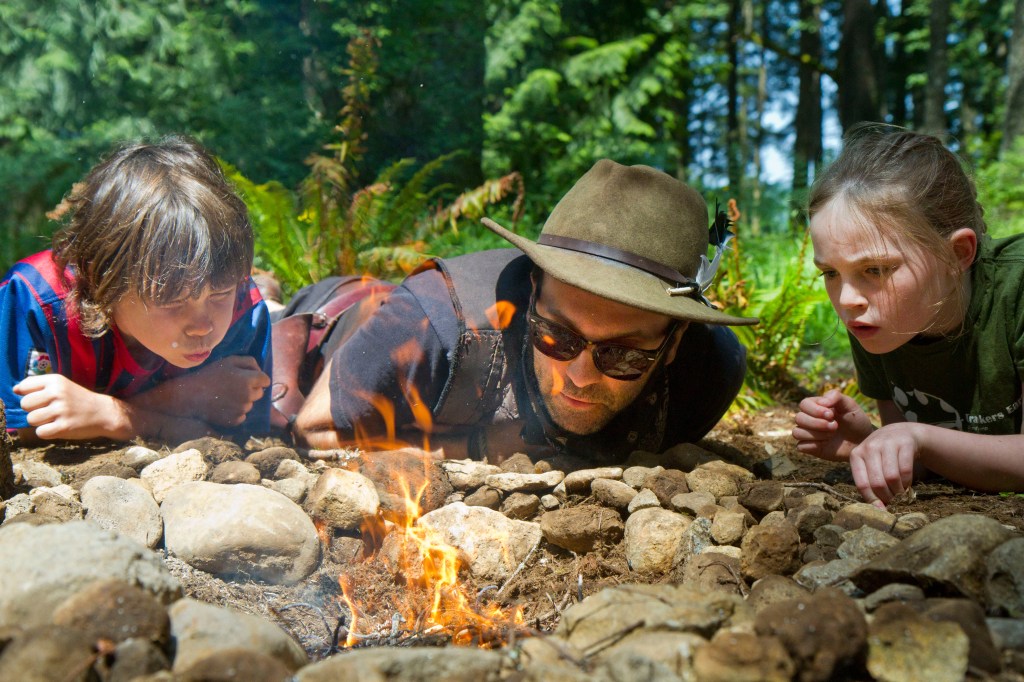
2. Fire Starting
Fire starting is another crucial skill that can mean the difference between life and death in certain circumstances. Students learn different methods of starting fires without modern tools like matches or lighters – including friction-based methods (such as bow drilling), flint-and-steel methods, and solar methods.
3. Water Collection & Purification
Water collection and purification are essential when it comes to surviving outdoors since dehydration can quickly become fatal. Students learn how to collect water from various sources (such as streams or rainwater) before purifying it with techniques like boiling or chemical treatment.
4. Navigation & Orienteering
Navigation skills allow individuals to find their way out of unfamiliar terrain if they get lost – which could be critical if they’re injured or stranded somewhere remote without help nearby! Techniques taught include map reading, compass use, GPS navigation practice (if possible), tracking wildlife signs among others.
5. Hunting & Gathering Food
Hunting/gathering food also plays a significant role in wilderness survival training since it’s necessary not only for physical sustenance but also for mental well-being. Instructors teach students how to identify edible plants and animals, how to make simple traps or snares, and basic hunting techniques (if the laws permit).
6. First Aid
Finally, first aid is a critical skill that can be taught as part of any wilderness survival course. Students learn how to recognize and treat common injuries such as cuts & bruises, fractures, hypothermia/hyperthermia among others.
In conclusion, Wilderness Survival Skills Training provide an excellent opportunity for alternative education learners seeking hands-on experience in outdoor scenarios. The skills they acquire enable them to become more self-sufficient and ready for challenges they may face while exploring nature’s beauty in their future adventures.
 Alternative Amie
Leave a comment