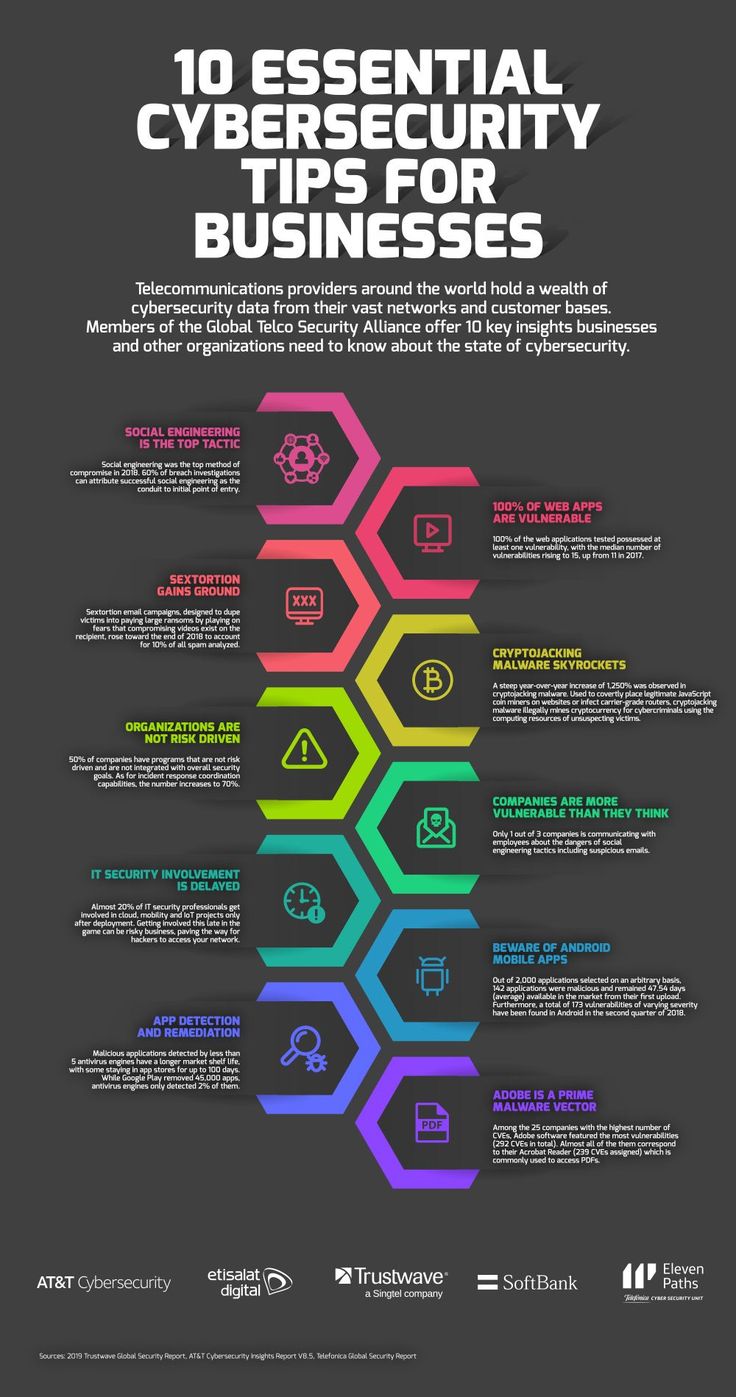
Cybersecurity: A Guide for Alternative Schooling and Education
In our increasingly digital world, cybersecurity has become a top priority. With so much information now stored in the cloud and shared online, it’s more important than ever to protect ourselves from cyber threats. This is especially true for alternative schooling and education programs, which often rely on technology to connect with students and deliver content. In this guide, we’ll cover some of the basics of cybersecurity and provide tips on how to keep your program safe.
What is Cybersecurity?
At its most basic level, cybersecurity refers to measures taken to protect computer systems from unauthorized access or attack. This can include everything from securing passwords to installing firewalls that block malicious traffic.
Why is Cybersecurity Important?
The consequences of a cyber attack can be devastating – not just for individuals but also for organizations like alternative schooling and education programs. Hackers can steal sensitive data, compromise student privacy or even cause system-wide shutdowns that disrupt learning.
Basic Tips for Cybersecurity
1) Use Strong Passwords: The first line of defense against cyber attacks is a strong password. Make sure passwords are at least 8 characters long with a mix of upper- and lowercase letters, numbers, and symbols.
2) Keep Software Up-to-Date: One way hackers gain access to systems is by exploiting vulnerabilities in old software versions. Regularly updating operating systems and applications prevents these types of attacks.
3) Install Antivirus Software: Antivirus software protects against malware that could infect your system or allow hackers unauthorized access.
4) Use Two-Factor Authentication: Two-factor authentication requires users to enter both a password plus an additional verification step such as an SMS code sent via text message or biometric identification (fingerprint/ facial recognition).
5) Back-Up Your Data Regularly: In case your system gets compromised due to any reason it’s always good practice have backup files ready so you don’t lose all your important data.
Advanced Tips for Cybersecurity
1) Conduct Regular Security Audits: Stay on top of security risks by conducting regular audits to identify vulnerabilities and areas that need improvement.
2) Use Encryption: Encryption is a process of converting data into code to prevent unauthorized access. Ensure you use encrypted messaging tools like Signal or WhatsApp in order to keep communications secure from hackers.
3) Limit Access: Not everyone needs access to every part of your system. Limiting access based on job responsibilities is an easy way to minimize risk.
4) Train Staff and Students About Cybersecurity: Educate staff and students about best practices for cybersecurity, such as avoiding suspicious emails and creating strong passwords.
5) Plan for the Worst: Have a plan in place in case something does go wrong. This could include having backups ready or knowing who to contact for technical support if there’s a breach.
Conclusion
Cyber threats are real, but they can be managed with proper planning and preparation. By following these basic tips, alternative schooling programs can take steps towards securing their systems – protecting themselves, their students, and their sensitive information from cyber attacks. Remember that cybersecurity is an ongoing process; it requires vigilance and regular attention in order to stay effective over time.
 Alternative Amie
Leave a comment