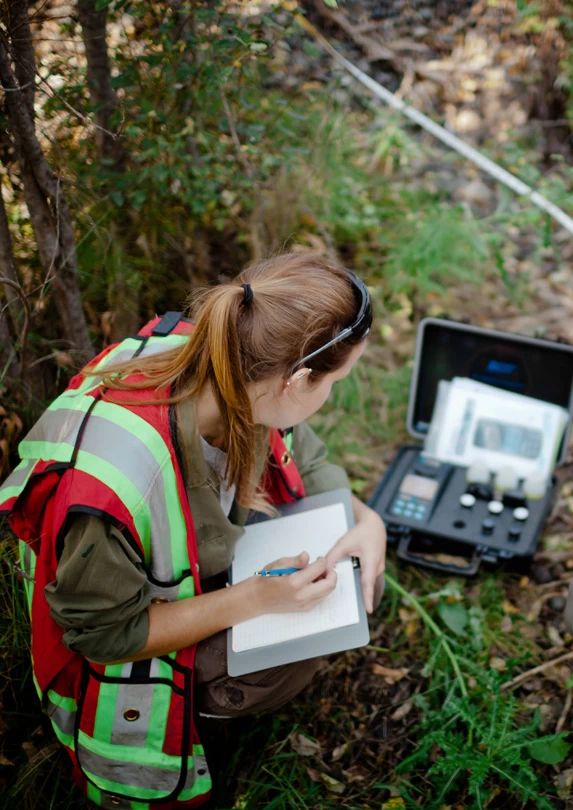
In recent years, environmental science and engineering have become increasingly important in our world. As we continue to face issues such as climate change, pollution, and habitat destruction, the need for trained professionals who can tackle these problems grows even more pressing.
Environmental science is a field that encompasses many different areas of study, including biology, chemistry, physics, geology, and ecology. It looks at how living organisms interact with each other and their environment and seeks to understand how human activities impact the natural world.
One of the key goals of environmental scientists is to find ways to reduce our negative impact on the planet. This might involve developing new technologies that use fewer resources or emit less pollution. It could also mean finding ways to encourage people to adopt more sustainable behaviors or designing policies that protect wildlife habitats.
Meanwhile, environmental engineers focus on designing solutions to specific environmental problems. They work on projects like developing cleaner energy sources or designing systems for treating wastewater before it’s released into rivers or oceans.
Both fields require extensive knowledge of scientific principles as well as creativity and problem-solving skills. Environmental scientists must be able to think critically about complex ecological systems while also keeping up-to-date with emerging technologies and trends in sustainability.
Likewise, environmental engineers must be able to design effective solutions that are both safe and cost-effective. They often work closely with other professionals like architects or city planners in order to create integrated solutions that take into account factors like space limitations or local regulations.
One thing that makes this field so exciting is the wide range of career paths available within it. Graduates can go on to work in academia doing research or teaching courses related to environmental science/engineering. Alternatively they may choose careers working for government agencies as regulators who ensure compliance with laws protecting air/water quality; non-profit organizations focused on sustainability advocacy; private companies dedicated entirely towards green business practices which include recycling or renewable energy production among others?
Here are just a few examples:
1) Environmental consulting: Many companies hire environmental consultants to help them develop and implement sustainability strategies. These professionals might work with clients to identify areas where they can reduce waste, improve energy efficiency, or implement new technologies that are more environmentally friendly.
2) Waste management: Another option is working in the field of waste management. This could involve designing systems for recycling or composting, developing new methods for handling hazardous materials, or finding ways to reduce the amount of waste produced by cities or businesses.
3) Renewable energy: Those who are passionate about clean energy may choose a career in renewable energy production. This could include designing solar panels, wind turbines, or other devices that generate electricity without relying on fossil fuels.
4) Water resources: Water resources engineers focus on developing solutions related to water quality and availability. They might design systems for treating wastewater so it can be safely returned to rivers or oceans, develop technologies for desalinating seawater so it can be used as drinking water; track groundwater levels in order to prevent over-pumping; etc.
5) Sustainability advocacy: Finally, many professionals choose careers focused entirely on sustainability advocacy. These individuals work for non-profit organizations dedicated towards protecting natural resources such as forests & wildlife habitats while also promoting sustainable living practices among communities worldwide.
One thing that’s important to note is that environmental science/engineering jobs often require extensive education and training. Most positions require at least a bachelor’s degree in a related field like biology/chemistry/environmental engineering before applicants will even be considered eligible candidates? More specialized positions may require additional certifications as well.
However, despite this requirement there are plenty of reasons why pursuing a career in this field is worth considering:
1) Meaningful work: One of the most rewarding aspects of working in environmental science/engineering is knowing that you’re making a difference every day towards protecting our planet from harm. Whether you’re designing cleaner energy sources or working on conservation projects aimed at preserving endangered species, you can take pride in knowing that your work is making a positive impact on the world.
2) Job security: As concerns about climate change and environmental destruction continue to grow, demand for professionals trained in this field will likely only increase. This means there should be plenty of job opportunities available for those who choose to pursue careers in environmental science/engineering.
3) Competitive salaries: Environmental science/engineering jobs often offer competitive salaries compared to other fields with similar educational requirements. This makes it a great option for those who want to earn a good living while also doing meaningful work that they’re passionate about.
4) Opportunities for growth: Because this field is constantly evolving as new technologies and solutions emerge, there are always opportunities for growth and advancement within it. Professionals can stay up-to-date with emerging trends by attending conferences or pursuing continuing education courses; likewise they may seek out leadership positions within their organizations or start their own consulting firms dedicated towards sustainability advocacy?
Overall, environmental science/engineering is an exciting and rewarding field that offers plenty of opportunities for those who are passionate about protecting our planet from harm. Whether you’re interested in working on conservation projects focused on preserving endangered species or developing new technologies aimed at reducing pollution emissions, there’s sure to be a career path waiting for you in this dynamic industry.
 Alternative Amie
Leave a comment