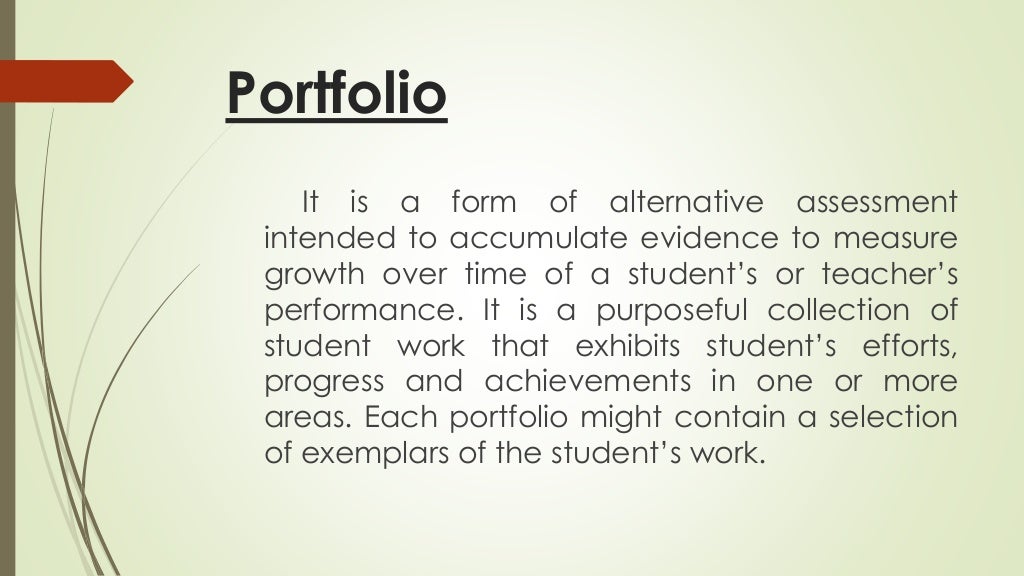
Portfolio assessment is an effective way to evaluate student learning and progress. It allows educators to gather evidence of student achievement over time, including a range of skills and knowledge acquired through different educational experiences. In this tutorial-style post, we will explore the key components and benefits of portfolio assessment.
What is Portfolio Assessment?
Portfolio assessment involves collecting samples of students’ work over time, such as projects, assignments, tests, essays, artwork or other creative works. These samples are then evaluated against specific criteria set by the teacher or school district. The goal is to provide a more comprehensive understanding of what students know and can do in relation to these criteria.
There are several types of portfolios that educators use for assessment purposes:
– Showcase portfolios: These portfolios showcase students’ best work in one subject area or across multiple subjects.
– Process/progress portfolios: These portfolios document the process that students go through while learning. They may include drafts, notes from conferences with teachers or peers, self-reflections on their learning journey and revisions made along the way.
– Evaluation/assessment portfolios: These portfolios contain examples of student work that demonstrates how well they have met specific standards or competencies.
Benefits Of Portfolio Assessment
1) Comprehensive view of student growth: With portfolio assessments, educators can collect data from multiple sources over time to gain a better understanding about each individual’s progress towards their goals. This method provides a more complete picture than traditional assessments like quizzes and exams which measure only one aspect (knowledge retention).
2) Encourages reflective practice: Portfolio assessments require students to reflect on their own learning process which promotes active engagement with course material beyond simple memorization.
3) Personalized Learning Experience: By allowing learners flexibility in choosing what they want included within the portfolio helps them build ownership for their own education.
4) Enhanced Parental Engagement: Portfolios allow parents/guardians insight into their child’s education beyond just report cards encouraging them to engage in conversations about the student’s progress.
Designing and Developing Portfolio Assessments
When planning to use portfolio assessment, there are several things that educators should consider:
1) Determine the purpose: The first step is to determine what aspect of student learning will be assessed using this method. Educators should identify specific criteria or standards that their students need to meet.
2) Select appropriate samples: After identifying criteria, teachers should select a variety of work samples from each student that demonstrate how well they have met these criteria. Teachers can provide guidance on which pieces would best fit into the portfolio.
3) Establish timelines and procedures: Teachers must establish timelines for collecting, organizing and evaluating portfolios in order to ensure they do not become overwhelming. Additionally, it’s important to clearly communicate expectations with students so they know when assignments are due and how often assessments will be conducted.
4) Provide feedback: Following data collection and review, it’s important for teachers to provide feedback on areas where students did well while also highlighting areas needing improvement. This helps learners understand their strengths as well as areas requiring further development.
5) Involve Students in Self-Reflection – It is essential that students reflect on their own growth through this process by answering questions such as “What did I learn?” or “What could I improve upon?”
Conclusion
Overall, portfolio assessment presents an innovative approach towards assessing student progress beyond traditional testing methods like quizzes or exams. Through thoughtful design combined with collaboration between both teachers and learners alike; this unique style can foster deeper engagement within course material leading ultimately to more personalized learning experiences tailored specifically for every individual enrolled within your classroom setting. While implementing such methodology may take some time initially getting everything set up properly – results obtained from its usage prove themselves worthy long-term investments towards providing richer educational opportunities overall!
 Alternative Amie
Leave a comment