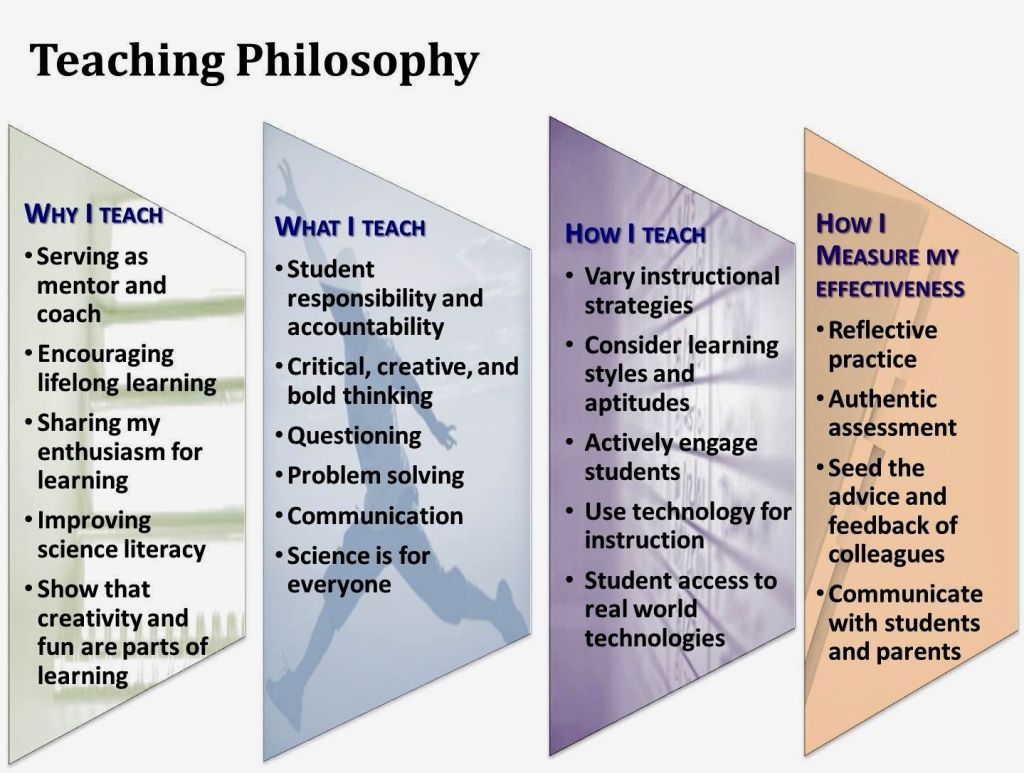
Q: What is philosophy and why is it important in education?
A: Philosophy, from the Greek word philosophia meaning “love of wisdom,” is a systematic study of fundamental questions regarding existence, knowledge, values, reason, mind and language. It helps individuals develop critical thinking skills and encourages them to question assumptions and beliefs. In education, philosophy plays an essential role as it guides educators in their decision-making processes.
Philosophy enables educators to define their objectives clearly by providing a framework for understanding the nature of knowledge and learning. It also helps teachers understand how students learn and what motivates them to learn. By examining different theories of learning, such as constructivism or behaviorism, teachers can create appropriate lesson plans that cater to individual student needs.
Moreover, philosophy provides educators with tools that enable them to think critically about educational policies and practices. For instance, through philosophical inquiry methods like Socratic questioning or reflective thinking exercises, teachers can challenge their own beliefs about teaching techniques or classroom management strategies.
One significant area where philosophy has had an impact on education is curriculum development. Philosophers have been instrumental in developing curricula that encourage interdisciplinary studies while fostering creativity and innovation among students.
Another way that philosophy impacts education is through ethics. Teachers are expected not only to provide quality instruction but also be role models for good behavior. Ethical considerations arise when dealing with issues such as grading policies or disciplinary actions against students who violate school regulations.
Furthermore, philosophy allows educators to examine societal norms critically. For example, philosophers may question whether standardized testing truly measures a student’s academic ability accurately or if grades are truly indicative of a student’s performance level compared to others’ performances within the same class.
In conclusion, Philosophy plays an integral part in education by guiding both learners’ thoughts on fundamental inquiries related to existence; knowledge; reasoning; mindsets; values; language use while helping instructors make informed decisions about instructional design/teaching methodologies based on their understanding of learning strategies. It also enables educators to evaluate curricula, classroom practices, and ethical applications critically. Therefore, incorporating philosophy into education is essential for developing critical thinking skills in both students and teachers alike.
 Alternative Amie
Leave a comment