As the traditional model of schooling becomes increasingly outdated, more and more parents are turning to alternative forms of education for their children. One such approach that has been gaining popularity in recent years is unschooling.
Unschooling is a philosophy of education that centers around the idea that children should have complete control over their own learning. Rather than following a structured curriculum or attending classes at set times, unschoolers are free to pursue their own interests and passions in whatever way they see fit.
At its core, unschooling is based on the belief that children are naturally curious and motivated learners who will thrive when given the freedom to explore and discover on their own terms. By allowing them to follow their own interests and passions, unschoolers believe that children will develop a deep love of learning that will stay with them throughout their lives.
Of course, this can be a daunting prospect for many parents who may worry about whether their child will receive an adequate education without a formal curriculum or structure in place. However, proponents of unschooling argue that by trusting in your child’s natural instincts and providing them with plenty of resources and opportunities to learn, you can create an environment where they are able to thrive intellectually.
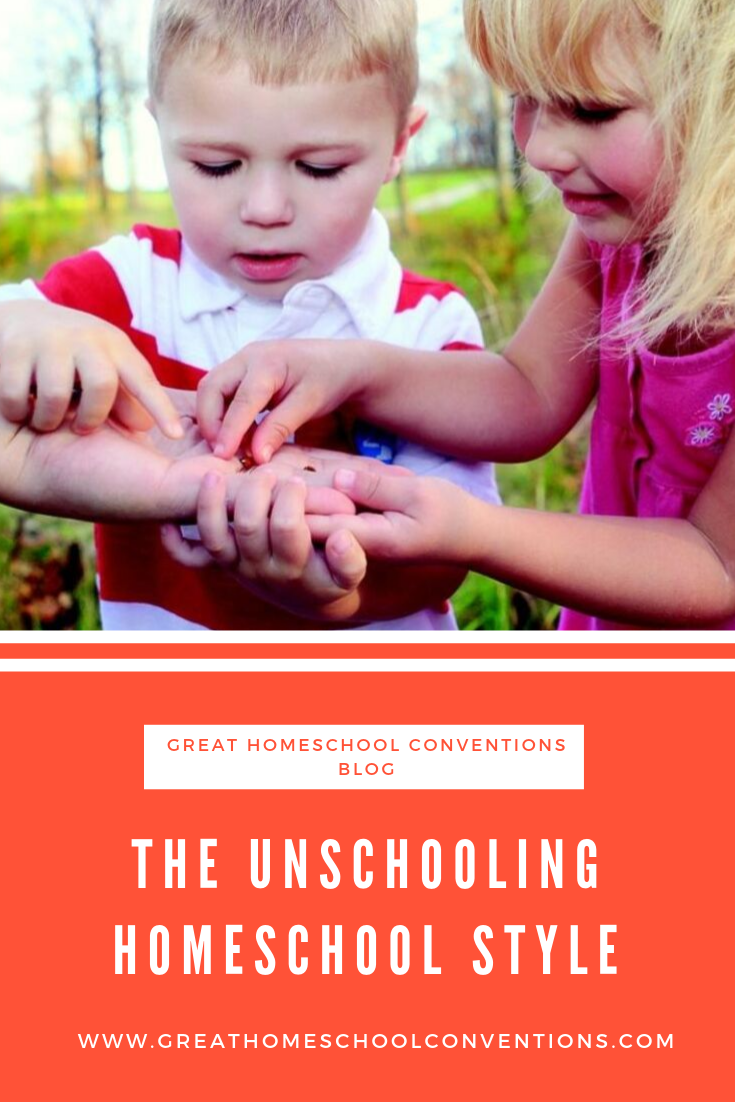
So how does it work in practice? Well, unlike traditional schooling which typically involves sitting at desks for hours each day listening to lectures or completing worksheets, unschooling encourages children to learn through hands-on experiences and real-life situations. For example, if your child is interested in science, you might take them on field trips to local museums or nature reserves where they can explore different scientific concepts firsthand.
Similarly, if your child enjoys reading about history or literature you might encourage them to join book clubs or attend workshops where they can discuss these topics with other like-minded individuals. The key is not so much what your child learns but rather how they learn it – by following their natural curiosity and interests rather than being forced into a rigid curriculum.
Of course, this doesn’t mean that unschoolers are completely without structure or guidance. Many families who practice unschooling still have daily routines and structures in place to help their children stay on track and make the most of their time. For example, you might set aside a specific time each day for your child to work on independent projects or provide them with access to educational materials like textbooks or online courses.
One of the biggest advantages of unschooling is that it allows children to develop a deep sense of autonomy and responsibility over their own learning. Rather than relying on external motivators like grades or rewards, unschoolers are taught to take ownership of their education and pursue their interests out of a genuine desire to learn.
This can be incredibly empowering for children as they learn that they have the ability to shape their own lives through hard work and dedication. Additionally, by allowing them the freedom to explore different topics at their own pace, unschooling can help foster a love of learning that lasts long after childhood has ended.
Of course, there are also potential drawbacks to consider when it comes to unschooling. Without traditional measures like grades or diplomas, some parents may worry about how well-prepared their child will be for college or future careers. However, many colleges and universities now accept homeschooled students based on alternative forms of assessment such as portfolios or interviews rather than traditional transcripts.
Furthermore, studies have shown that homeschooled students actually perform better academically than those in traditional schools – suggesting that alternative forms of education like unschooling may actually offer significant benefits compared with more conventional approaches.
Ultimately whether you choose to embrace an approach like unschooling will depend largely on your personal beliefs about education and what you feel is best for your child’s development. However, if you’re open-minded about exploring new approaches then it’s certainly worth considering this innovative approach which puts children firmly in control of their own learning journey.
 Alternative Amie
Leave a comment