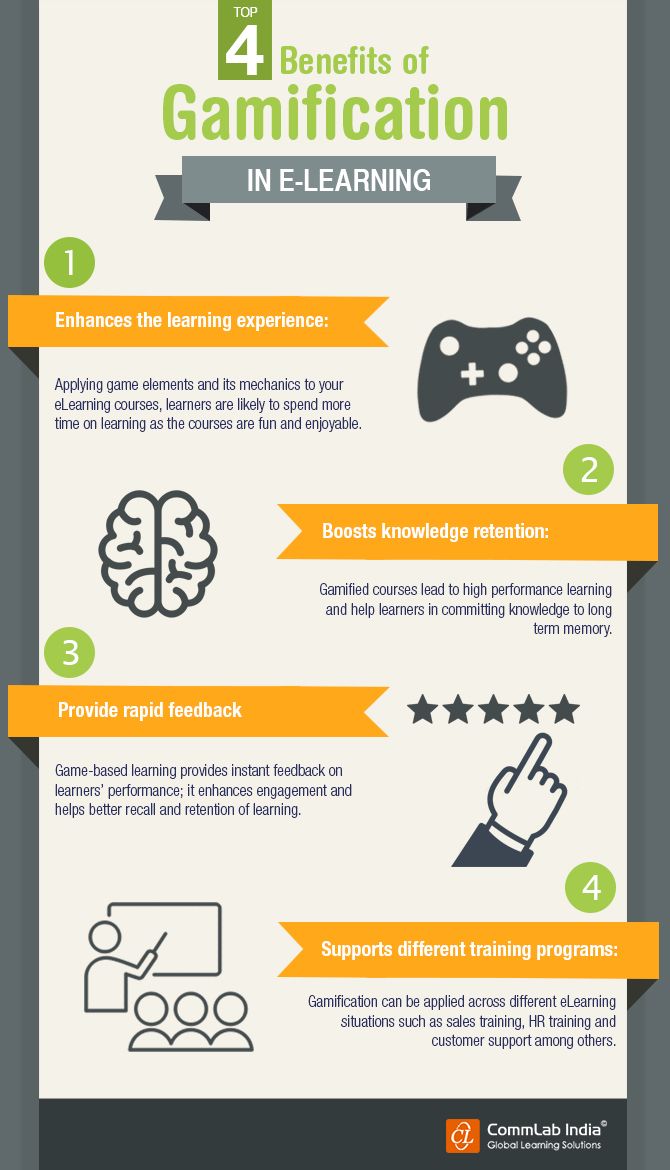
Gamification in Education: 8 Ways to Make Learning Fun
Education doesn’t have to be boring. Gamification, the practice of using game design principles in non-game contexts, has been gaining popularity as a way to make learning more engaging and enjoyable. Here are eight ways gamification can be used in education:
1. Introducing competition – One simple way to make learning more fun is by introducing friendly competition among students. This can come in many forms such as class-wide games or individual challenges that incentivize learners with rewards.
2. Incorporating points and badges – By awarding points for achieving certain goals or completing tasks, students will feel motivated to keep playing and learning.
3. Using storytelling elements – Storytelling is a powerful tool for capturing attention and making material more relatable and memorable for learners.
4. Creating quests- Quests offer an immersive experience where students receive instructions on what they need to accomplish next while working towards an ultimate goal.
5. Turning lessons into games – Games naturally appeal to people’s desire for play, so turning lessons into games makes them less daunting and more entertaining.
6. Applying leaderboards – Leaderboards help track progress against other participants providing motivation along the way.
7. Providing instant feedback – Immediate feedback helps reinforce learning outcomes while keeping the learner engaged throughout their study sessions.
8. Giving students control – Allowing learners some degree of control over their own education makes it easier for them to stay interested because they feel invested in their progress.
Why Gamification Works?
The reason gamification works well in education is that it capitalizes on our natural human desires for play, achievement, social interaction, recognition, self-expression, and competition—all things we enjoy doing outside of school hours but often find lacking within traditional educational settings.
By incorporating these elements into the classroom setting through gamified activities like those listed above educators can inspire greater engagement from their pupils who might otherwise struggle with boredom or disinterest.
Additionally, gamification can help make learning more accessible to all learners regardless of their age or ability level. This is because it allows teachers to use a variety of different methods and techniques that cater to students’ unique needs, interests, and abilities.
In Conclusion
Gamification in education is an innovative way to engage students and enhance the learning experience. It offers educators the opportunity to create exciting new ways for learners to interact with course materials while also helping them develop important skills such as problem-solving, critical thinking, creativity, teamwork, communication and more.
By incorporating these eight tips into your educational approach through gamification you can help ensure your students stay motivated throughout their studies while having fun along the way!
 Alternative Amie
Leave a comment