Speech and language therapy is an essential aspect of education that focuses on helping students who have difficulties with communication. This type of therapy aims to improve a student’s ability to communicate effectively, express themselves clearly, and understand others better.
In this article, we are going to explore everything you need to know about speech and language therapy.
What is Speech and Language Therapy?
Speech and language therapy (SLT) is a type of therapy aimed at improving the communication abilities of individuals who have difficulty with speaking or understanding language. This may include people with developmental disorders such as autism spectrum disorder (ASD), cerebral palsy, hearing impairment, Down syndrome, or brain injuries due to accidents or illnesses like stroke.
The goal of SLT is not only to help individuals develop their spoken language skills but also support them in nonverbal communication methods like sign language, augmentative alternative communication (AAC), gesture use, etc. The therapist uses various techniques depending on the individual’s specific needs and goals.
Who Needs Speech and Language Therapy?
Speech and language therapy can be beneficial for anyone who struggles with communication. It ranges from children struggling with basic verbal expression skills like stuttering or articulation disorders to adults recovering from strokes or other neurological conditions that affect speech production.
Speech therapists work with people of all ages; however, most commonly seen clients are young children between the ages of 2-6 years old. Children referred for SLT often require intervention if they struggle with vocabulary development or using correct grammar structures while communicating ideas effectively.
Some common symptoms indicating an individual may need speech-language pathologist evaluation:
– Difficulty pronouncing certain sounds
– Using incorrect words in sentences
– Repeating phrases frequently
– Exhibiting a limited vocabulary
– Struggling when understanding spoken directions
What Does Speech And Language Therapy Involve?
The actual process involved in SLT varies based on the individual’s needs as well as age. However, there are some general steps that are commonly followed, including:
1. Assessment: The first step in speech and language therapy is an assessment to determine the individual’s strengths and weaknesses, their goals, and the best approach to take.
2. Treatment planning: After evaluating the individual’s needs, a therapist creates a personalized plan for them outlining specific targets based on their abilities.
3. Therapy sessions: During therapy sessions, therapists will work on developing communication skills through various techniques such as articulation exercises or playing games involving vocabulary building.
4. Progress tracking: The progress of individuals undergoing treatment is monitored regularly using different methods like standardized tests or observations of real-life interactions with others.
5. Ongoing support: Once a client completes initial treatment, they may need further assistance depending on their progress or regression over time.
Types of Speech And Language Disorders
There are many types of speech-language disorders that can be addressed through SLT intervention; these include:
1. Articulation Disorder – Difficulty pronouncing certain sounds correctly
2. Language Disorder – Difficulty understanding spoken language or expressing ideas coherently
3. Apraxia – A neurological disorder affecting motor control which results in difficulty coordinating muscle movements required for coherent speech production
4. Fluency Disorder/Stuttering – Difficulty speaking smoothly without interruptions like repeating words/sounds frequently or blocking while trying to speak out loud
5. Voice Disorders – Problems with voice quality such as hoarseness/weakness due to vocal cord damage/disease/injury from shouting/screaming etc., leading to difficulties communicating effectively.
Therapy Techniques Used In Speech And Language Therapy
The following are some common therapy techniques used by speech therapists during SLT sessions:
1) Articulation Therapy- This technique involves teaching clients how to produce correct sounds using modeling (imitating therapist), feedback (practice), repetition (reinforcement).
2) AAC(Augmentative Alternative Communication)- This method includes non-verbal communication through the use of pictures, sign language, or other alternative methods to help individuals with limited verbal expression abilities.
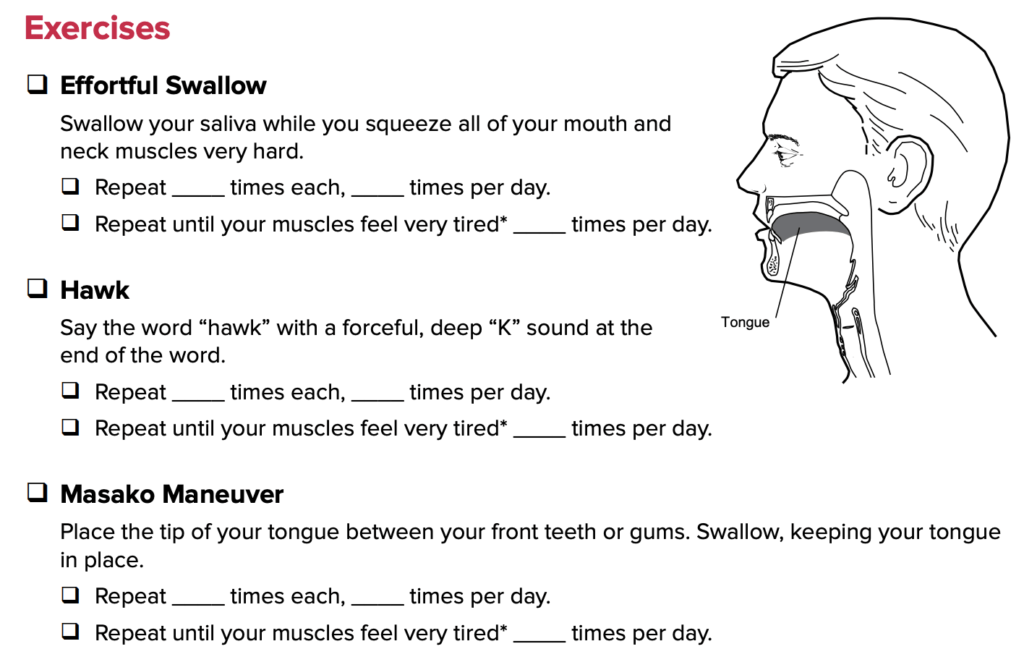
3) Oral Motor Exercises- These exercises focus on improving coordination between the lips, tongue, jaw and facial muscles required for speech production.
4) Language Intervention- This technique aims to develop cognitive skills like vocabulary building, sentence formation and comprehension by using strategies such as storytelling/reading books aloud/practice conversation in real-life situations.
5) Fluency-Shaping Therapy – This therapy focuses on developing fluency by modifying breathing patterns/speech rate and increasing awareness of stuttering behaviors while communicating effectively.
Benefits Of Speech And Language Therapy
1. Improved Communication Skills: The primary benefit of SLT is that it improves communication abilities in individuals who have difficulties expressing themselves verbally or understanding others’ messages. It enables them to express their thoughts more clearly and confidently while also enhancing their social interactions with others.
2. Enhanced Cognitive Abilities: Treatment focusing on language intervention helps improve cognitive functions like memory retention/recall ability which benefits academic performance beyond early childhood years as well
3. Boosts Self-esteem & Confidence: Individuals who have difficulty expressing themselves often feel embarrassed or ashamed; however, receiving treatment can boost their self-confidence and self-esteem significantly through consistent progress tracking showing positive outcomes over time
4. Improved Socialization Opportunities: Having clear communication skills means being able to participate actively in group conversations/activities without feeling isolated due to poor conversational abilities
Conclusion:
Speech-language therapy is a crucial aspect of education for children struggling with verbal expression skills or adults recovering from neurological conditions that affect speech production. By helping people overcome these challenges, they are better equipped to communicate effectively both socially and academically hence leading fulfilling lives overall despite any limitations they may face initially.
 Alternative Amie
Leave a comment