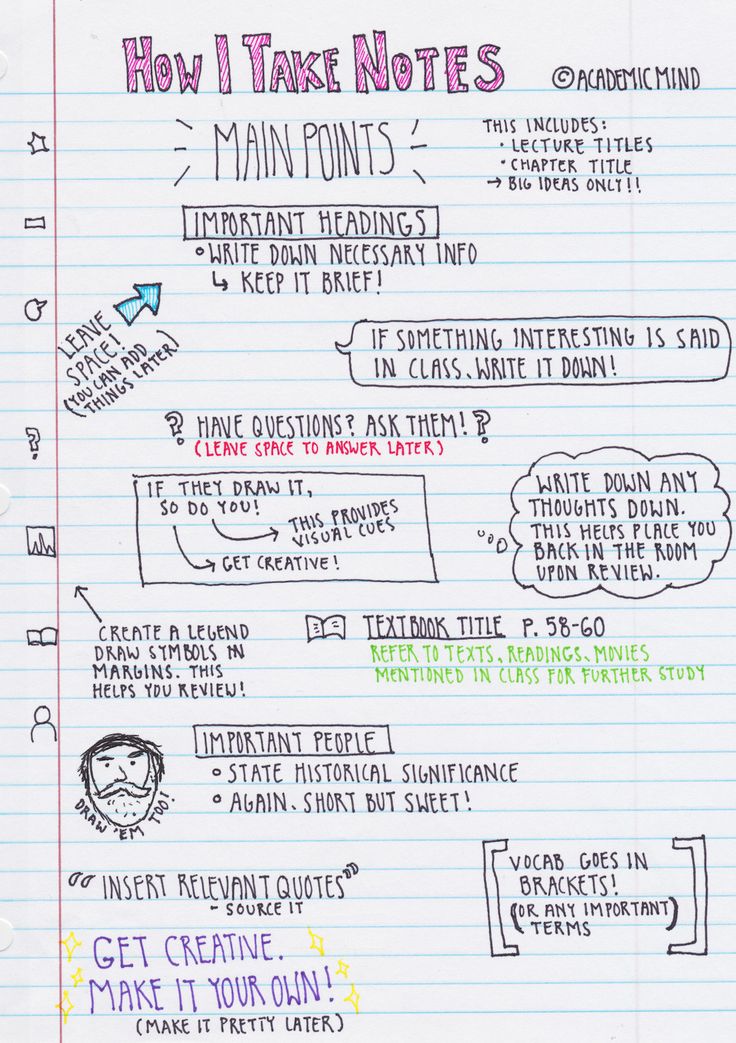
Note-Taking Strategies for Alternative Schooling and Education
Taking notes is an important skill for students, especially those in alternative schooling and education programs. Effective note-taking can help students retain information, organize their thoughts, and prepare for assessments. However, not all note-taking strategies work for everyone. In this interview-style post, we will explore different methods of note-taking with two experienced educators who have worked with alternative schooling and education programs.
Interviewee 1: Rachel Smith
Rachel Smith has been teaching at a Montessori school in New York City since 2012. She has a Master’s degree in Early Childhood Education from Bank Street College.
Interviewee 2: Michael Johnson
Michael Johnson is the founder of an online education platform that focuses on project-based learning. He has extensive experience working with homeschoolers and unschoolers.
Q: What are some effective note-taking strategies?
Rachel: One strategy that works well for younger students is drawing pictures or symbols to represent key concepts or ideas. This helps them remember information better than just writing words down.
Michael: Another strategy that works well for older students is the Cornell method of note-taking. This involves dividing your paper into three sections – one section for main ideas, another section for supporting details, and a final section for summarizing the material.
Q: How do you decide which note-taking strategy to use?
Rachel: It really depends on the student’s learning style and age level. For example, younger children may benefit more from visual aids while older children may prefer more structured methods like Cornell notes.
Michael: I agree with Rachel – it’s important to take into account individual differences when choosing a method. Some students may also benefit from experimenting with different strategies until they find what works best for them.
Q: Are there any disadvantages to certain note-taking methods?
Rachel: One disadvantage of using only drawings or symbols as notes is that it can be difficult to understand later on. It’s important to supplement visual aids with written notes as well.
Michael: Similarly, the Cornell method can be time-consuming and may not work for all students. It’s important to find a balance between structure and flexibility.
Q: How do you encourage students to take effective notes?
Rachel: One way is to model good note-taking yourself. Students are more likely to adopt strategies that they see their teachers using.
Michael: I also think it’s important to emphasize the importance of note-taking in class and how it can help them succeed academically.
Q: What advice do you have for parents who want to help their children with note-taking?
Rachel: Encourage your child to experiment with different methods until they find what works best for them. Also, make sure they understand why taking good notes is important.
Michael: Parents can also provide their children with tools like highlighters or sticky notes that can help them organize their thoughts while taking notes.
Q: How do you teach students how to take effective notes during virtual learning?
Rachel: During virtual learning, it’s especially important for students to stay engaged and focused. One way is by having them write down questions as they watch videos or listen to lectures – this helps keep them actively thinking about the material.
Michael: Another strategy is encouraging the use of digital tools like Google Docs or Evernote, which allow for easy organization and editing of notes.
Q: Can note-taking be adapted for project-based learning?
Rachel: Absolutely! Note-taking can be incorporated into any type of learning experience. For projects specifically, students could create mind maps or flow charts that detail their plans and ideas.
Michael: Project-based learning often involves collaboration, so group note-taking could also be an option where multiple people contribute ideas on one document.
Q: Are there any other benefits of effective note-taking besides retaining information?
Rachel: Yes, taking good notes can also improve critical thinking skills by helping students identify main ideas and supporting details.
Michael: Note-taking can also help with time management – if a student has well-organized notes, they can more easily find the information they need when it’s time to study for an assessment.
Q: Can note-taking be used in alternative assessments?
Rachel: Yes, note-taking can be especially useful in performance-based assessments where students are asked to demonstrate their understanding of a concept or skill.
Michael: For example, if a student is asked to create a video project that explains a scientific concept, they could use their notes to plan out the script and visuals.
Q: How do you evaluate the effectiveness of note-taking?
Rachel: One way is by looking at how well students perform on assessments. If they are able to recall important information and apply it correctly, their notes were likely effective.
Michael: Another way is by having students reflect on their own note-taking strategies and evaluate what worked well and what didn’t work so well.
Q: What resources would you recommend for learning more about effective note-taking?
Rachel: The Cornell method of note-taking has been widely researched and written about – there are many articles and books available that provide guidance on how to use this strategy effectively.
Michael: I would also recommend exploring digital tools like Evernote or OneNote which allow for easy organization of notes across devices.
In conclusion, effective note-taking is an essential skill for all students but can be particularly helpful for those in alternative schooling and education programs. By experimenting with different methods, modeling good habits, using digital tools when appropriate, parents and educators can help prepare students for academic success.
 Alternative Amie
Leave a comment