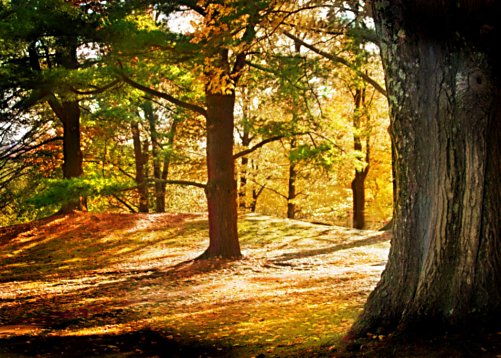
Alternative forms of education have been gaining traction over the years, as more and more parents realize that traditional schooling may not be the best fit for their children. One such alternative is Forest-based mentorship, a form of education that takes place in natural environments like forests, meadows, and other outdoor spaces.
Forest-based mentorship is a philosophy of learning that emphasizes nature connection and community building. It involves creating a safe space for learners to explore the outdoors and engage in activities that help them connect with their environment. Through guided exploration and hands-on experiences, learners develop skills in critical thinking, problem-solving, communication, creativity, resilience, empathy, self-awareness, and social responsibility.
The forest provides an ideal backdrop for this type of learning because it offers many opportunities for exploration and discovery. Learners can observe plants and animals up close; collect specimens to study; build shelters using natural materials; create art inspired by the environment; learn about ecology through games or role-playing activities; practice survival skills like fire-making or navigation; participate in group challenges or team-building exercises; reflect on personal growth through journaling or storytelling; and much more.
Moreover, forest-based mentorship encourages learners to take ownership of their learning process by setting goals based on their interests and abilities. Mentors act as facilitators rather than teachers: they provide guidance when needed but also allow learners to follow their curiosity and pursue projects at their own pace. This approach fosters intrinsic motivation and lifelong learning habits.
Another important aspect of forest-based mentorship is community building. By working together on tasks or projects that benefit both themselves and their surroundings (e.g., planting trees, cleaning up litter), learners develop a sense of belongingness to something larger than themselves. They also learn how to communicate effectively with others from diverse backgrounds (including different ages) while respecting each other’s opinions and needs.
Forest-based mentorship has many benefits for both children and adults who embrace this philosophy. Some of these benefits include:
– Increased physical activity and exposure to fresh air, which can improve overall health and well-being
– Enhanced creativity and imagination through unstructured playtime in natural settings
– Improved problem-solving skills by encountering real-life situations that require critical thinking
– Greater environmental awareness and appreciation for nature’s beauty and complexity
– Reduced stress levels due to the calming effects of being in a natural environment
– Development of social skills such as collaboration, empathy, communication, leadership, and conflict resolution
Overall, forest-based mentorship offers a unique approach to education that prioritizes holistic development over academic achievement. It provides learners with an opportunity to connect with their environment while developing essential life skills that are relevant in any context. By embracing this philosophy of learning, individuals can cultivate a deeper sense of purpose and meaning in their lives while contributing positively to society.
If you’re interested in exploring forest-based mentorship further, there are many resources available online or through local organizations that offer workshops or training programs for educators or parents who want to incorporate this approach into their own practice. Whether you live near a forested area or not, there are ways to bring nature into your learning environment and reap the benefits of this type of experiential education.
 Alternative Amie
Leave a comment