Philosophical Inquiry in Alternative Education
Alternative education places a strong emphasis on student-centered learning, critical thinking, and inquiry-based approaches. Philosophical inquiry is an integral part of this educational philosophy as it provides students with the tools to explore complex issues, think critically about them, and develop their own unique perspectives.
At its core, philosophical inquiry is the process of asking questions about fundamental concepts such as truth, justice, morality, and knowledge. Through philosophical inquiry, students learn how to analyze arguments and evidence while developing their own beliefs and values based on rational thought.
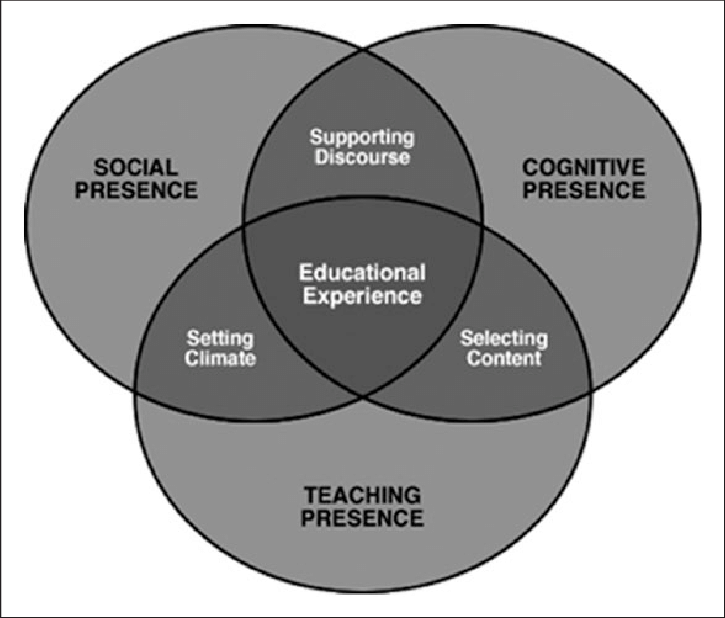
One approach to philosophical inquiry that has gained popularity in alternative education circles is called Community of Inquiry (CoI). CoI emphasizes collaboration between students and teachers as they work together to explore challenging questions through dialogue. By engaging in open-ended discussions that encourage diverse perspectives and respectful disagreement, students can develop a deeper understanding of complex issues.
Another popular approach to philosophical inquiry is P4C or Philosophy for Children. This method involves introducing children to philosophy at an early age by encouraging them to ask big questions about the world around them. By creating a safe space for exploration where all ideas are valued equally regardless of their source or originator’s status or identity – each child learns how to listen carefully before responding thoughtfully.
Regardless of the approach used, philosophical inquiry offers numerous benefits for alternative education students. It helps them develop critical thinking skills that will serve them well throughout life by teaching them how to question assumptions and evaluate evidence logically.
Furthermore, practicing philosophical inquiry improves creativity through expressing new ideas boldly without fear or judgment while also promoting empathy towards others who hold different views than one’s self which leads ultimately toward better communication skills when discussing controversial topics outside class settings too!
In conclusion:
Philosophical Inquiry serves as an essential tool for alternative education programs seeking student-centered learning opportunities focused on critical thinking skill development through exploratory conversations aimed at understanding complex issues from multiple angles while embracing diverse perspectives equally. By practicing philosophical inquiry, students can develop the skills and confidence necessary to navigate life’s challenges thoughtfully and effectively.
 Alternative Amie
Leave a comment