Adapting to Alternative Schooling and Education: A Critique
Alternative schooling and education are becoming increasingly popular for parents who want a different approach to their child’s learning. These schools offer unique programs that are tailored to the individual needs of the student, provide hands-on experiences, and promote creativity. While this type of education may seem ideal, it is important to consider its drawbacks as well.
One significant issue with alternative schooling and education is its lack of standardized curriculum. Since these schools do not follow a set curriculum, students may struggle when transitioning into traditional schools or higher education institutions. This can be especially problematic if they decide to pursue careers in fields that require specific knowledge or skills.
Another potential problem is the limited opportunities for socialization. Many alternative schools have small class sizes or even one-to-one instruction which can make it difficult for students to develop social skills and interact with peers. It’s important for parents considering alternative schooling options to ensure that there are ample opportunities for their children to engage with others in meaningful ways.
Furthermore, some alternative schools may have limited resources due to their size or funding limitations compared to traditional public or private schools. This could result in fewer extracurricular activities, fewer technology resources, less access to advanced courses such as AP classes, etc.
However, despite these potential drawbacks there are many benefits of alternative schooling that should be considered as well. For example:
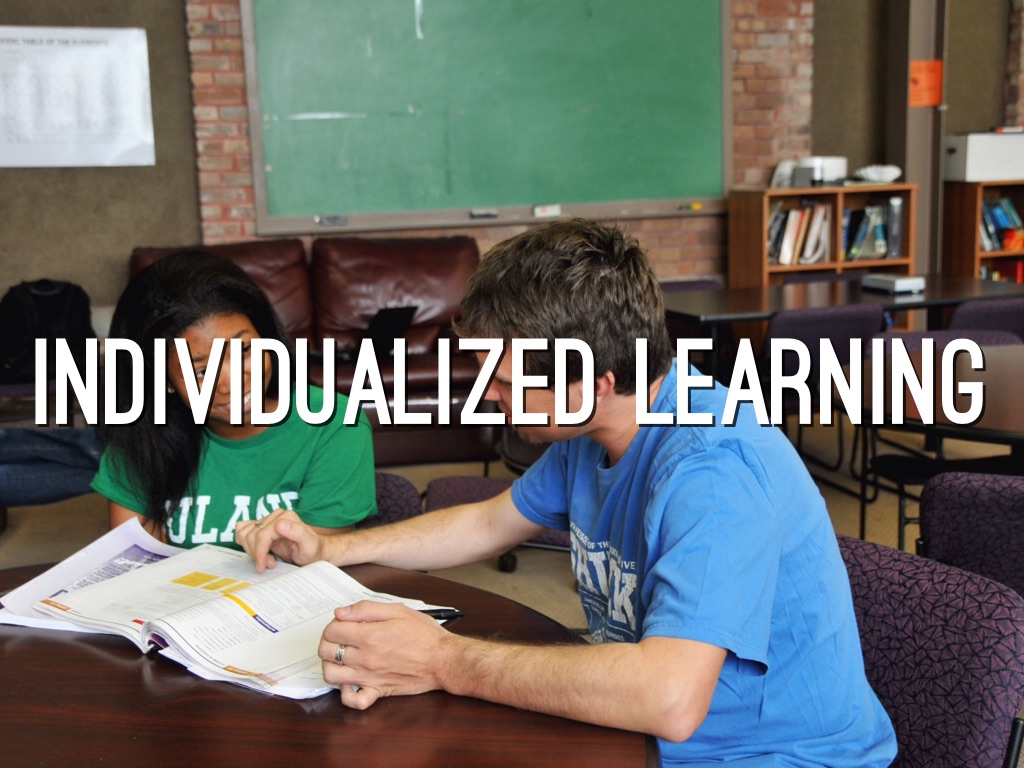
1) Personalized Learning – Alternative Schools offer personalized learning plans catered specifically towards each student’s needs which also means more individual attention on them from teachers.
2) Creative Curriculum – The curriculum designed by Alternative Schools facilitates exploration beyond textbooks and standard teaching methods making it interesting for learners who don’t thrive under conventional systems.
3) Flexibility – Some students need flexibility in schedules due to health conditions (mental/physical), sports activities or any other personal reasons which might not get accommodated by regular school schedules but can fit perfectly into alternative schooling.
4) Character Development – Alternative Schools not only focus on academic excellence, but also promote the development of good character traits such as empathy, kindness and respect for themselves and others.
In conclusion, adapting to alternative schooling and education can be a great option for some students. However, it is important to weigh the pros and cons before making a decision. Parents should research thoroughly before choosing an alternative school or program to ensure that it will meet their child’s needs academically, socially and emotionally.
 Alternative Amie
Leave a comment