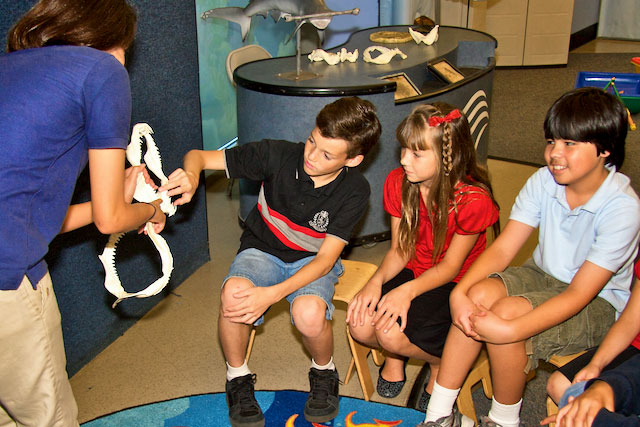
Aquariums are more than just a tank full of water and fish. They can be a place where children learn about the environment, science, and biology without even realizing it. Alternative schooling and education often relies on hands-on experiences to teach students about different concepts, which makes aquariums a perfect destination for field trips or class projects.
One of the most striking things about aquariums is how they offer an immersive experience that allows visitors to explore aquatic life up close. This interaction with sea creatures helps us understand their behavior patterns and how they interact with each other in their natural habitat. It also provides an opportunity for people to learn about different species of marine animals such as sharks, dolphins, whales, turtles, starfishes, octopuses among others.
Besides learning about marine life forms first-hand through observation at aquariums allows children to develop curiosity and critical thinking skills while exploring various topics such as habitats, ecosystems, food chains/webs among others. Aquarium exhibits often have interactive displays featuring information on animals’ adaptations for survival in different environments like coral reefs or deep-sea vents.
Another aspect of aquariums is that they provide an excellent platform for educating people about conservation efforts related to our oceans’ health. For instance, some exhibitions highlight the negative impact humans have had on aquatic life due to pollution from plastics or oil spills. Other exhibits educate visitors on sustainable fishing practices and ocean-friendly tourism activities that help preserve marine resources.
In addition to traditional exhibit spaces showcasing live animals and educational materials at aquarium centers offer various programming options designed explicitly for students ranging from pre-schoolers all through high school levels including workshops led by experts in fields such as marine biology or environmental science; summer camps focused exclusively on marine biology; internships opportunities providing practical training especially beneficial toward pursuing careers in the field.
Aquariums are also great places for families looking for fun outings together while still getting educated along the way! Many locations feature hands-on touch tanks where visitors can touch and feel the texture of different sea creatures or watch live animal feedings. Kids can participate in scavenger hunts or interactive games that teach them about marine biology, conservation efforts, and other topics.
Another aspect of aquariums is their role in scientific research on aquatic life forms. Many aquariums may have partnerships with universities or research institutions to conduct studies on specific species or ecosystems. These studies often help identify trends or threats to marine life, which informs conservation efforts and policy decisions.
Finally, aquariums sometimes offer outreach programs designed specifically for schools that cannot afford to visit in person. These initiatives include virtual tours and presentations from experts who share information about various aspects of marine biology and conservation without leaving the classroom.
In conclusion, Aquariums are an excellent resource for alternative schooling and education because they provide hands-on experiences that allow students to learn about marine life up close while having fun at the same time! With exhibits showcasing various aspects of aquatic environments such as habitats, food chains/webs among others coupled with educational programming options for all ages including workshops led by experts in fields like environmental science or summer camps focused exclusively on marine biology; internships providing practical training toward pursuing careers in this field; there’s something for everyone when it comes to exploring the world under our oceans’ surface!
 Alternative Amie
Leave a comment