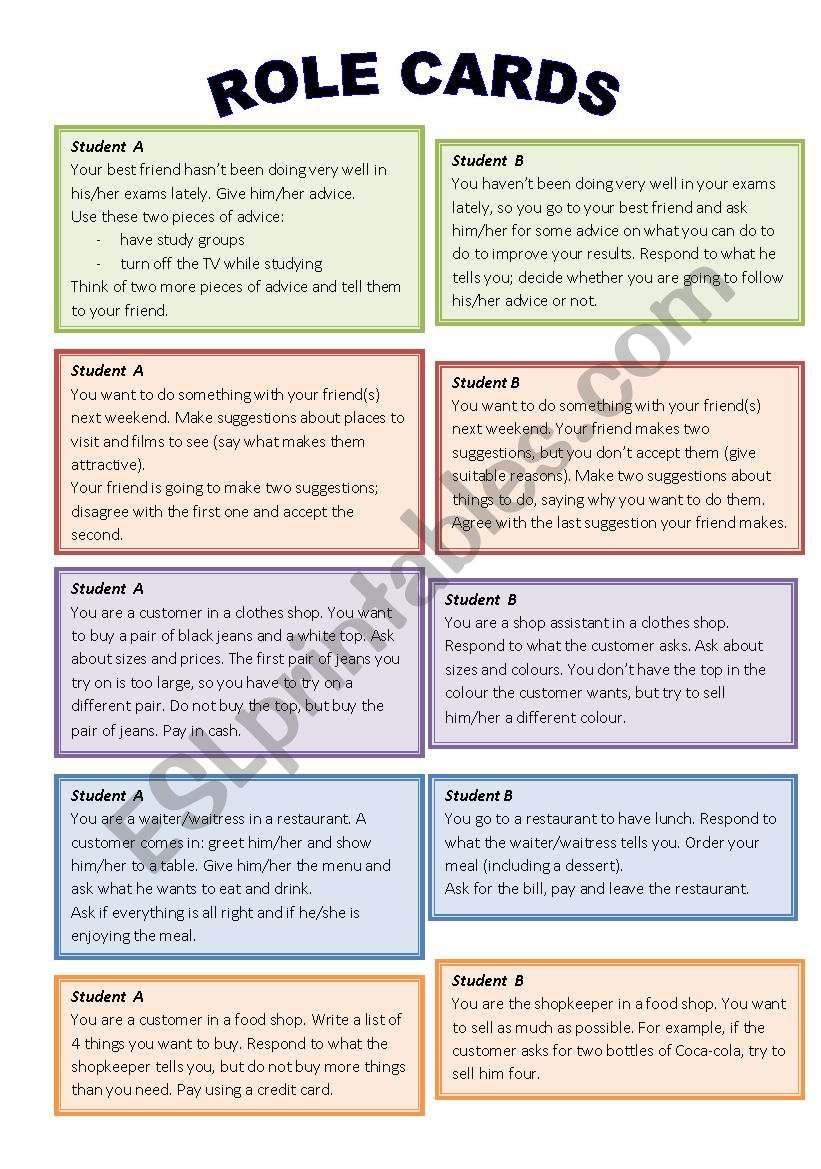
Are you tired of boring lectures and textbooks in traditional schooling? Do you want to learn while having fun? If so, then role-playing exercises might be the perfect fit for you!
Role-playing is an interactive learning activity where participants act out a situation or scenario in order to develop skills such as problem-solving, communication, and critical thinking. It’s a great way to make education more engaging and memorable.
In this post, we’ll explore some creative ideas for role-playing exercises that alternative schools can use to enhance their curriculum.
1. Historical Reenactments
History can often seem dry and uninteresting when presented through books or lectures. However, by taking on historical personas through role-playing exercises, students can gain a deeper understanding of events and people from the past.
For example, students could reenact the signing of the Declaration of Independence or act as abolitionists participating in the Underground Railroad. These types of activities not only offer an immersive experience but also promote empathy and perspective-taking.
2. Simulated Courtroom Trials
Law-related activities are always exciting because they involve drama and conflict. Mock trials are especially useful for teaching critical thinking skills since students must analyze evidence and construct arguments based on it.
One idea is to have students participate in simulated courtroom trials where they take on different roles such as attorneys, judges, witnesses or jurors. They could recreate famous cases like Brown v Board of Education or Roe v Wade or invent their own scenarios based on current events.
3. Business Scenario Role-Plays
Business simulations require participants to think creatively about how they would handle various business situations if they were managers/leaders/employees etc. This type of exercise helps develop problem-solving skills along with teamwork abilities which are crucial for success in any work environment.
Students could be put into teams with each team representing a company that just encountered an unexpected crisis (e.g., data breach). They would need to work together quickly under pressure using their knowledge of business tactics, strategy and communication in order to solve the problem before it causes too much damage.
4. Scientific Research Activities
Science classes can often be dry and theoretical, but using role-playing exercises can make them a lot more fun. Participants could take on roles as scientists or researchers who need to construct experiments in order to find solutions for real-world problems.
For example, students could act as doctors trying to develop a vaccine for a new virus outbreak or as environmentalists trying to prevent oil spills from damaging marine life. Not only do these simulations promote critical thinking but they also foster an appreciation for science by making it more tangible.
5. Cultural Exchange Programmes
Role-playing is also very effective when used in cultural exchange programs since it allows participants to better understand the perspectives and behaviors of people from other cultures.
Students could simulate being foreign exchange students experiencing life abroad with different customs and traditions than what they are used to at home. This activity would help teach empathy while promoting diversity awareness within schools’ curriculums that might not otherwise get exposure due factors such as geographic location or budget constraints.
6. Creative Writing Exercises
Role-play activities don’t always have to be based on historical events or current social issues; sometimes, they can just be about pure creativity!
Creative writing exercises involve participants taking on various characters/roles while crafting stories together using prompts provided by facilitators/instructors. These types of activities allow students’ imaginations run wild while honing creative writing skills such as character development, plot-building techniques etc., all in an interactive format which keeps learning engaging and enjoyable.
In conclusion, alternative schooling should focus on creating educational experiences that are both challenging and engaging for its diverse student body—role-playing exercises offer one way of doing this. By incorporating immersive scenarios into their teaching methods through role-play activities like those mentioned above (historical reenactments, simulated courtroom trials etc.) teachers will engage learners in a way that promotes critical thinking, empathy and creativity.
 Alternative Amie
Leave a comment