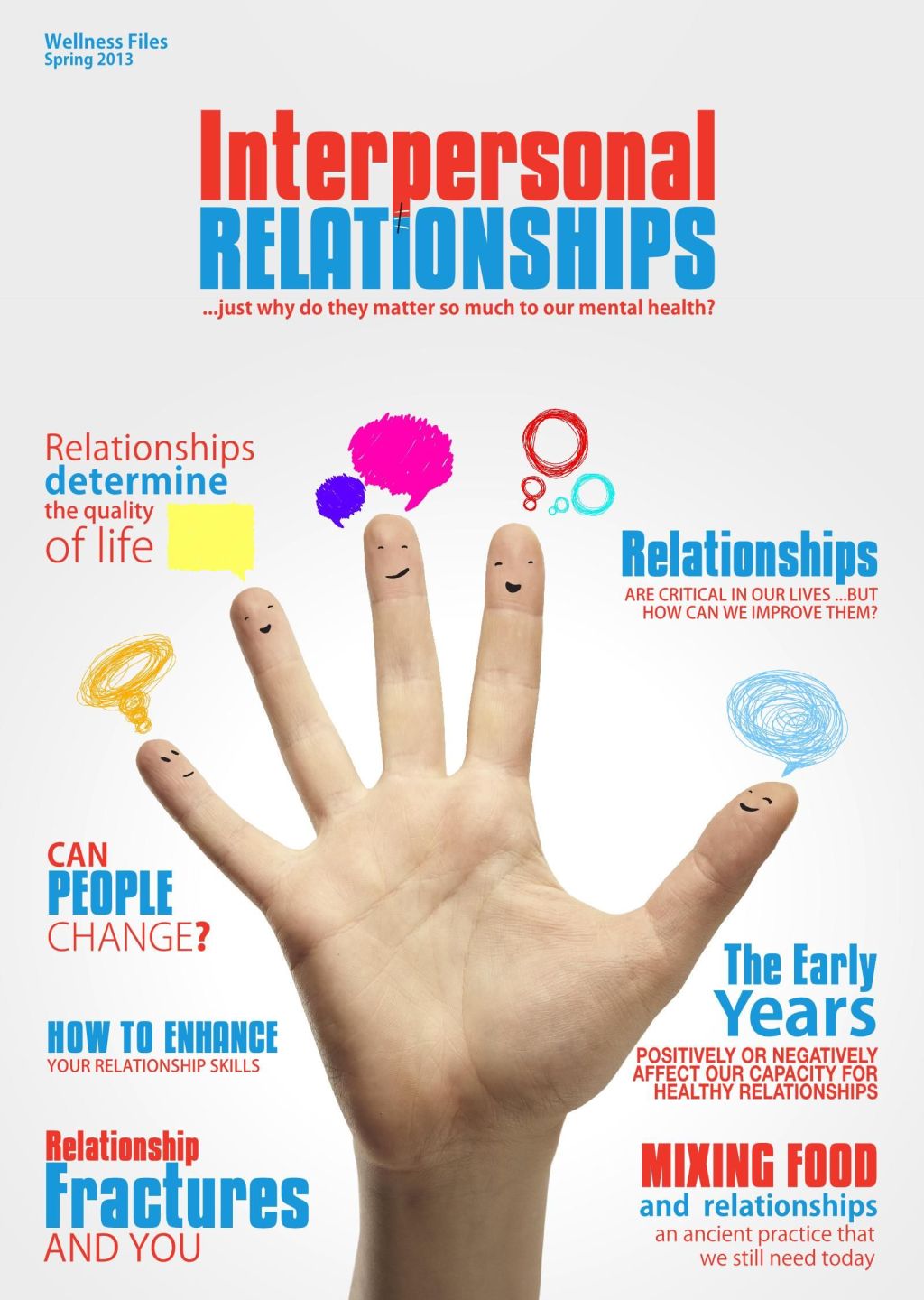
Interpersonal relationships are a critical aspect of our lives. They shape our experiences, influence our personalities and ultimately determine the quality of our lives. In alternative schooling and education settings, these relationships take on even greater significance as students often work closely with teachers and peers in a collaborative environment.
Here are some tips on how to navigate interpersonal relationships with humor:
1. Laugh at yourself
One of the quickest ways to improve your interpersonal relationships is by laughing at yourself. Humor can help us see things from different perspectives and reduce tension when things get awkward or uncomfortable.
If you make a mistake or say something silly, don’t be afraid to laugh it off and move on. By showing that you don’t take yourself too seriously, others will feel more comfortable around you.
2. Use humor to diffuse conflict
Conflicts are an inevitable part of any relationship, but they don’t have to be overly dramatic or serious affairs. The next time someone rubs you the wrong way or says something offensive, try using humor to diffuse the situation.
For example, if someone makes a snarky comment about your outfit, respond with a joke like “Well at least I’m not wearing socks with sandals!” This type of response shows that you’re not taking their comment too seriously while still addressing their concerns in a lighthearted manner.
3. Find common ground through shared interests
Another great way to build strong interpersonal relationships is by finding common ground through shared interests or hobbies. Whether it’s sports, music or art – connecting over mutual passions can help break down barriers between people who may have otherwise had trouble relating to one another.
For alternative schooling environments where students often come from diverse backgrounds and cultures – finding commonalities can create unity among different groups within the same community which fosters respect for diversity while promoting teamwork spirit necessary for successful collaboration.
4. Celebrate successes together
There’s no better way to foster positive interpersonal relationships than by celebrating successes together. Whether it’s a group project or individual achievement, taking the time to acknowledge and celebrate success can help build stronger bonds between peers and teachers.
In an alternative schooling environment, these celebrations provide opportunities for students to share their achievements with a supportive community while also building up confidence in their abilities and promoting healthy competition among peers.
5. Use humor to break down communication barriers
Communication is key to building strong interpersonal relationships, but sometimes language or cultural barriers can make it difficult to connect with others. Humor can be used as a universal language that transcends cultures and helps bridge communication gaps.
By using jokes or puns that are easy to understand across different languages or cultures – students from different backgrounds will feel connected even when they may not have much in common initially.
6. Embrace diversity with open-mindedness
Finally, one of the most important aspects of building strong interpersonal relationships is embracing diversity with open-mindedness. This means respecting differences in opinion, culture, religion and other values while still working towards shared goals within an alternative schooling setting.
When everyone feels valued for who they are – regardless of their background – then collaboration becomes more effective because each person brings unique perspectives which contributes positively towards achieving set objectives
In conclusion, humor is a powerful tool for improving interpersonal relationships. By laughing at ourselves, diffusing conflicts through humor sharing common interests together we create positive environments where individuals feel valued regardless of their background thus fostering respect for diversity and teamwork spirit necessary for successful collaboration within Alternative Schooling settings.
 Alternative Amie
Leave a comment