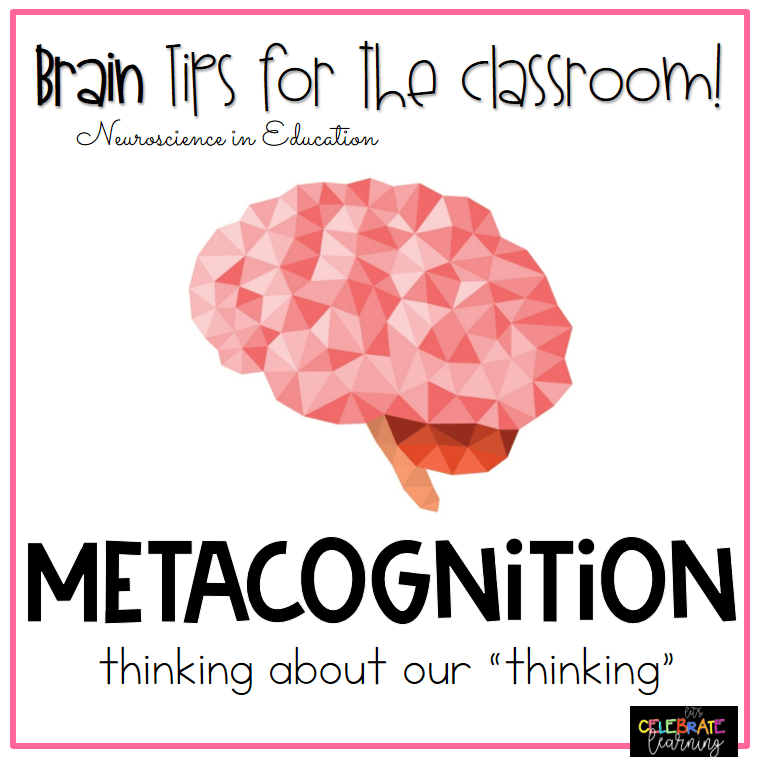
Metacognition is a concept that refers to the ability of individuals to think about their own thinking. It involves reflecting on your own thought processes, and being able to evaluate and adjust them as necessary. Self-reflection, on the other hand, is the act of examining one’s own thoughts, feelings, and behaviors in order to gain insight into oneself.
In alternative schooling and education, metacognition and self-reflection are important concepts because they promote lifelong learning and personal growth. By teaching students how to become more aware of their own thinking patterns, educators can help them develop critical thinking skills that will serve them well throughout their lives.
One way that schools can encourage metacognition is by providing opportunities for students to reflect on their learning experiences. This could take the form of journaling or blogging about what they have learned in class or discussing their thought processes with classmates during group projects.
Another strategy for promoting metacognition is by asking open-ended questions that require students to think deeply about a topic. For example, instead of asking students to memorize facts about a historical event, an educator might ask them why certain decisions were made during that event or how it impacted future events.
Self-reflection is also an important aspect of alternative schooling and education because it helps students develop self-awareness and emotional intelligence. By examining their own thoughts and behaviors, students can identify areas where they need improvement and work towards becoming better versions of themselves.
Educators can support self-reflection by creating a safe space where students feel comfortable sharing their thoughts and feelings without fear of judgment. This could be done through activities like circle time or restorative justice practices where everyone has an equal opportunity to speak.
In conclusion, metacognition and self-reflection are essential components of alternative schooling and education because they foster critical thinking skills, self-awareness, emotional intelligence, personal growth, lifelong learning habits which all contribute towards developing individuals who are capable learners ready to engage with the world and make a positive impact. By incorporating these concepts into their teaching practices, educators can help students become more self-aware, reflective, and ultimately successful in all areas of their lives.
 Alternative Amie
Leave a comment