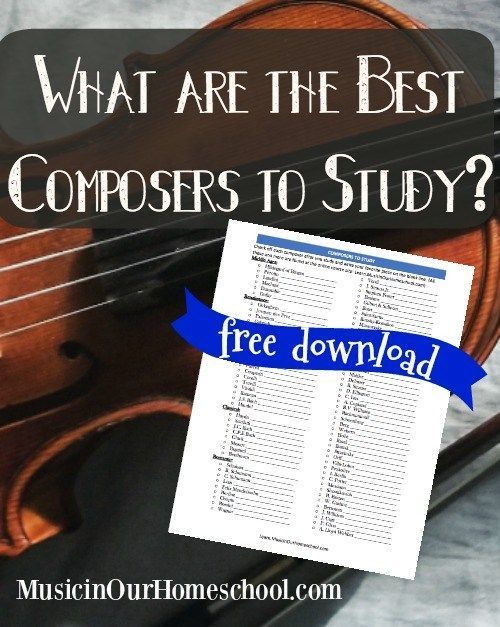
Panel Discussion: The Importance of Composer Study in Alternative Education
As alternative schooling and education become more popular, it’s important to examine the different ways that we can incorporate traditional subjects like music into our curriculum. One way to do this is through composer study, where students learn about the lives and works of classical composers. To explore this topic further, we’ve gathered a panel of experts to discuss the importance of composer study in alternative education.
Moderator: Thank you all for joining us today. Let’s start with a basic question – why is composer study important?
Expert 1: I think composer study is important because it exposes students to great works of art. Music has been an essential part of human culture for centuries, and studying classical composers allows us to appreciate their contributions to our shared cultural heritage.
Expert 2: Additionally, I think studying classical music helps develop critical thinking skills. Students are challenged to analyze complex pieces of music and understand the historical context in which they were created.
Moderator: Those are some great points! Now let’s talk specifically about how composer study fits into alternative education models. How can we use this approach in non-traditional classrooms?
Expert 3: Well, one way would be to incorporate music into interdisciplinary projects or units. For example, if you’re teaching about the Renaissance period in history class, you could also have students learn about famous composers from that time period and perform some of their music.
Expert 4: Another approach would be to use technology as a tool for learning about composers – there are many online resources available that allow students to listen to recordings or watch videos about their lives and work.
Moderator: That’s interesting – so it sounds like there are many different ways that we can use composer study in alternative education settings. Are there any specific benefits you’ve seen from using this approach with your own students?
Expert 5: Yes! One benefit I’ve noticed is that students become more engaged in music class when they’re learning about the lives of composers. They start to see classical music as something that’s relevant to their own lives and experiences.
Expert 6: I’ve also seen an improvement in students’ writing skills when they’re asked to analyze a piece of music or write a research paper about a composer. It helps them develop their ability to articulate complex ideas in clear language.
Moderator: Those are great insights! Let’s talk now about some practical tips for implementing composer study in alternative education settings. What are some things teachers should keep in mind?
Expert 1: One thing to keep in mind is that you don’t have to be an expert on classical music yourself – there are many resources available online that can help you learn along with your students.
Expert 2: Additionally, it’s important to make sure you’re choosing composers who represent diverse backgrounds and perspectives. This helps ensure that all students feel represented and included.
Expert 3: And finally, try to make the lessons interactive and hands-on whenever possible. For example, you could have students create their own compositions inspired by the work of a particular composer.
Moderator: Those are great tips! As we wrap up this discussion, do any of our panelists have final thoughts on why composer study is such an important part of alternative education?
Expert 4: I would just say that studying classical music can be transformative for students – it opens up new ways of thinking about the world around them and inspires creativity and curiosity.
Expert 5: And from my experience, incorporating composer study into alternative education models helps promote well-rounded learning experiences for all types of learners.
Moderator: Thank you all so much for sharing your expertise today! We hope this discussion has been helpful for those looking to incorporate more music into their classrooms through composer study.
 Alternative Amie
Leave a comment