Language Policy and Planning: Understanding the Importance for Alternative Schooling and Education
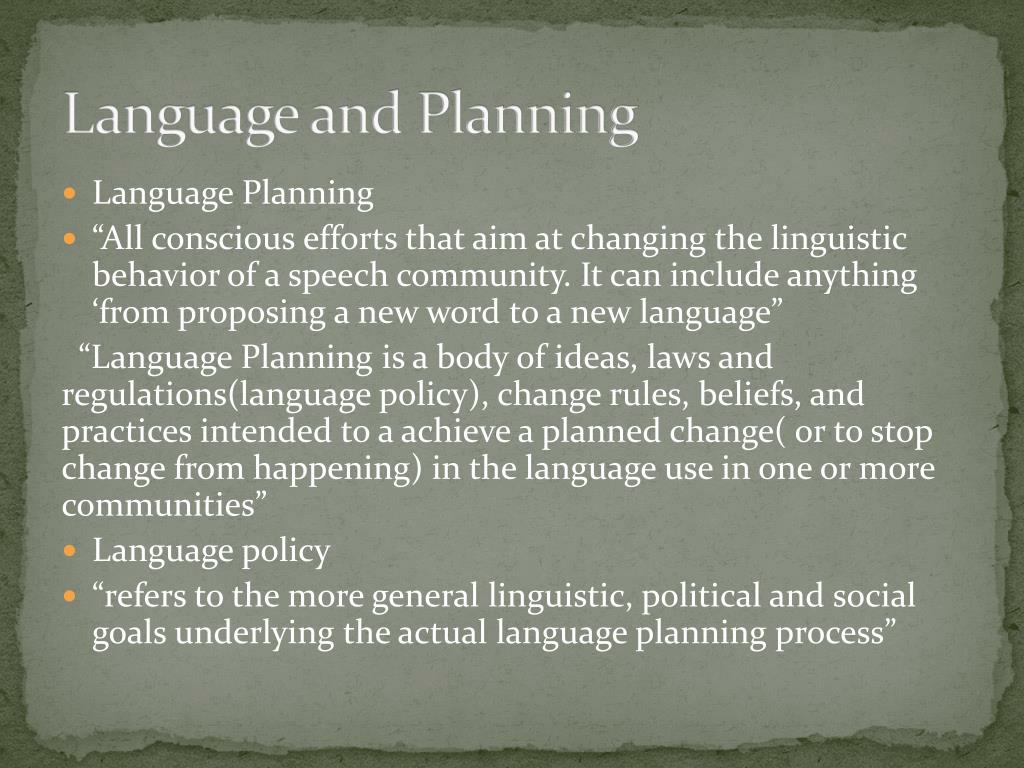
Language policy and planning (LPP) is a critical aspect of education, particularly in alternative schooling and educational systems. It refers to the deliberate efforts made by governments, institutions, or communities to regulate language use within their spheres of influence. The goal of LPP is to maximize communication effectiveness while promoting linguistic diversity.
In this post, we will explore the importance of LPP in alternative schooling and education, including its benefits, challenges, strategies for implementation, and examples from around the world.
Benefits of Language Policy and Planning
1. Ensures Equity in Education
One significant benefit of LPP is that it promotes equity in education by ensuring that all students have access to quality instruction regardless of their language background. Through policies that promote multilingualism or bilingualism as a means of instruction in diverse settings such as alternative schools where students come from different backgrounds with varying levels of proficiency in English or other languages; learners are given equal opportunities for academic success.
2. Preserves Linguistic Diversity
Another advantage of LPP is that it preserves linguistic diversity among learners by recognizing minority languages spoken within communities where these schools are located. By acknowledging these unique cultural identities through appropriate policies like translation services or bilingual programs; they can feel more included which encourages them to participate actively.
3. Enhances Communication Skills
LPP also plays a crucial role in enhancing communication skills both inside and outside school settings since it allows individuals who speak different languages to interact effectively without being hindered by language barriers which can result in misunderstandings.
Challenges Facing Language Policy and Planning
Despite its numerous advantages, implementing effective LPP can be challenging due to various factors such as:
1. Political Interference
Political interference has been identified as one major obstacle facing successful implementation because politicians may intervene with policy creation based on personal interests rather than evidence-based research aimed at improving student outcomes.
2. Limited Resources
Limited resources in terms of funding and skilled personnel can hinder the successful implementation of LPP. Without adequate resources, schools may struggle to provide appropriate language support services or training for teachers.
3. Resistance to Change
Resistance to change is another challenge that can negatively impact the success of LPP. Some educators and parents may be hesitant about accepting new policies, particularly when they are perceived as a threat to their culture or language identity.
Strategies for Implementing Effective Language Policy and Planning
To ensure effective implementation of LPP, some strategies can be adopted:
1. Consultation with Stakeholders
Stakeholder consultation should be prioritized in policy formulation since it promotes ownership and buy-in from those who will implement them like teachers, parents, students, language experts among others.
2. Adequate Funding
Adequate funding should also be put in place to enable schools to hire trained language instructors or purchase materials needed for instruction.
3. Teacher Training
Teacher training programs aimed at improving their skills in teaching non-native speakers should be implemented regularly so that they can adequately cater for linguistically diverse learners which encourages student participation.
Examples of Language Policy and Planning Around the World
1. Canada
Canada has an official bilingualism policy where English and French enjoy equal status as national languages; this means that both languages must be used on all federal documents such as passports or banknotes while education systems have French immersion programs designed specifically for English-speaking students who want to learn French while attending school full time.
2. Israel
Israel has a unique linguistic situation whereby Hebrew serves not only as the national language but also as a lingua franca employed by Jews from different countries who speak different mother tongues (Yiddish, Ladino). As such, Arabic is recognized as an official second language with its use permitted across various government agencies while Jewish Israelis still attend Hebrew-language-only schools; Arab-Israelis study Arabic alongside Hebrew during elementary school as required by law.
3. Singapore
Singapore’s language policy, known as the “Speak Mandarin Campaign,” aims to promote Mandarin for Chinese Singaporeans while promoting English proficiency among all citizens since it is an official language of the country. The campaign provides additional resources like bilingual television programs and literature in both languages which improves communication skills among learners.
Conclusion
In conclusion, Language Policy and Planning is crucial in alternative schooling and education settings because it promotes equity in education while also preserving linguistic diversity among students. However, its effective implementation requires adequate funding, stakeholder consultation, teacher training programs amongst other strategies that enhance student participation through effective communication. The examples shared above show how LPP has been successfully implemented around the world to benefit learners from different cultures or backgrounds.
 Alternative Amie
Leave a comment