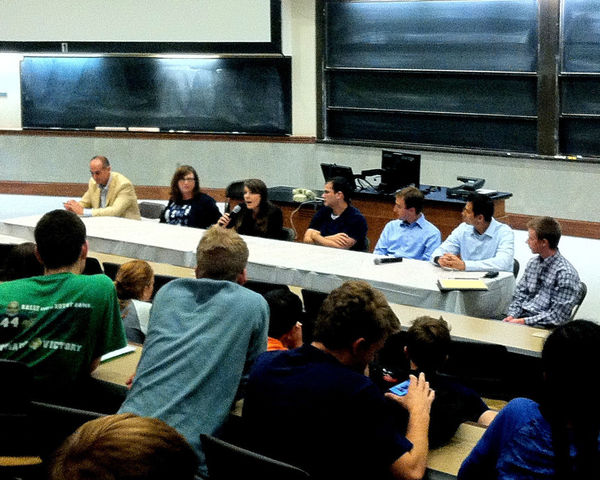
Panel Discussion: Mathematics Education
Mathematics education is a critical aspect of schooling and plays an essential role in the development of students’ problem-solving skills. The subject has been a topic of concern for many years, with educators, policymakers, and parents alike raising questions about its effectiveness. In this panel discussion, we will explore different perspectives on how mathematics education can be improved to better meet the needs of today’s learners.
Panellist 1 – Dr Jane Smith
Dr Jane Smith is a professor at XYZ University and has been involved in mathematics education research for over two decades.
Dr Smith believes that mathematics education needs to focus more on real-world applications rather than just theory. She argues that students are more likely to engage with math if they can see how it applies to their lives outside of school.
“Mathematics is all around us,” says Dr Smith. “We need to show students how it connects to the world they live in.”
Panellist 2 – Mr David Jones
Mr David Jones is a high school math teacher with over ten years’ experience teaching various grades.
Mr Jones thinks that greater emphasis should be placed on developing students’ foundational skills before moving onto more advanced topics.
“Students often struggle with math because they lack basic skills like multiplication tables or fractions,” he explains. “If we don’t address these gaps early on, it becomes much harder for them to progress.”
Panellist 3 – Ms Sarah Lee
Ms Sarah Lee is a parent who became concerned about her child’s struggles with math and began advocating for change within her local school district.
Ms Lee believes that teachers need more support from administrators and policymakers when it comes to teaching math effectively.
“There’s too much focus on standardized testing and not enough support for teachers,” she says. “We need policies that prioritize effective teaching methods rather than just test scores.”
In conclusion, there are many ways in which mathematics education can be improved. From connecting math to real-world applications to focusing on foundational skills and supporting teachers, there are many avenues to explore. By working together, educators, policymakers, parents, and students can create a more effective and engaging mathematics education system that benefits everyone.
 Alternative Amie
Leave a comment