Gamification in Education: A Memoir
As a writer and journalist, I’ve seen firsthand how the world of education has evolved over the years. One particular trend that stands out to me is gamification – the use of game-like elements in non-game contexts, such as education.
I first encountered gamification when I was covering a story on an alternative school that used games to teach its students. At first, I was skeptical. How could playing games possibly be effective for learning? But after observing classes and talking with both teachers and students, I began to see the benefits.
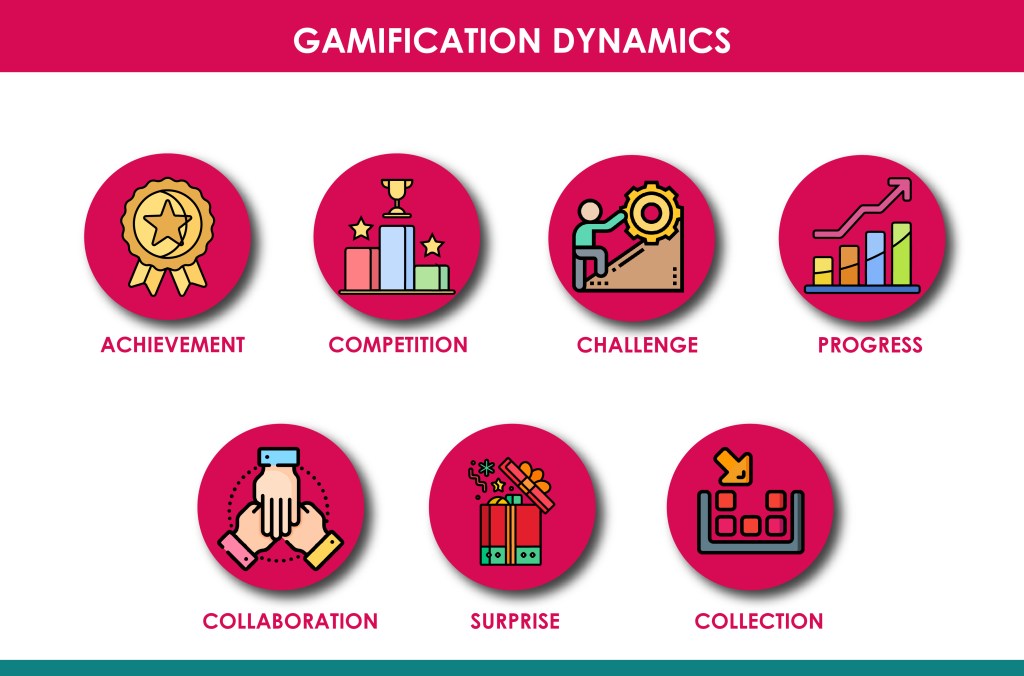
One major advantage is increased engagement. When you’re playing a game, you’re motivated by the desire to win or progress through levels. The same goes for learning – if you can make it feel like a game, students are more likely to stay focused and invested in their work.
This approach also allows for personalized learning paths. By incorporating choices into lessons (such as choosing which path your avatar takes), students can tailor their educational experience based on their strengths and weaknesses.
But it’s not just about making learning more fun – there are cognitive benefits as well. Games often require problem-solving skills, critical thinking, and decision-making abilities – all valuable skills in any subject area.
Of course, there are challenges to using gamification effectively in education. It requires careful planning and execution from educators who may not have experience with game design or technology integration.
Overall though, my experiences with gamification have been positive ones. It’s exciting to see how this approach can transform traditional classroom settings into dynamic learning environments where everyone has an opportunity to succeed.
 Alternative Amie
Leave a comment