Homeschooling Co-op Models
Homeschooling is a growing movement that has gained momentum in recent years. Parents looking for alternative schooling options for their children have turned to homeschooling as a viable option. However, homeschooling can be challenging and isolating for both parents and children. As a result, many families have turned to homeschool co-ops.
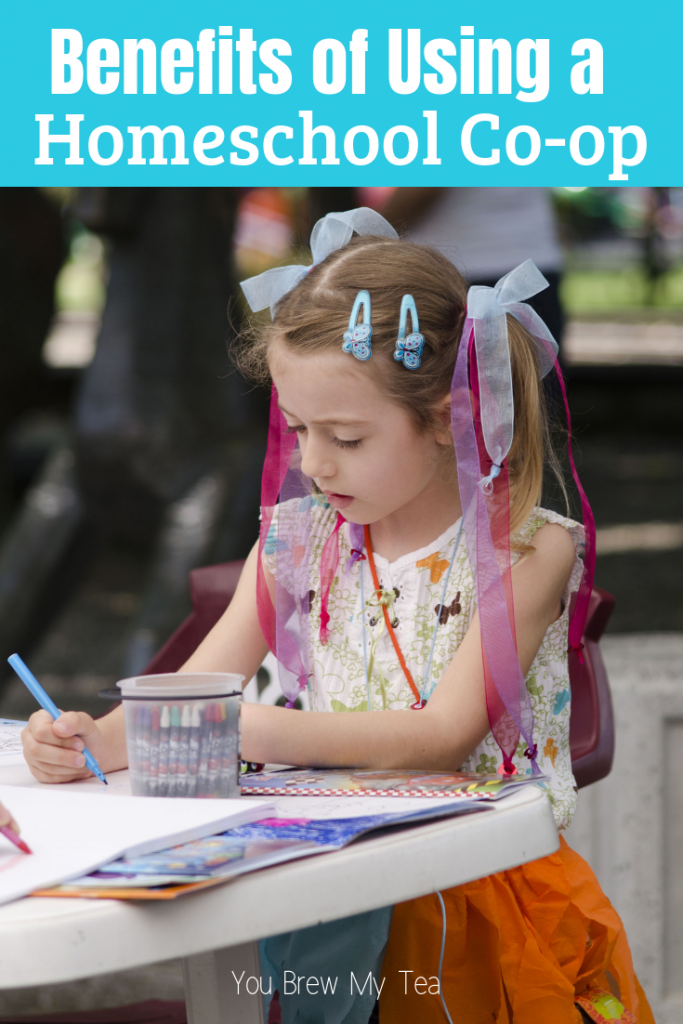
A homeschool co-op is a group of homeschooling families who come together to share resources, knowledge, and skills. This cooperative approach allows parents to pool their strengths and expertise while providing students with socialization opportunities outside the confines of their homes.
There are several types of co-op models that parents can choose from depending on their needs:
1. Academic Co-ops
Academic co-ops provide structured classes taught by experienced teachers or parent volunteers who specialize in specific subjects such as math, science, history or literature. These classes are usually held once or twice per week at a central location like a church or community center.
In an academic co-op setting, students attend classes together with other homeschooled students of similar age groups and grade levels. This format allows them to receive instruction from subject matter experts while also interacting with peers in a classroom-like environment.
2. Enrichment Co-ops
Enrichment co-ops offer extracurricular activities such as art classes, music lessons, drama productions or physical education programs that may not be available within the traditional home environment due to lack of time or resources.
These types of programs allow students to explore interests beyond the core curriculum offered through textbooks and online resources. They also provide opportunities for social interaction among peers who share similar interests.
3. Service Learning Co-Ops
Service learning co-ops emphasize community service projects as part of the educational experience for students involved in the program.
In this type of model, parents work together with local organizations like food banks, animal shelters or nursing homes to identify needs and opportunities for service. Students then participate in these projects, gaining hands-on experience while also contributing to the community.
4. Hybrid Co-Ops
Hybrid co-ops combine aspects of academic, enrichment and service learning models into a flexible format that can be tailored to meet the needs of individual families.
In a hybrid co-op setting, parents work together to design a program that meets their specific educational goals for their children. This may include hiring outside instructors or using online resources to supplement instruction provided by parent volunteers.
Regardless of which model is chosen, homeschool co-ops offer several advantages over traditional homeschooling:
1. Shared Resources: Homeschooling can be expensive when it comes to buying textbooks, materials and supplies needed for each subject area taught at home. Homeschool co-ops allow families to share resources like textbooks, lab equipment or musical instruments which reduces costs while providing access to more resources than would otherwise be available.
2. Socialization Opportunities: One of the biggest concerns parents have about homeschooling is that their children will miss out on social interaction with peers. Homeschool co-ops provide opportunities for students to interact with other homeschooled students in structured settings where they can develop friendships based on common interests.
3. Mentorship: In a homeschool co-op environment, experienced teachers or volunteer parents who specialize in certain subjects can provide mentorship and guidance as students learn new material.
4. Accountability: Co-op settings provide an additional layer of accountability beyond what exists within a traditional homeschool environment because both parents and students are held accountable not only by themselves but also by the larger group they are part of.
Homeschooling requires commitment from both parents and students alike but joining a homeschool co-op makes it easier by providing structure, support and socialization opportunities that are critical components of any child’s education.
In conclusion, there are different types of homeschooling co-ops available depending on your family’s preferences and goals. Academic, enrichment, service learning, and hybrid co-ops are all viable options that allow families to share resources, provide socialization opportunities for their children, gain mentorship and accountability while also reducing costs associated with homeschooling. Overall homeschool co-ops can be a great way for students to receive the benefits of traditional education within a supportive community-based setting.
 Alternative Amie
Leave a comment