Adaptive Learning: The Future of Education
Education has undergone radical transformations over the years, and with the emergence of technology, it is set to experience even more changes. One of such innovations in education that have come up recently is adaptive learning. Adaptive learning involves using technology to provide personalized content and instruction based on an individual student’s needs and abilities.
The use of technology in classrooms has already proven beneficial as it enables students to learn at their own pace while freeing up teachers’ time for other tasks. However, standard computer-based instruction can only go so far since every student has unique learning needs. This is where adaptive learning comes in.
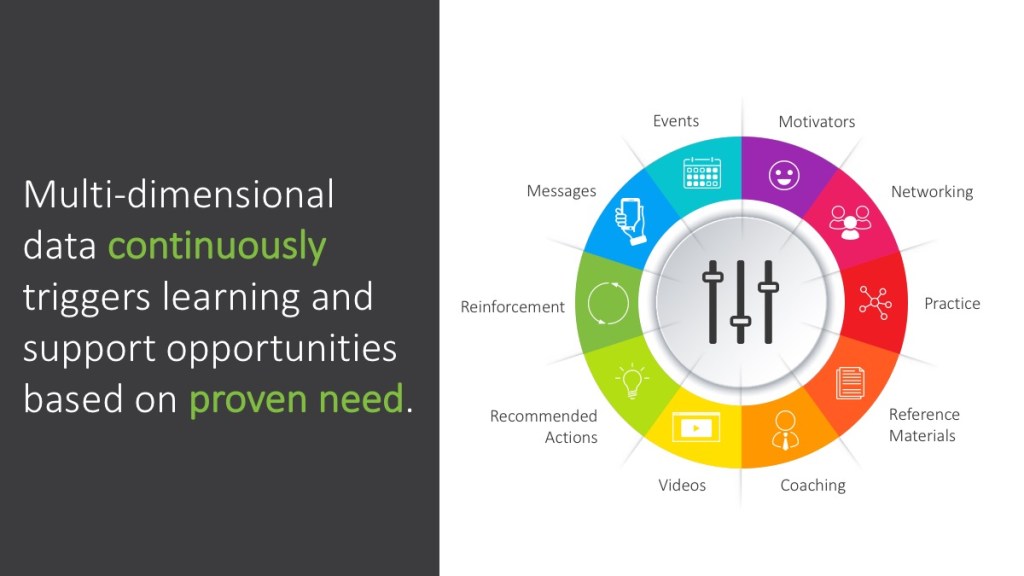
Adaptive learning primarily relies on algorithms that analyze a student’s performance data to determine their strengths and weaknesses. This ensures that each student receives individualized attention and targeted support when they need it most.
One significant advantage of adaptive learning is its ability to cater to different types of learners. For instance, some students may prefer visual aids while others learn best through hands-on activities or written exercises. With adaptive learning, instructors can select materials tailored explicitly for each learner’s preferred style, which increases engagement levels.
Another benefit associated with adaptive learning is its ability to detect gaps in knowledge early on, which helps prevent future problems during advanced coursework or standardized tests like the SATs or ACTs. By identifying weak areas early enough, students can receive additional resources or remedial sessions before entering higher-level courses where they will be expected to master more complex concepts.
Adaptive Learning also offers flexibility as it allows students who are struggling with certain subjects more time to work through them without feeling rushed or left behind by their peers who might understand those concepts better than they do. Additionally, since lessons are personalized according to a student’s understanding level rather than a one-size-fits-all approach, this means that there’s no limit as how fast one moves through material; therefore providing motivation towards personal progress.
Moreover, Adaptive Learning can be applied in various settings. For instance, it can be used to support students who are struggling with specific subjects and require additional help outside of the traditional classroom setting. This could include online tutoring or access to supplementary materials that are tailored to their individual needs.
Adaptive Learning also has a significant potential impact on special education by providing personalized instruction for students with disabilities such as autism, dyslexia, or ADHD. Since these conditions affect each person differently, adaptive learning technology can analyze a student’s performance data and tailor lesson plans accordingly.
Despite its many benefits, some people have raised concerns about the effectiveness of adaptive learning. Critics argue that relying solely on algorithms to determine a student’s progress may not provide an accurate assessment of their abilities since factors like motivation levels and emotional wellbeing cannot be quantified through data analysis.
Moreover, some critics fear that adaptive learning could lead to teachers being replaced by machines or computers, which would eliminate the human element necessary for quality instruction and care.
In conclusion, Adaptive Learning is an exciting innovation in education that offers numerous advantages over traditional teaching methods. Its ability to personalize content according to individual needs allows students greater flexibility while ensuring they receive relevant information at their own pace. It’s an excellent tool for teachers seeking more efficient ways of managing diverse classrooms with multiple learners’ needs; however, caution should still be exercised when adopting this technology as it’s not without limitations. Overall though – we believe Adaptive Learning has incredible promise towards improving educational outcomes across different settings and populations!
 Alternative Amie
Leave a comment