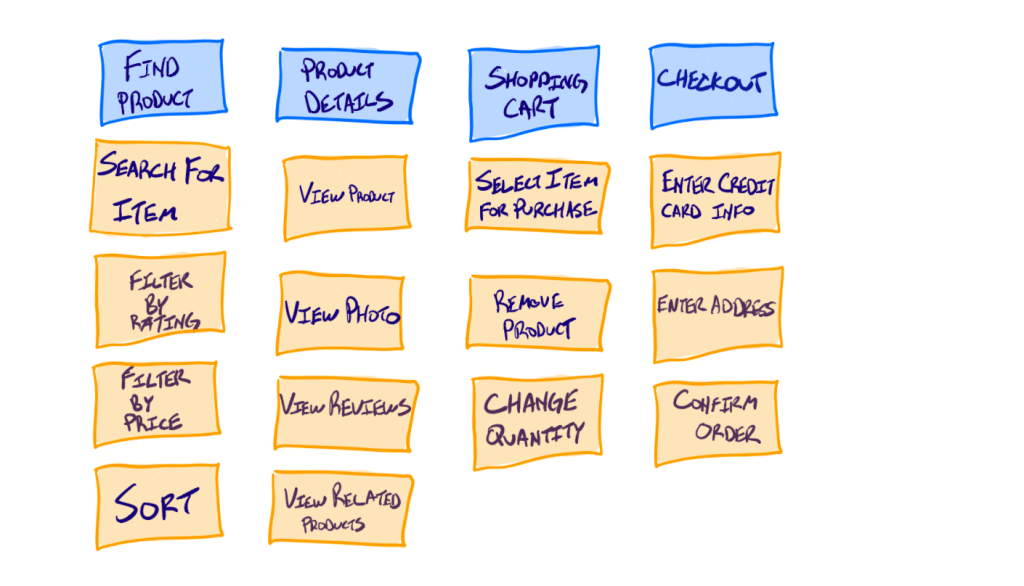
Story mapping is a technique that helps you visualize and organize the narrative of your story. It can be used in various areas, such as education, journalism, or fiction writing. In this post, we will explore different types of story mapping techniques that can help you communicate your ideas more effectively.
1. Linear Story Mapping:
Linear story maps follow a chronological order of events. This type of map works well for news articles or historical narratives where it is essential to understand the sequence of events. Start with the beginning of the story and move forward through each event until reaching the end.
2. Mind Mapping:
Mind maps are useful for generating new ideas and connections between them. They provide an overview of all possible angles and perspectives on a topic while also allowing for visualizing relationships between them.
3. Character Mapping:
Character maps help writers understand their characters’ motivations, desires, fears, strengths, and weaknesses by creating an overview of their backstory, personality traits, and relationships with other characters.
4. Plot Point Mapping:
This technique focuses on identifying key moments in a story’s plot structure to ensure they are compelling enough to engage readers or audiences throughout the narrative arc.
5. Scene-by-Scene Mapping:
This technique provides detailed information about every scene in your story from location to character movements within each one so that you can track how everything fits together over time while ensuring consistency throughout your work.
In conclusion, Story mapping techniques provide writers with valuable tools for organizing their thoughts into clear narratives that engage readers or audiences effectively. Whether working on educational materials or fictional stories alike – these techniques can be applied across different subjects to create engaging content worth sharing with others!
 Alternative Amie
Leave a comment