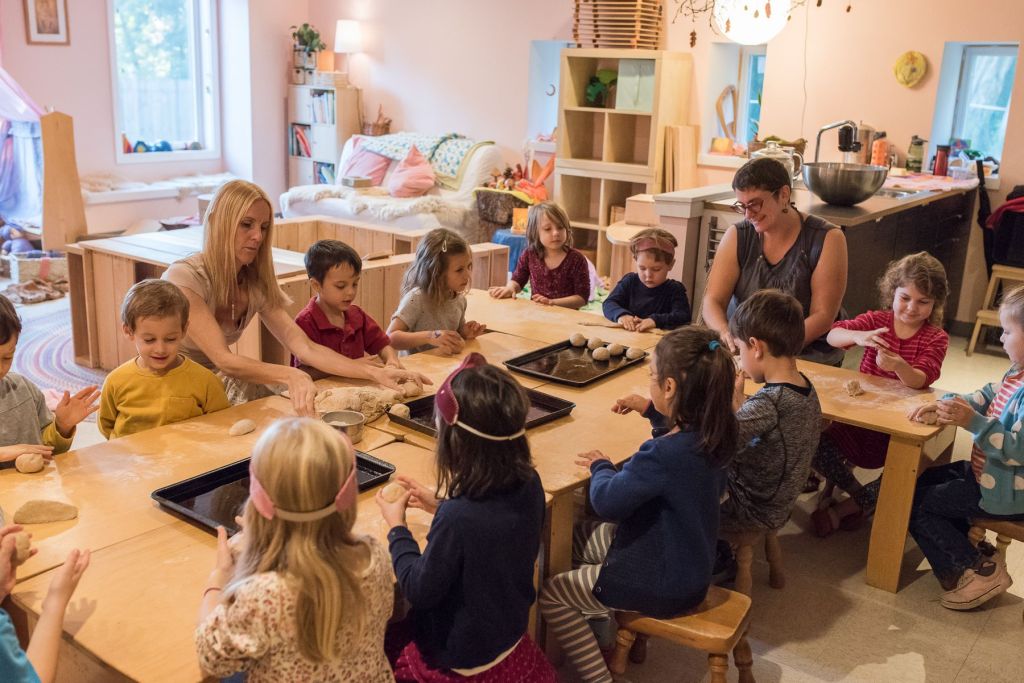
As someone who has been through the Waldorf education system, I cannot thank my parents enough for choosing this alternative form of schooling. The journey was unique and fulfilling, and it has made me who I am today.
Waldorf Education is a system of education that was developed by Rudolf Steiner in 1919. It emphasizes on creativity, imagination, and holistic development rather than the traditional emphasis on academic achievement alone. This style of learning focuses on nurturing students to become well-rounded individuals who can think critically and creatively while still having a solid foundation in academics.
One thing that stands out about Waldorf Education is its approach to teaching. Teachers are encouraged to take an interdisciplinary approach towards learning- subjects are taught in an integrated manner so that students can see how they relate to real life experiences. For example, instead of just teaching math as numbers on paper, lessons may include activities such as baking or counting objects in nature which help children understand how math relates to everyday life.
Another aspect of Waldorf Education that sets it apart from traditional schools is the focus on experiential learning. In other words, students learn by doing things themselves instead of just reading about them or listening to lectures. Hands-on activities are an essential part of this educational philosophy; whether it’s making crafts or performing plays, every activity aims at helping children explore their creativity and develop problem-solving skills.
The curriculum followed at Waldorf schools also differs significantly from conventional schools – particularly when it comes to technology use. Unlike most modern-day classrooms where technology is used daily for instruction purposes – be it for virtual field trips or research projects – there isn’t much emphasis placed upon technology usage within the classroom setting at a typical Waldorf school environment until later elementary years (around fourth-grade).
Instead, teachers encourage students’ natural curiosity through storytelling techniques, music lessons and art classes which help cultivate critical thinking skills along with emotional intelligence needed in adulthood lives ahead whilst keeping up with a solid academic foundation.
Waldorf Education also believes in developing the whole child – mind, body, and soul. Physical education is given as much importance as academics. Students are encouraged to participate in various activities such as gardening, dance classes, sports or other physical activities which help develop their motor skills and overall fitness levels.
The Waldorf approach to learning is not without its criticisms though. While some argue that this system of education may be too unconventional for certain students (such as those with special needs), there’s no denying that it has produced some notable alumni – including Steve Jobs who attended a Waldorf school himself and credited his creativity to his time spent within this alternative educational environment.
Another criticism levied against Waldorf schools is their lack of emphasis on standardized testing. Since the focus is more on holistic development rather than just academic prowess alone; there’s little emphasis placed upon grades or test scores at most Waldorf schools. However, proponents of this style of education argue that removing these tests helps alleviate pressure from students while still providing them with an excellent educational experience.
In conclusion, if you’re looking for an alternative form of schooling that prioritizes creativity over grades or academics alone, then Waldorf Education may be worth considering. With its interdisciplinary approach towards teaching and experiential learning techniques – along with the emphasis placed upon physical education- children can develop into well-rounded individuals who have both critical thinking skills and emotional intelligence needed for success in adulthood life ahead.
 Alternative Amie
Leave a comment