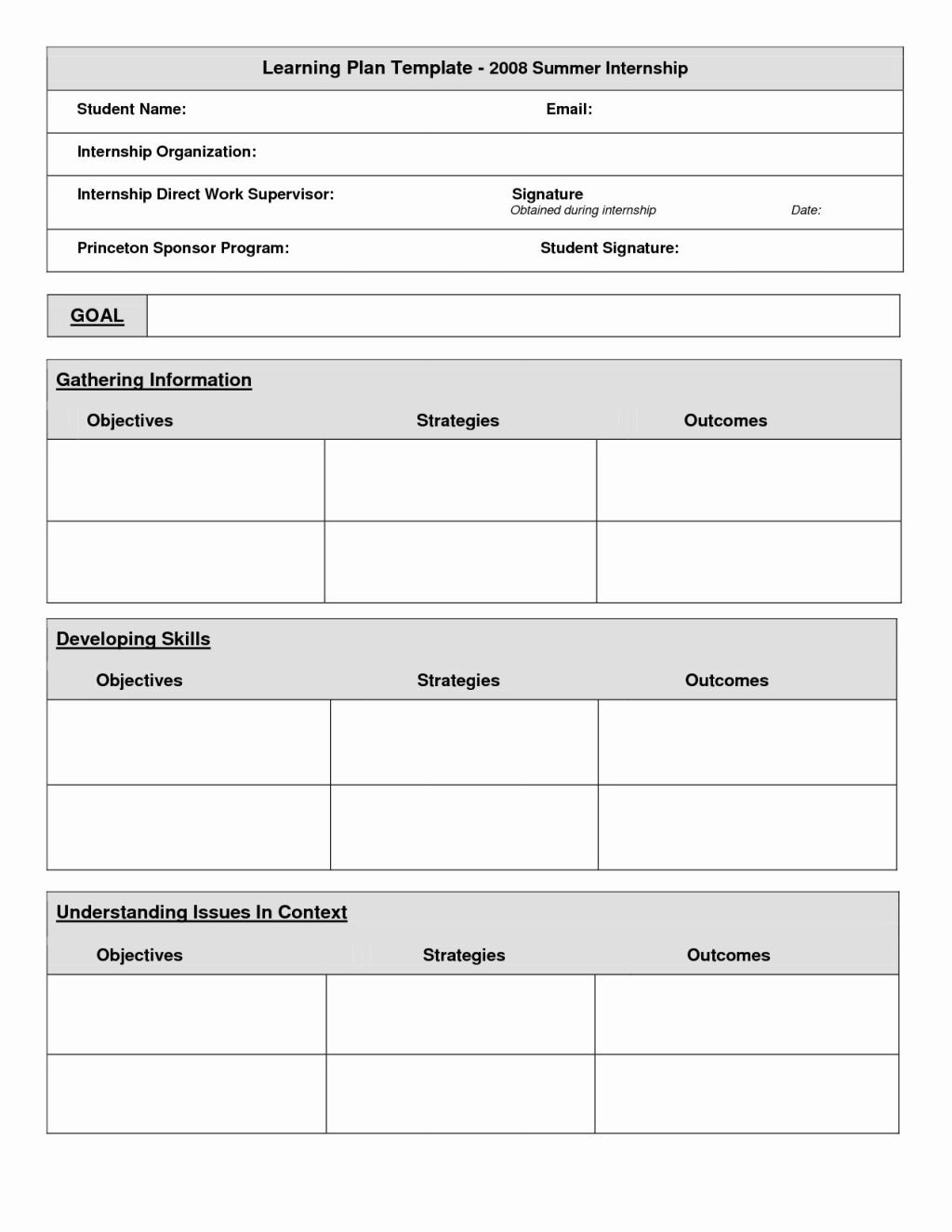
As our education systems continue to evolve, it is becoming increasingly clear that a more personalized approach to learning can be highly beneficial for students. This is where Individualized Learning Plans (ILPs) come in. An ILP is essentially a customized roadmap that outlines the educational goals and objectives of each student.
The primary purpose of an ILP is to help teachers identify the unique strengths and weaknesses of each student so they can tailor their teaching methods accordingly. By doing so, students are able to learn at their own pace and in a way that suits their individual needs. This results in higher levels of engagement, improved academic performance, and greater confidence among students.
One major benefit of ILPs is that they allow teachers to provide more targeted support to struggling learners. For example, if a student has difficulty with reading comprehension, the teacher may create an ILP that includes additional resources such as audio books or tutoring sessions. Similarly, advanced students can be given challenging assignments or opportunities for independent study through their ILPs.
Another advantage of using an ILP is that it encourages greater collaboration between teachers and parents/guardians. Parents are often encouraged to participate in developing their child’s plan by sharing information about their interests and skills outside of school hours which helps teachers create tailored plans designed based on individual needs.
Additionally, when used effectively within schools with multiple tracks or streams like virtual schools or alternative programs like homeschooling environments or self-directed learning centers; It allows administrators to track progress towards specific goals across all subjects over time better than traditional grading systems.. This makes it easier for educators at different grade levels who work with these individuals throughout the year since everyone will have access information needed around academic planning which reduces confusion while maintaining accountability
It’s worth noting that implementing effective ILPs requires significant effort on behalf both educators and learners alike – from initial assessment through ongoing monitoring – but the positive impact on student outcomes make this investment worthwhile.
In conclusion, Individualized Learning Plans can be a powerful tool for promoting student success and engagement. By providing students with tailored, personalized learning experiences, teachers are able to help each student reach their full potential. With the increasing adoption of ILPs in classrooms around the world, it is clear that this approach to education has great promise for improving outcomes among learners of all ages and backgrounds.
 Alternative Amie
Leave a comment